Rehabilitation Equipment
-
 2026-08-29
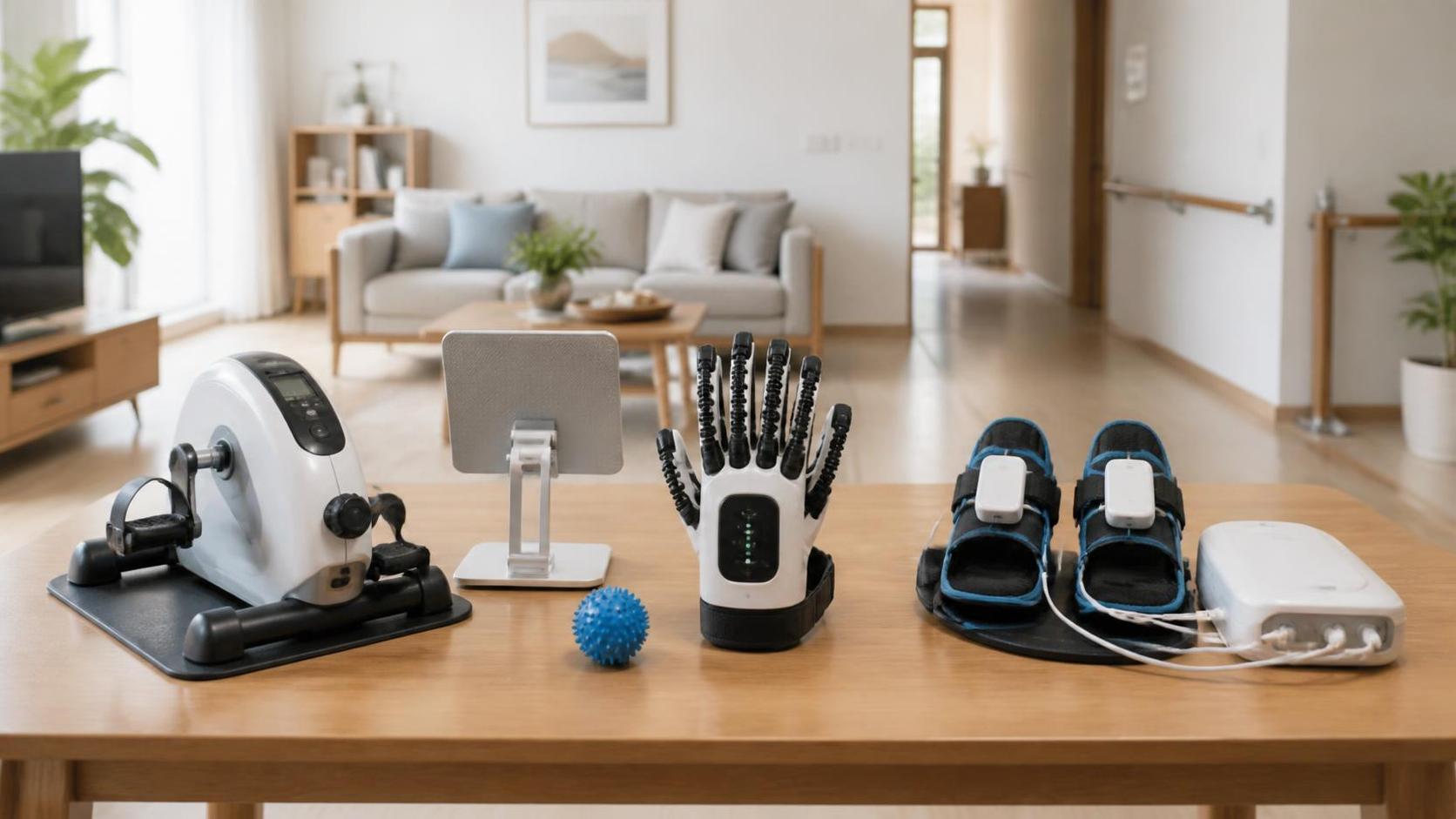
Which rehabilitation technology solutions fit home-based stroke recovery?
Rehabilitation technology solutions for home-based stroke recovery: compare safe, practical tools for mobility, hand function, telerehab, and daily progress.
-
 2026-07-23
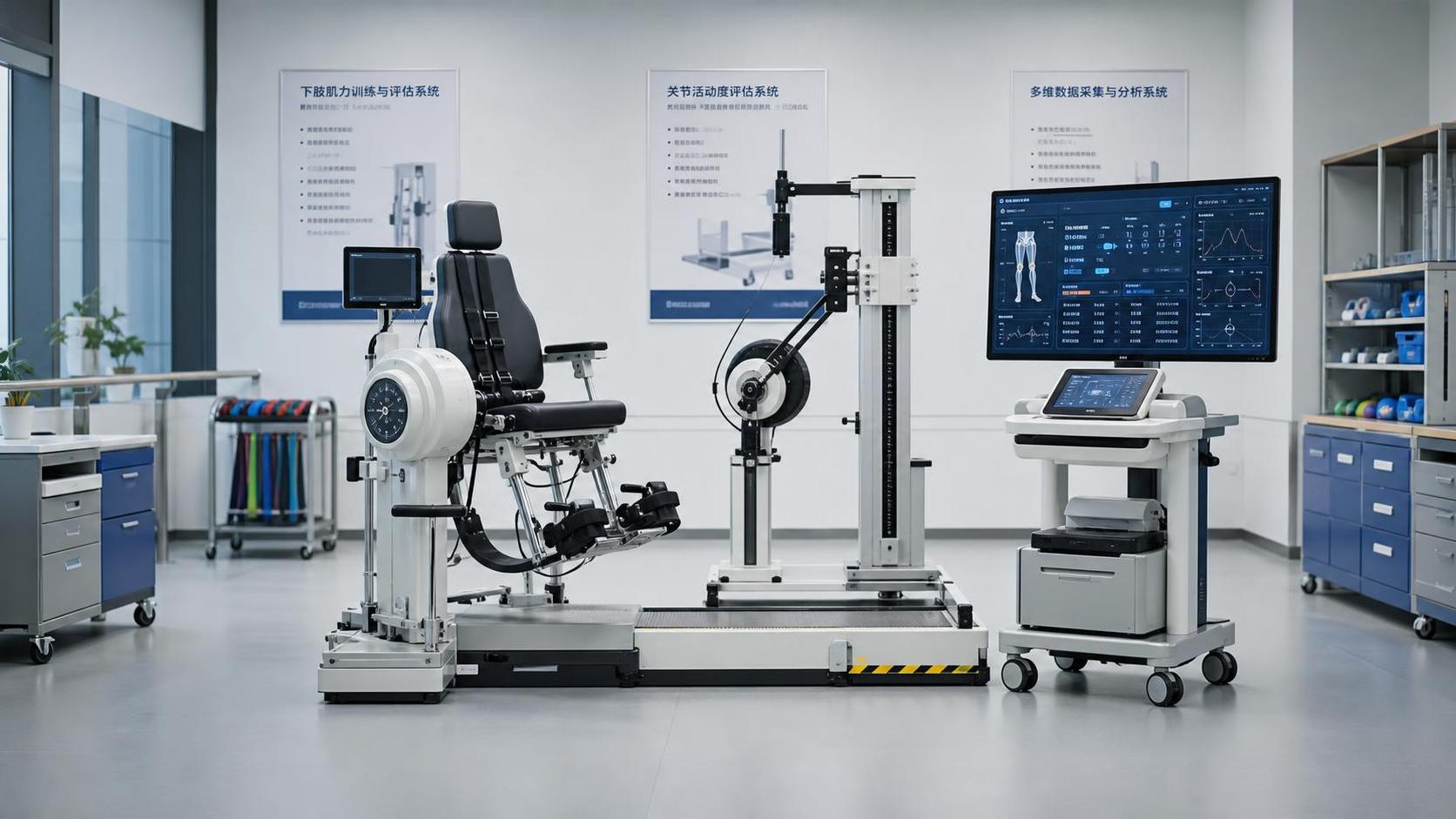
How to Evaluate Rehabilitation Devices for Musculoskeletal Recovery
Rehabilitation devices musculoskeletal teams choose should fit clinical goals, safety, durability, and workflow. Learn how to evaluate options wisely and reduce long-term procurement risk.
-
 2026-07-17
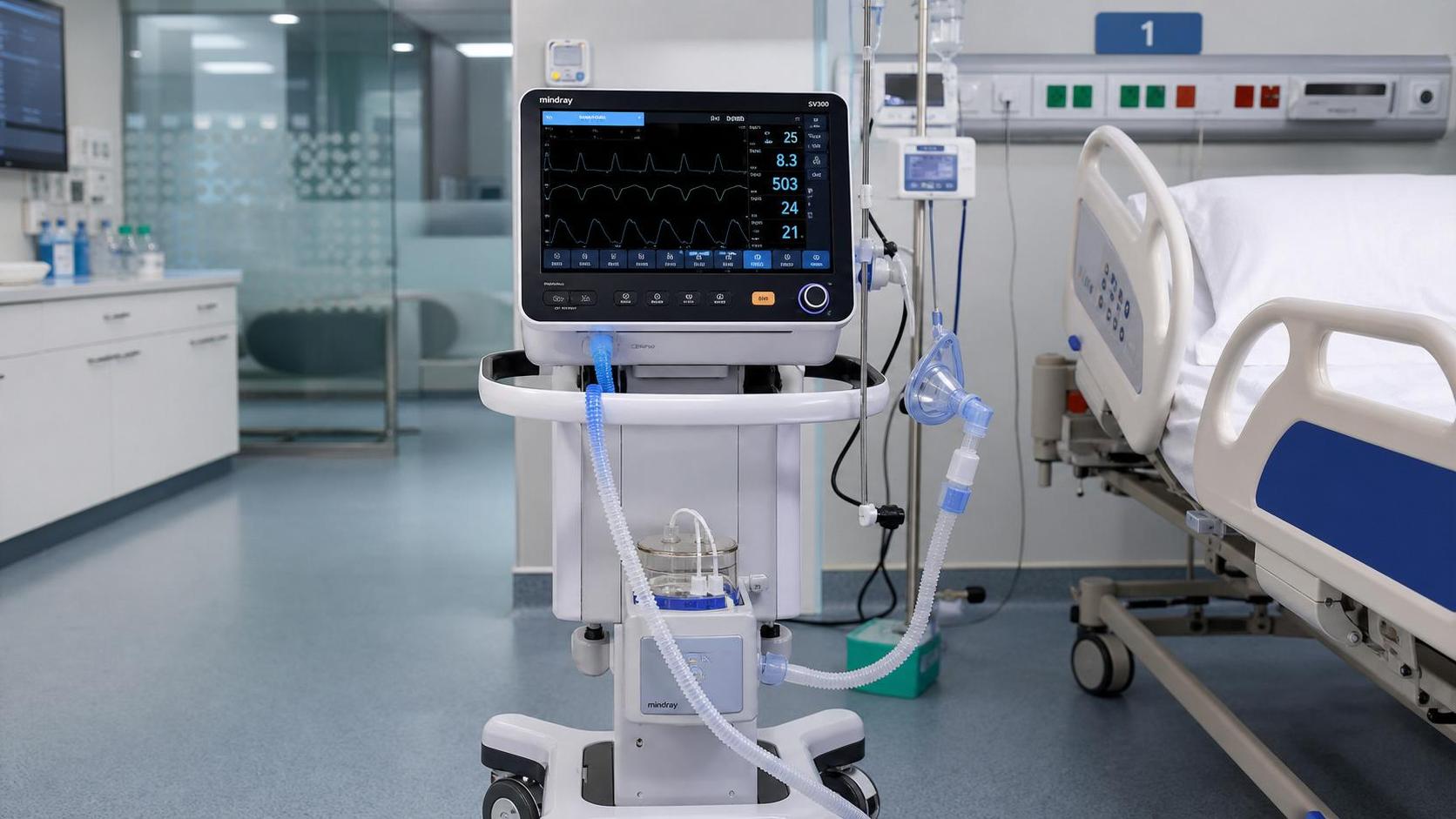
Noninvasive Ventilators: Key Features That Affect Comfort, Alarms, and Clinical Use
Noninvasive ventilators influence more than pressure delivery. Discover how comfort settings, alarm design, leak compensation, and usability shape safer care and better clinical performance.
-
 2026-07-16
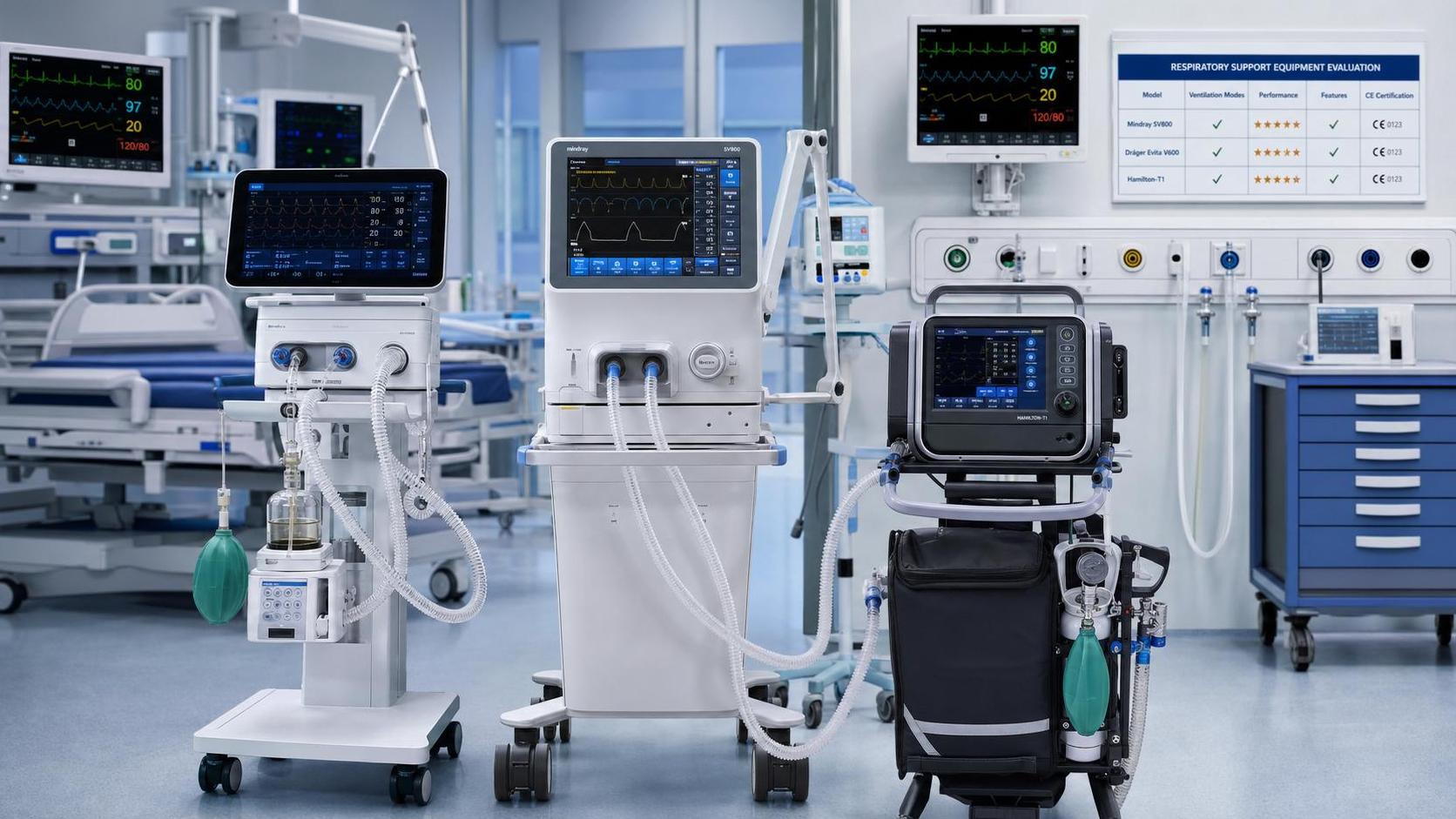
How to Compare CE-Certified Respiratory Support Systems by Clinical Use
Respiratory support systems CE certified should be compared by clinical use, alarms, workflow, service, and life-cycle cost. Discover a practical guide for smarter device selection.
-
 2026-07-16
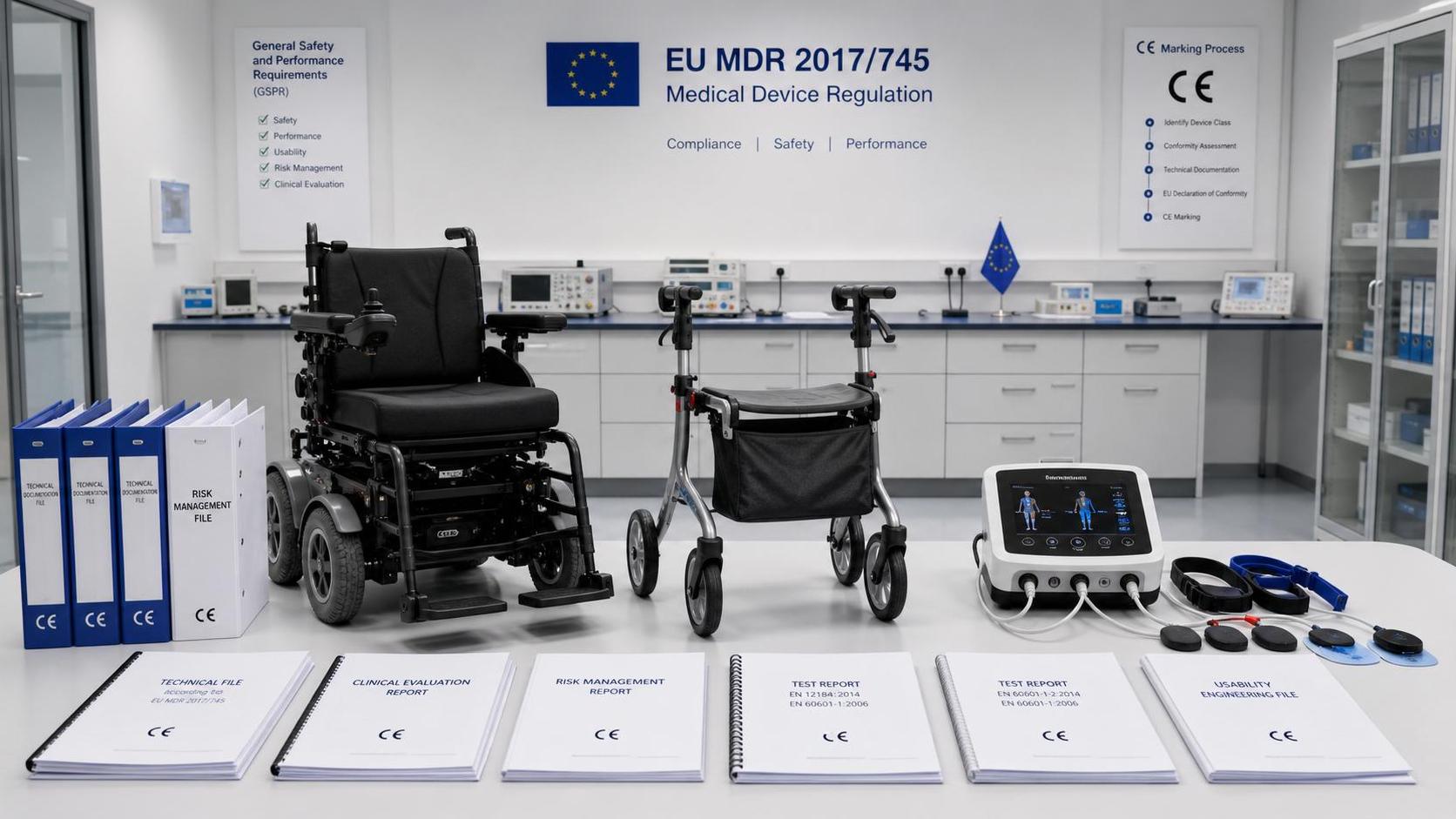
EU MDR Annex XVI Takes Effect for Rehab Devices
EU MDR Annex XVI now applies to rehab devices, moving electric wheelchairs and smart walking aids into Class IIa/IIb. See key CE, clinical evaluation, and PMPF impacts.
-
 2026-07-14
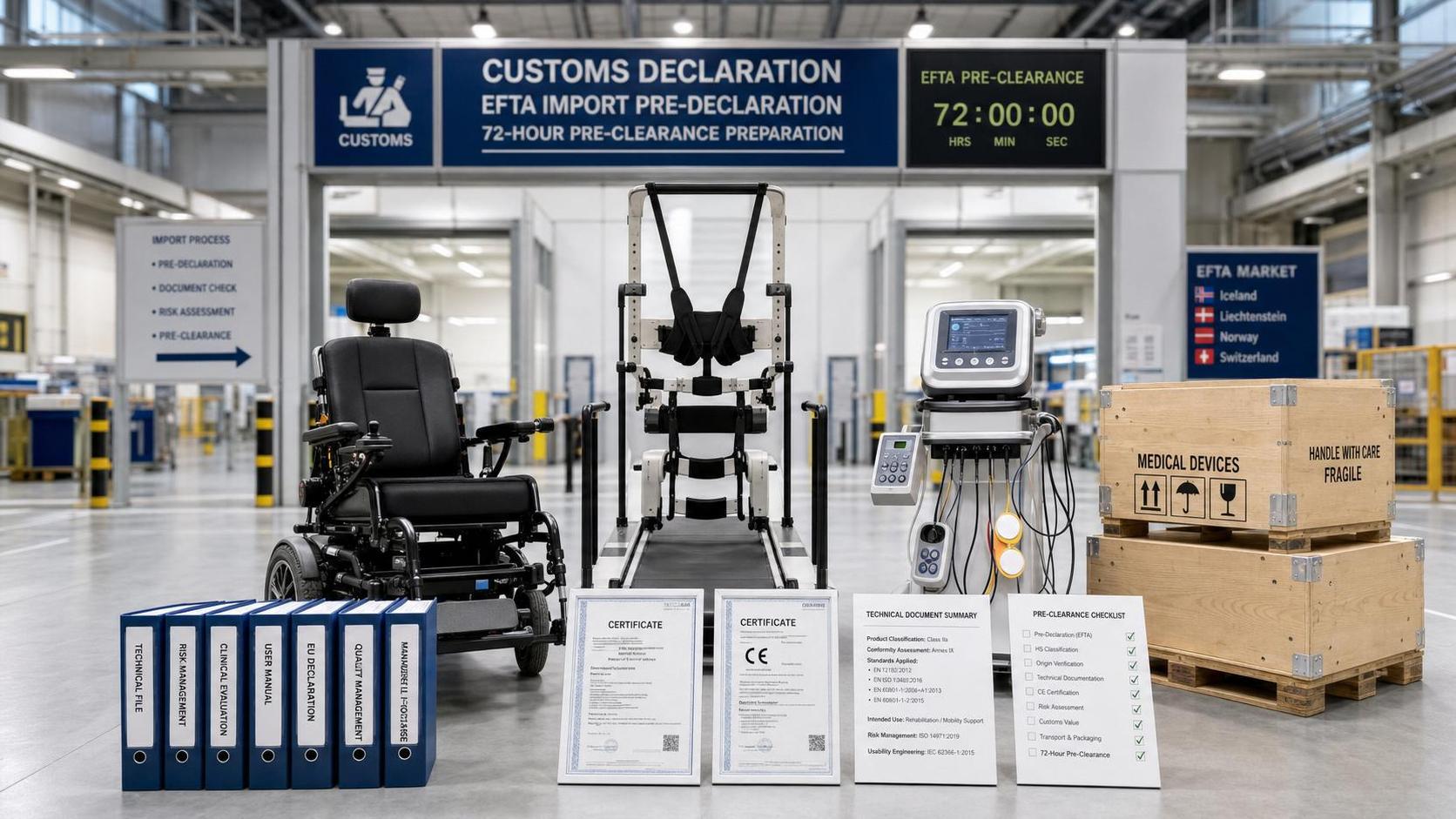
EFTA Sets Rehab Device Pre-Clearance Rule for July 15
EFTA sets a new rehab device pre-clearance rule from July 15, requiring 72-hour PCN filing. Learn how CE documents, contracts, and timing may affect EFTA market shipments.
-
 2026-07-13
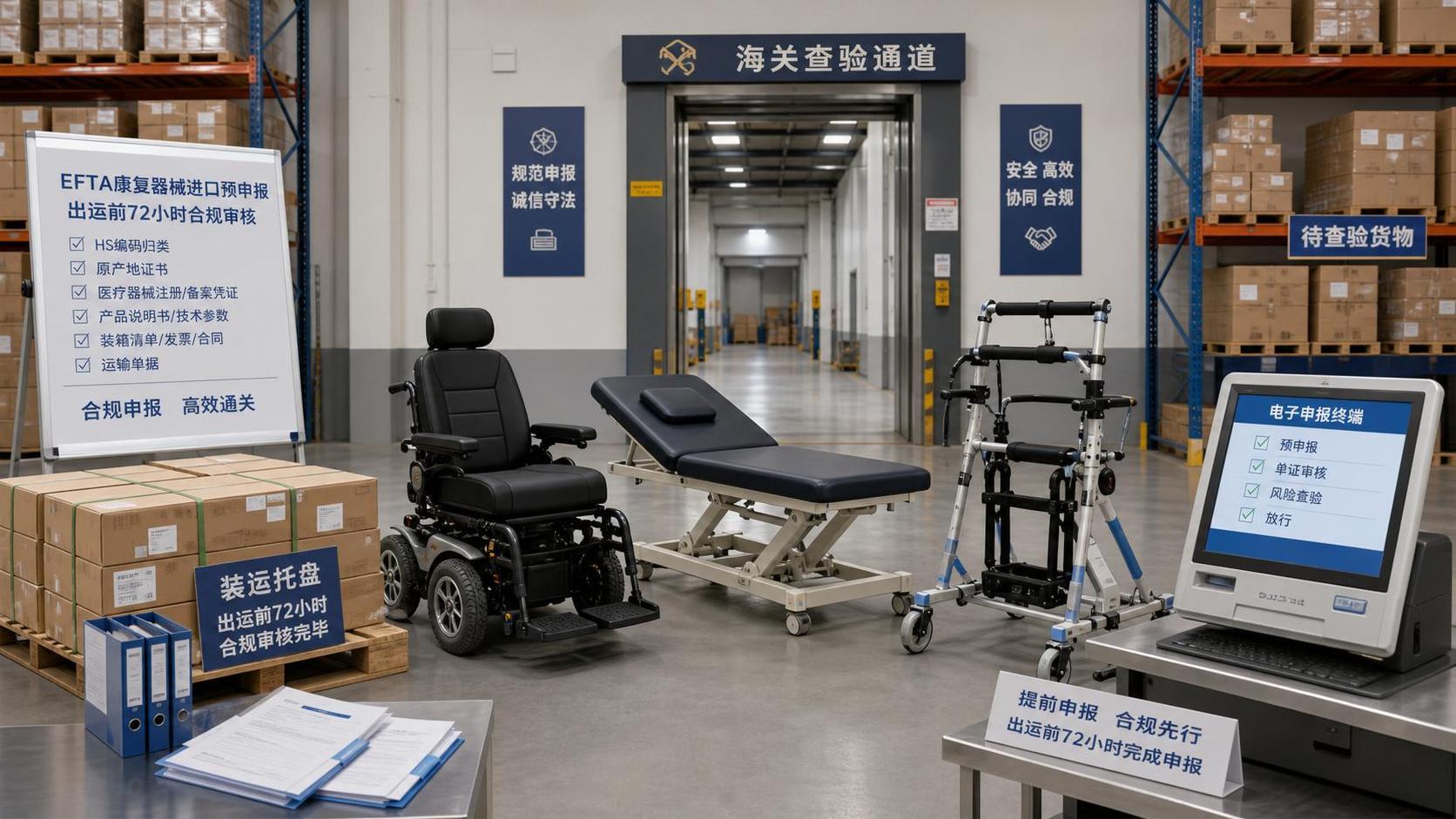
EFTA Adds Pre-Clearance Filing for Rehab Device Imports
EFTA adds pre-clearance filing for rehab device imports, requiring PCDS 72 hours before departure. Learn the new compliance steps, border risks, and how importers can avoid delays and storage costs.
-
 2026-07-12
Red Sea Disruption Extends Rehab Device Shipping Times
Red Sea disruption extends rehab device shipping times, pushing transit to 42–48 days and bookings at Shanghai and Ningbo to 14 days. See how distributors can protect Q3 supply plans.
-
 2026-07-11
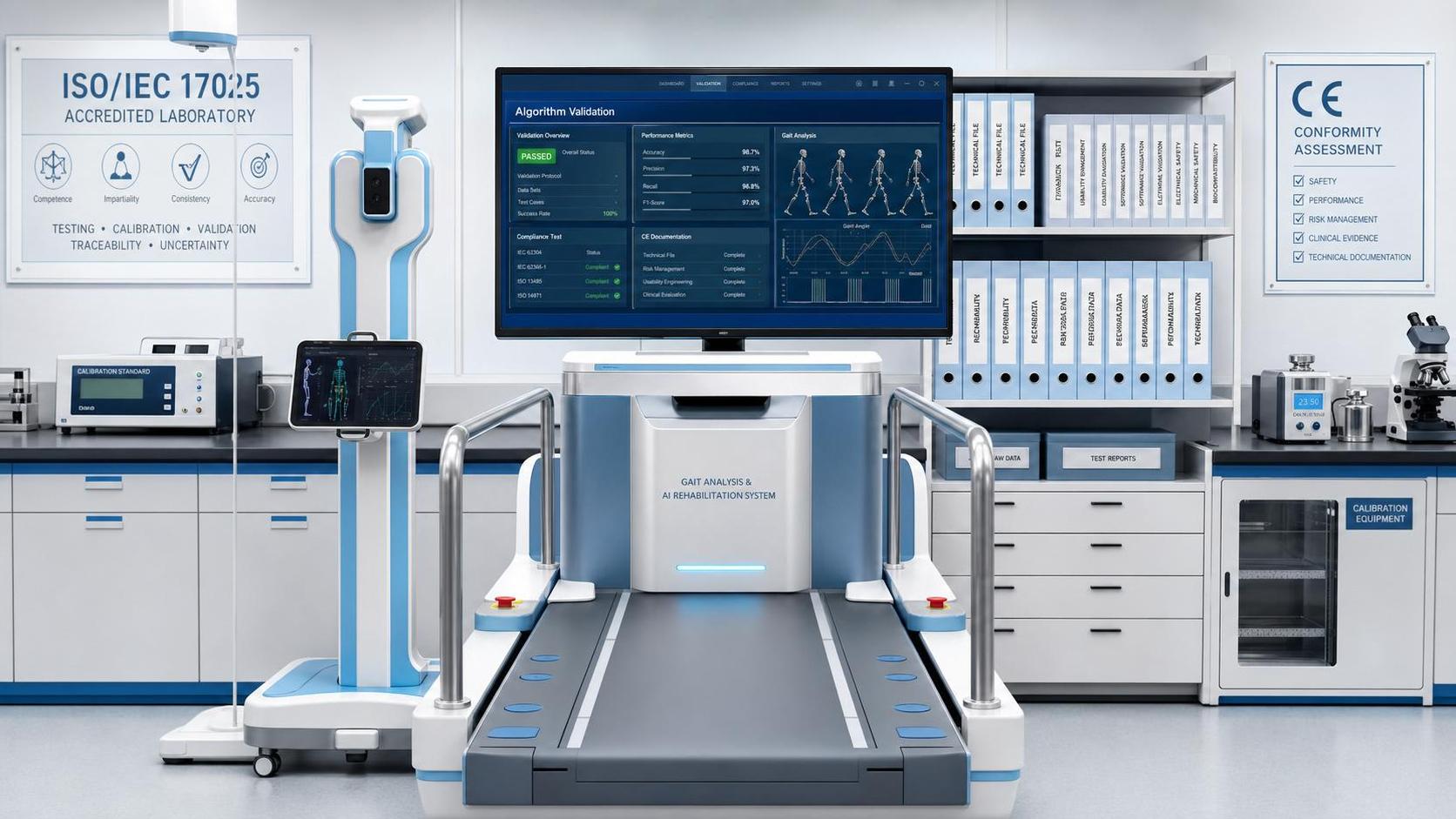
EU MDR Annex XVI Tightens AI Rehab Device Filings
EU MDR Annex XVI tightens AI rehab device filings from July 9, 2026. Learn new CE rules, ISO/IEC 17025 validation demands, and how to avoid delays in EU market access.
-
 2026-07-10
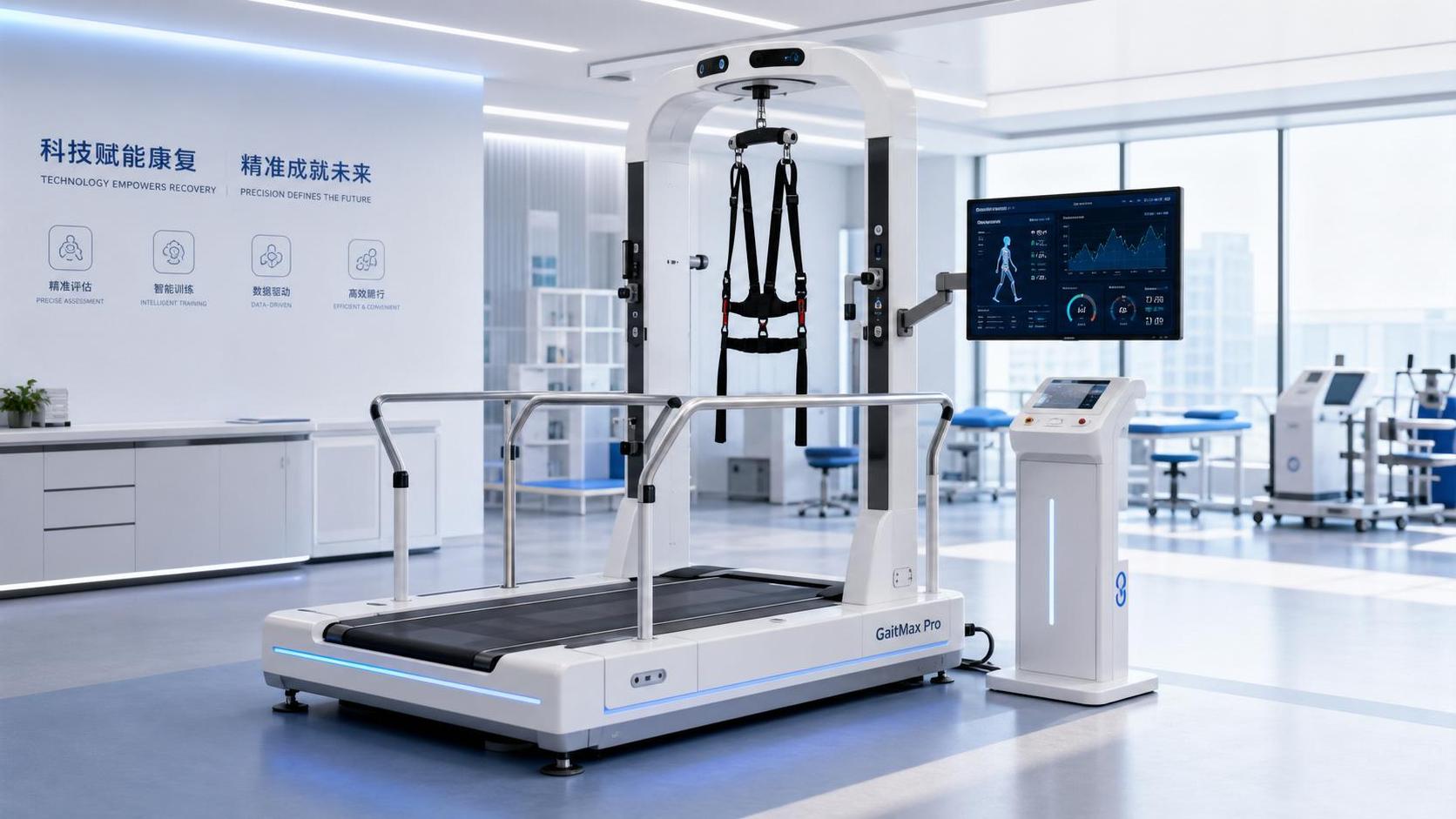
What to Check Before Choosing Digital Rehabilitation Equipment
Rehabilitation equipment digital buyers should review clinical fit, software stability, usability, data security, and lifecycle cost before investing. Discover the key checks for a smarter, lower-risk purchase.