IVD & Lab Instruments
-
 2026-09-12
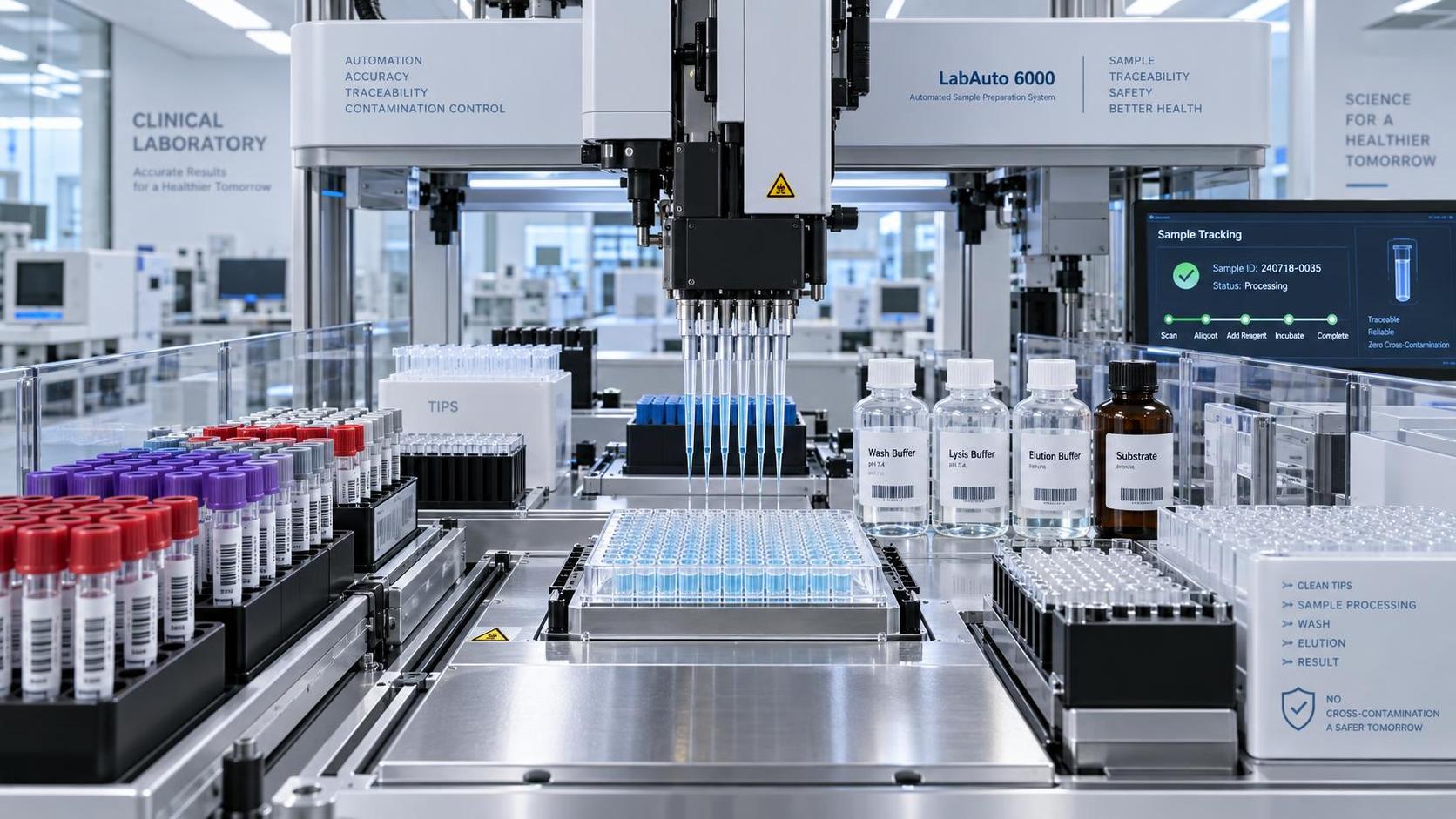
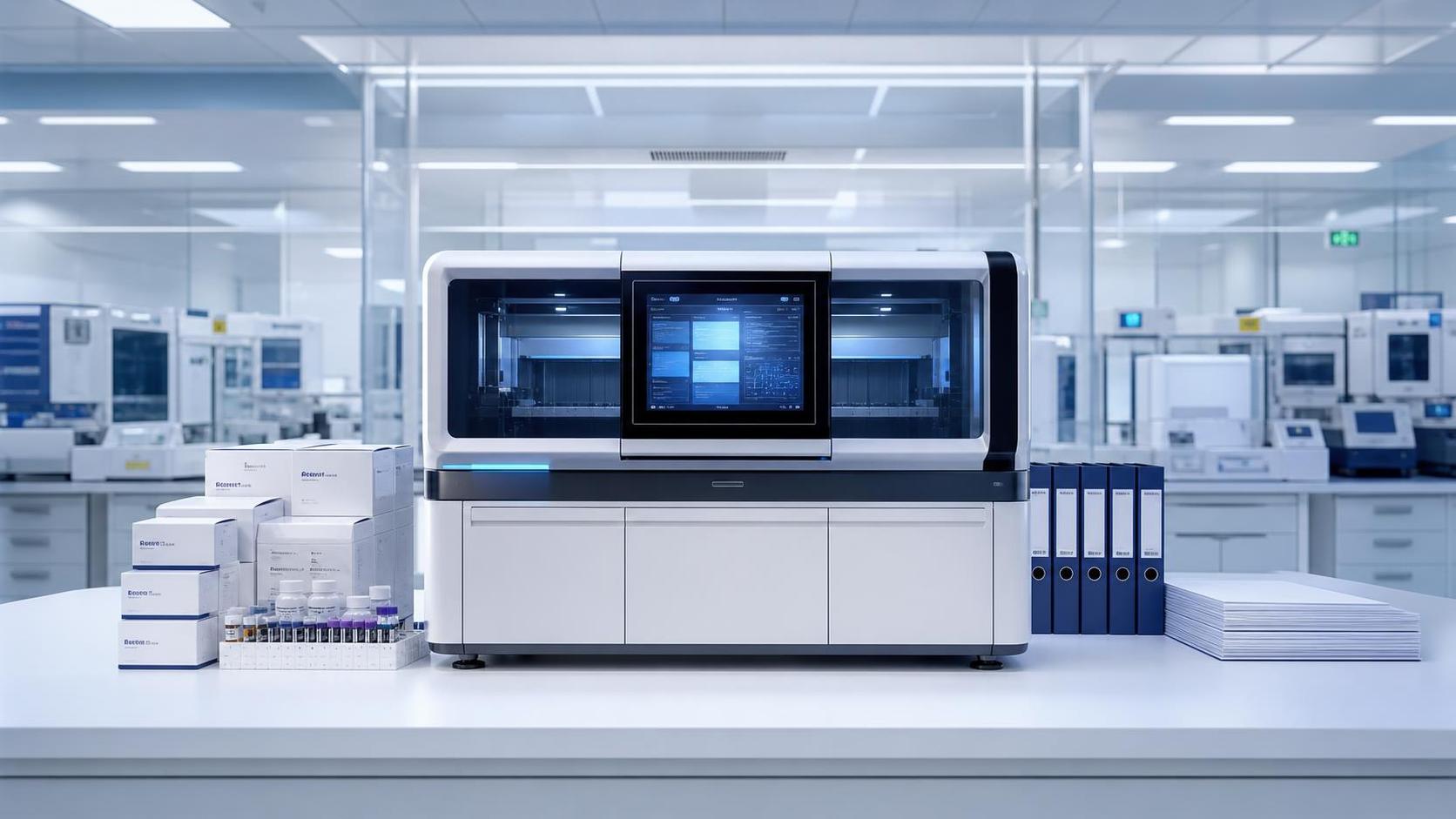
When do automated sample preparation systems reduce handling errors?
Sample preparation systems reduce handling errors through consistent pipetting, barcode tracking, and traceable workflows. Discover when automation delivers the greatest laboratory value.
-
 2026-09-07
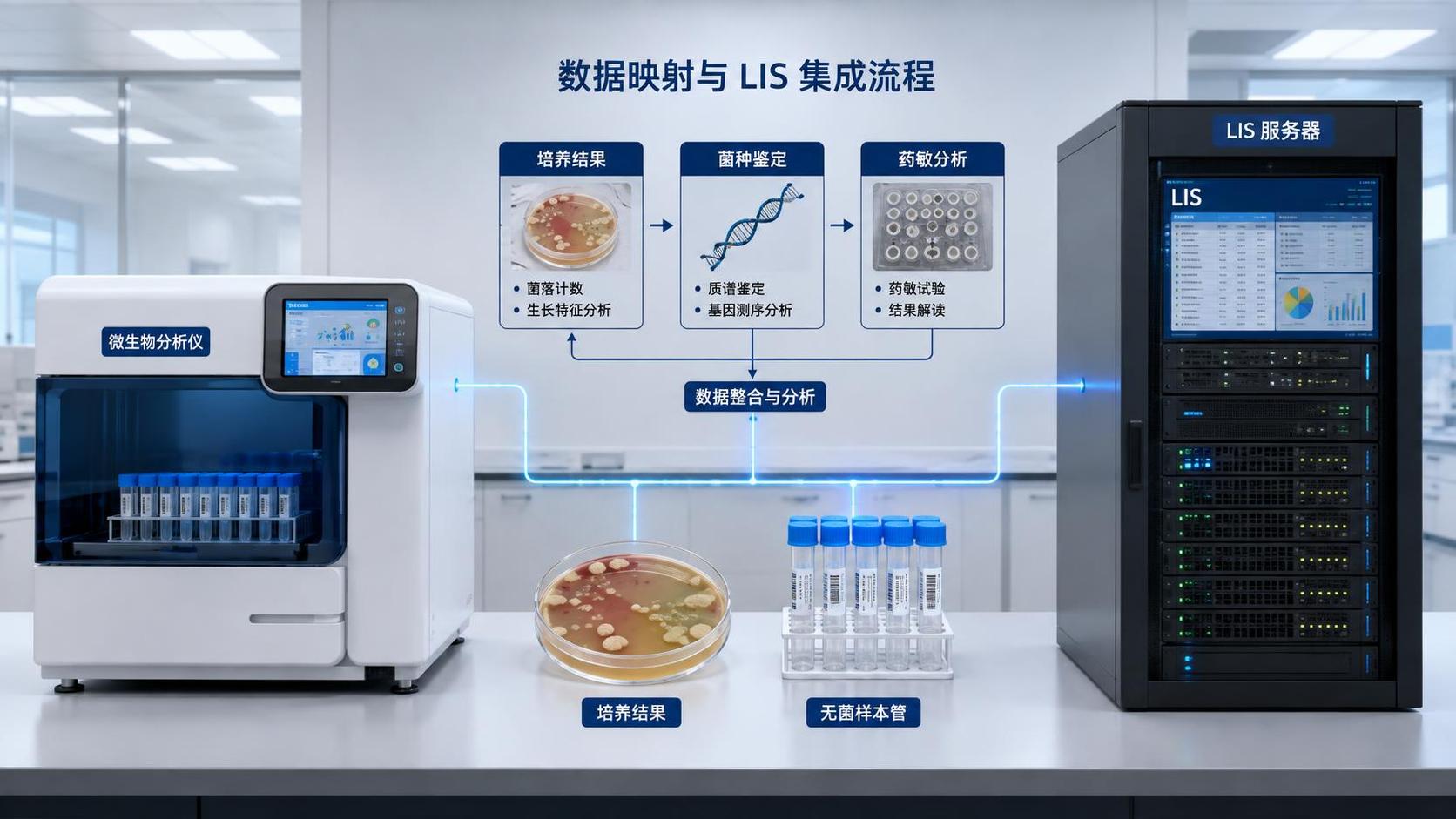
How does data mapping affect microbiology systems LIS integration?
Microbiology systems LIS integration relies on accurate data mapping to protect specimen context, organism-AST links, result status, and clinical reporting. Learn the essentials.
-
 2026-09-04
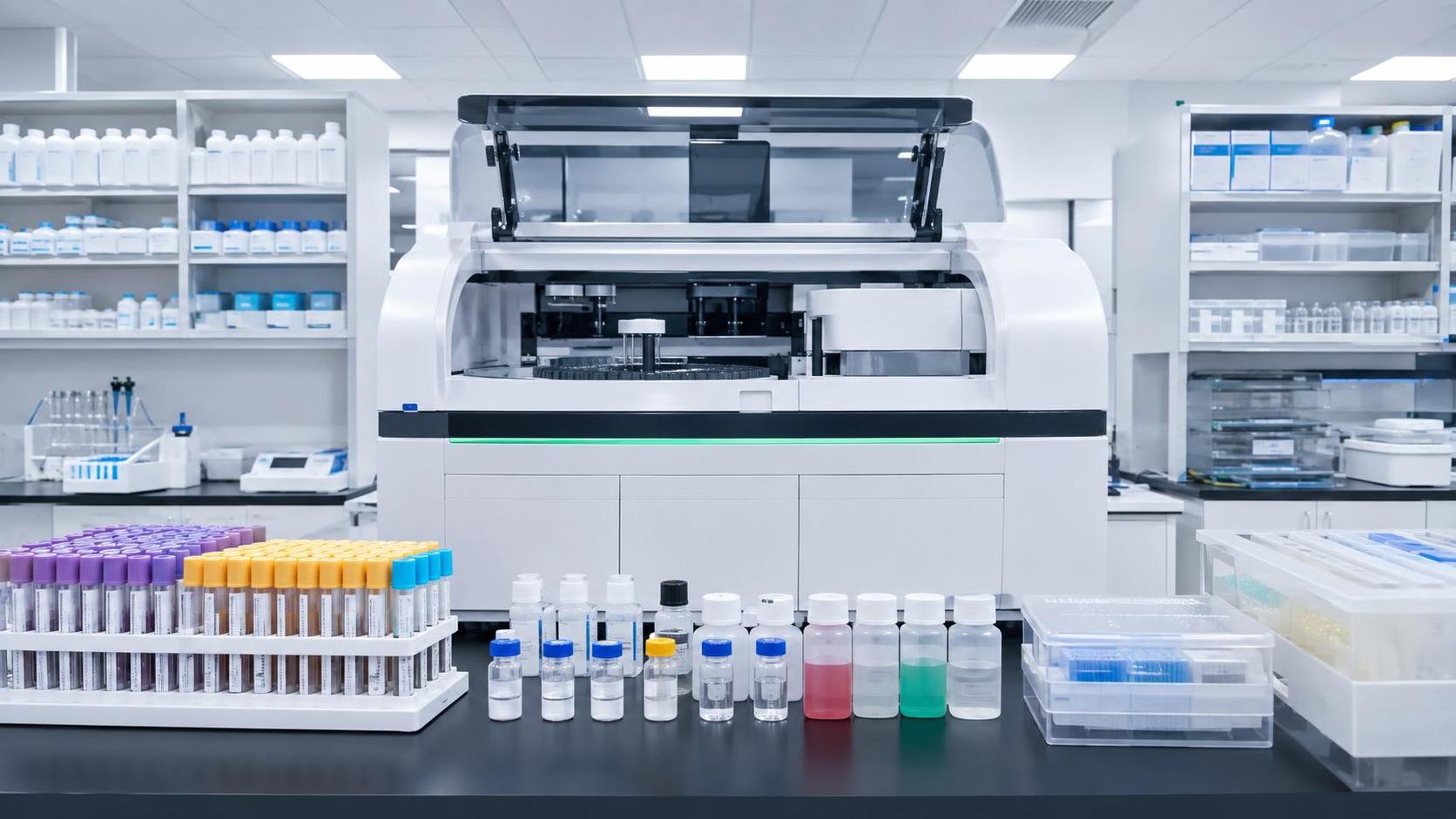
What affects laboratory diagnostics accuracy in routine testing?
Discover what affects laboratory diagnostics accuracy, from specimen quality and calibration to reagents, workflow, quality control, and system integration—plus practical tips for choosing reliable routine testing solutions.
-
 2026-09-03
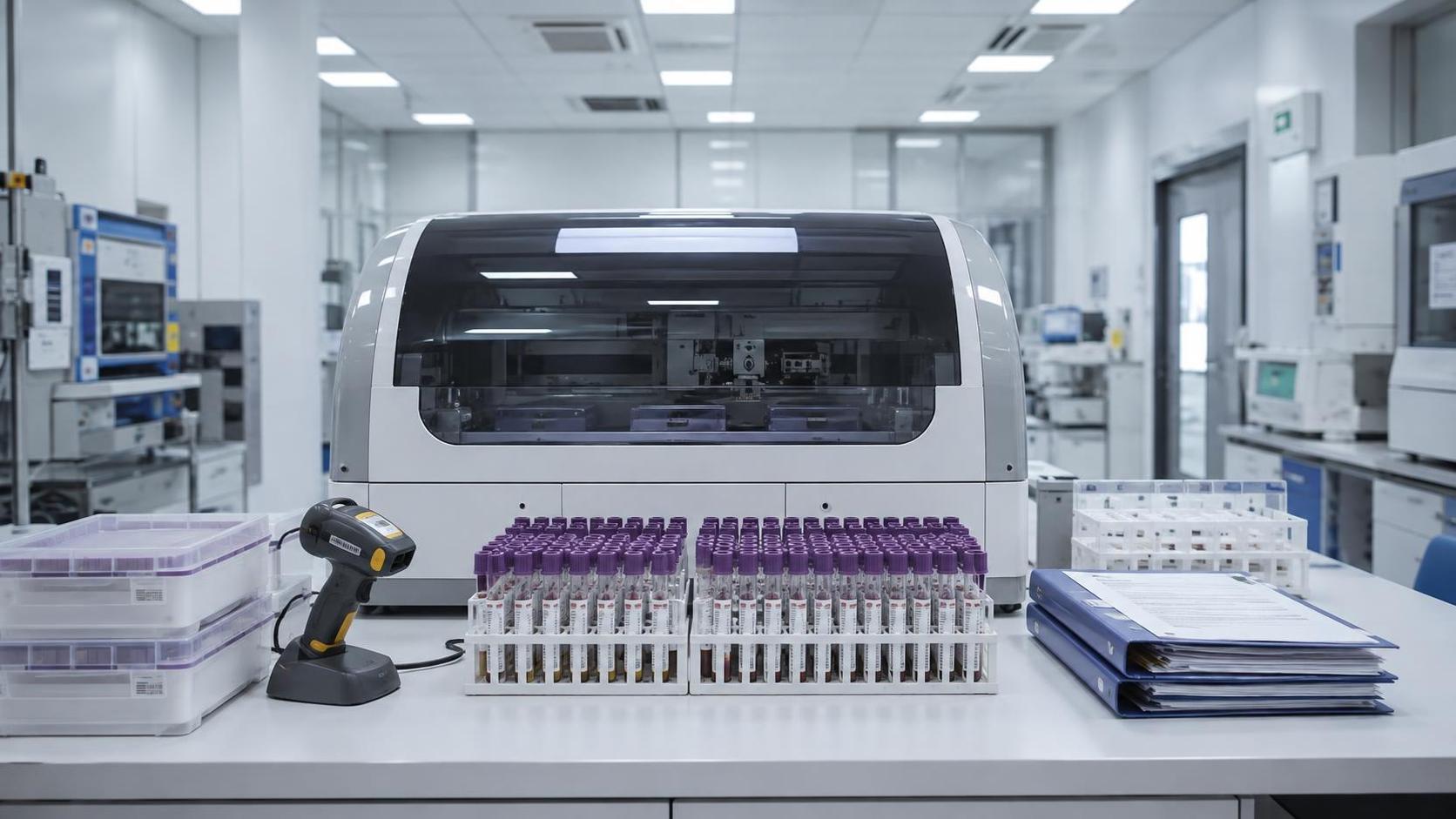
What Training Do Staff Need for a New Laboratory Information System?
What training do staff need for new laboratory information systems? Explore role-based LIS training for workflows, validation, security, downtime, and safe go-live.
-
 2026-09-03
How Reliable Are Point-of-Care Diagnostics in Emergency Rooms?
How reliable are point-of-care medical diagnostics in emergency rooms? Explore specimen handling, quality control, and workflow factors behind faster, safer emergency decisions.
-
 2026-09-03
What Is the Typical Turnaround Time for In Vitro Diagnostic Test Results?
What is the turnaround time for in vitro diagnostic test results? Explore typical timelines, common delay points, and practical ways to improve reliable reporting.
-
 2026-08-26
What laboratory information systems interoperability means for lab data exchange
Laboratory information systems interoperability explained: learn how reliable lab data exchange reduces errors, improves workflows, and helps healthcare buyers choose systems with confidence.
-
 2026-08-21
What throughput should you expect from automated molecular testing systems?
Automated molecular testing systems: learn what throughput to realistically expect based on workflow, sample type, turnaround time, and maintenance—so you can compare platforms with confidence.
-
 2026-08-18
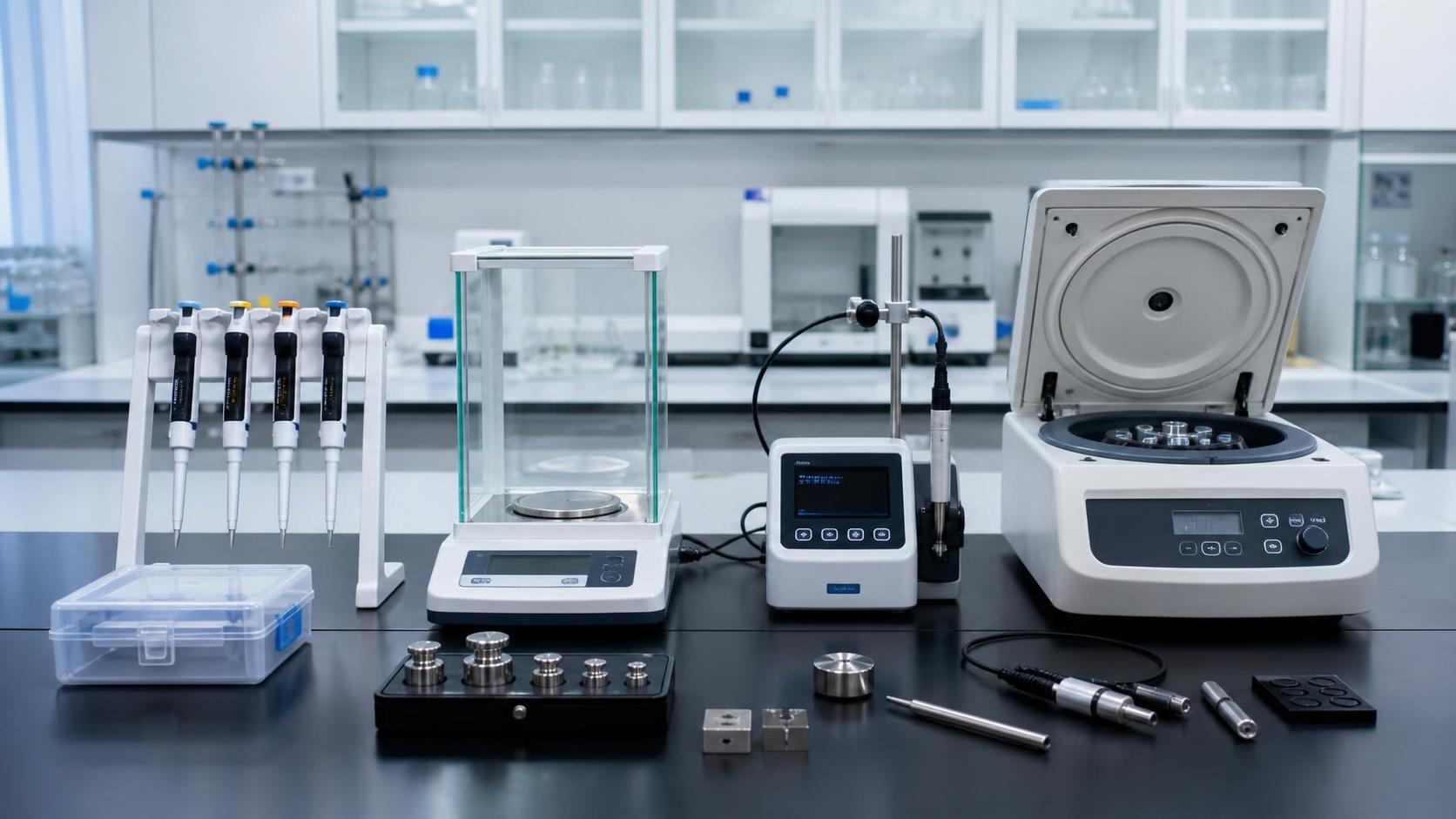
How often should biomedical engineering calibration be done for lab instruments
Biomedical engineering calibration frequency for lab instruments depends on risk, usage, drift, and compliance. Learn how to set defensible intervals and avoid hidden audit risks.
-
 2026-08-13
China’s First Class III IVD-AI Approval Signals Faster Global Market Entry
China’s first Class III IVD-AI approval signals faster global market entry, shaping CE IVDR and FDA pathways while helping importers, distributors, and buyers assess compliance, credibility, and launch readiness.