
What to Check Before Choosing Digital Rehabilitation Equipment
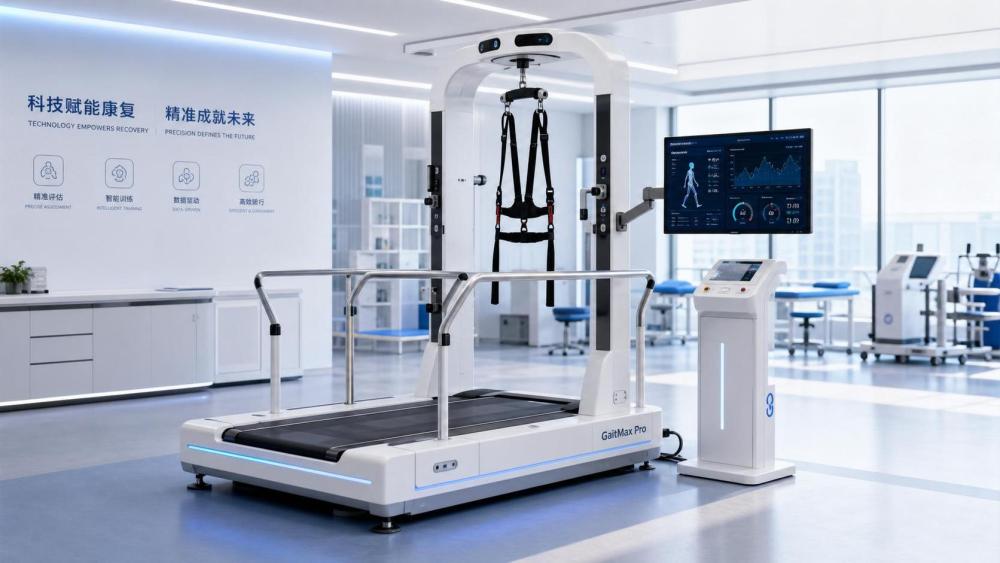
Before investing in rehabilitation equipment digital solutions, buyers need more than product brochures and headline pricing.
A stronger review starts with clinical fit, software stability, user workflow, service support, and long-term operating cost.
That matters because digital rehabilitation equipment is no longer just a therapy tool.
It often includes sensors, patient data capture, reporting dashboards, remote monitoring, and software-based treatment guidance.
In real procurement work, the wrong decision usually comes from overlooking operational details, not from missing a marketing feature.
This guide explains the checks that help compare rehabilitation equipment digital options in a practical and structured way.
Start With Clinical Use, Not the Technology Pitch
The first question is simple: what rehabilitation problem must the system solve?
Some digital rehabilitation equipment is designed for stroke recovery, while other systems target musculoskeletal therapy, balance training, gait analysis, or pediatric rehabilitation.
A device may look advanced, but it still fails if it does not match the patient population.
Review the intended clinical application, therapy intensity, treatment protocols, and expected outcomes.
Then confirm whether the vendor can show real use cases from comparable facilities.
This is especially important for rehabilitation centers, general hospitals, and community care settings with different therapy demands.
- Check which conditions the system supports.
- Review patient age, weight, mobility, and cognitive requirements.
- Ask whether therapy content can be adjusted by severity level.
- Confirm whether progress metrics are clinically meaningful.
When rehabilitation equipment digital systems align with actual therapy pathways, procurement decisions become much easier to defend.
Examine the Digital Functions Behind the Hardware
Many buyers focus first on screens, sensors, or robotic parts.
But the real value of digital rehabilitation equipment often sits inside the software layer.
That includes user interface design, data capture accuracy, report generation, therapy customization, and software update management.
Software reliability directly affects clinical trust and daily efficiency.
If sessions freeze, records disappear, or calibration drifts, staff confidence drops quickly.
That also means downtime risk should be part of technical evaluation from the start.
Key software checks
- Is the interface easy for therapists to use during busy sessions?
- Can treatment plans be modified without vendor intervention?
- Are reports exportable in common formats?
- How often are updates released and validated?
- What happens if internet access is unstable?
A strong rehabilitation equipment digital platform should keep working smoothly in normal clinical conditions, not only in demonstrations.
Review Usability for Therapists and Patients
Usability is often underestimated during device selection.
Yet poor usability can reduce patient compliance, slow treatment sessions, and increase staff resistance.
Digital rehabilitation equipment should be easy to set up, simple to clean, and straightforward to reset between patients.
For patient-facing systems, instructions must be clear and interaction should feel intuitive.
This becomes even more important when serving elderly users, post-stroke patients, or patients with limited attention span.
From a workflow perspective, setup time and therapist supervision needs should be reviewed carefully.
- Observe a live session, not only a showroom demo.
- Measure preparation time before therapy starts.
- Check how quickly therapists can switch patient profiles.
- Review accessibility for wheelchairs and assisted transfers.
A rehabilitation equipment digital solution should reduce friction, not create extra workload around every session.
Check Data Integration, Security, and Reporting Value
Digital tools create data, but not all data is useful.
The best rehabilitation equipment digital systems generate information that supports treatment review, management visibility, and documentation quality.
That includes progress trends, session history, performance baselines, and therapist notes integration.
At the same time, data handling must meet internal IT and compliance expectations.
Ask whether the system supports hospital information environments, user access control, audit records, and secure backups.
If the platform supports remote rehabilitation, privacy checks become even more important.
A digital rehabilitation equipment purchase should improve visibility, not create isolated data that nobody uses.
Assess Maintenance, Service, and Lifecycle Cost
Price is only one part of the decision.
Over time, rehabilitation equipment digital ownership depends on maintenance cost, spare parts access, software support, and service response speed.
This is where many comparisons become more realistic.
A lower-cost system may become expensive if it needs frequent recalibration, subscription upgrades, or imported replacement parts with long lead times.
It is also worth checking whether preventive maintenance can be done locally.
For digital rehabilitation equipment, support contracts should clearly define both hardware and software responsibilities.
Important cost questions
- What is included in the warranty period?
- Are software upgrades free, limited, or subscription-based?
- How fast can engineers respond on-site or remotely?
- Are consumables, sensors, or accessories tied to one supplier?
- What is the expected service life under normal workload?
A useful purchasing review compares total cost of ownership across five years, not just the initial invoice.
Confirm Training, Documentation, and Installation Readiness
Even strong equipment underperforms when training is weak.
That is why digital rehabilitation equipment selection should include onboarding quality as a formal checkpoint.
Therapists, technicians, and IT staff may all need different training content.
The supplier should provide clear user manuals, maintenance guidance, software instructions, and escalation contacts.
Installation readiness should also be reviewed early.
Some rehabilitation equipment digital systems need stable network coverage, floor space, power conditions, mounting support, or environmental controls.
If these details are missed, deployment delays become likely.
- Request a site requirement checklist before ordering.
- Confirm user training hours and refresher options.
- Review technical documents for completeness and clarity.
- Verify acceptance testing steps after installation.
The smoother the startup process, the faster the equipment begins delivering clinical and operational value.
Use a Structured Evaluation Before Final Selection
At final review stage, side-by-side comparison becomes essential.
A structured scorecard helps separate useful digital rehabilitation equipment from solutions that simply sound innovative.
Common evaluation areas include clinical suitability, usability, digital performance, maintenance needs, vendor support, and total lifecycle cost.
It is also practical to involve therapy leaders, biomedical engineering, IT, and facility staff during review.
That reduces blind spots and improves implementation readiness.
In today’s market, rehabilitation equipment digital choices are expanding quickly.
A careful process helps identify which systems truly support therapy outcomes, workflow efficiency, and service continuity.
Before issuing a purchase decision, confirm one last time that the equipment fits the clinical goal, the operating environment, and the support model behind it.
That final check is often what turns a digital rehabilitation equipment purchase into a reliable long-term investment.