
Physical Therapy Rehab Technology: Which Systems Deliver Better Recovery Outcomes?
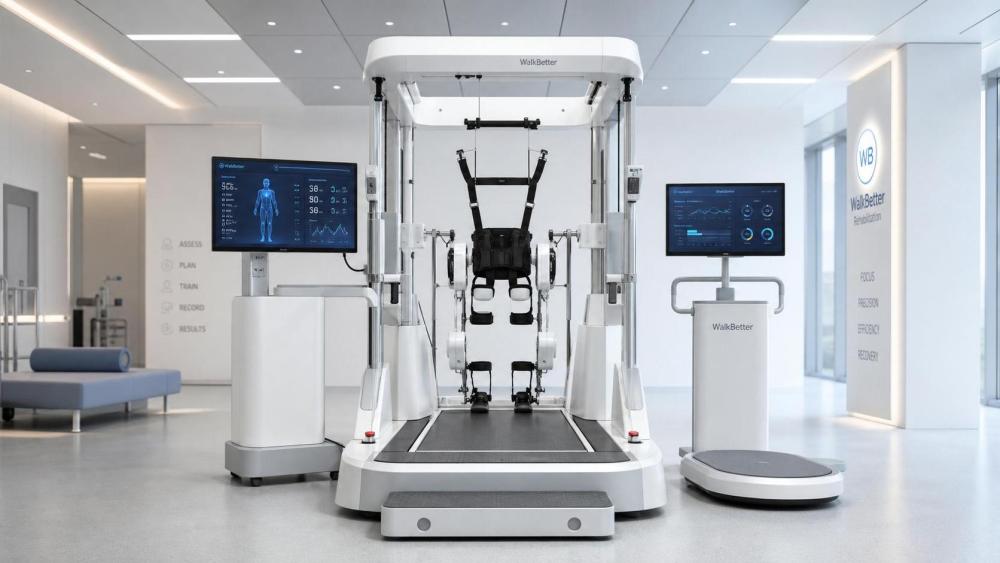
Choosing the right rehabilitation technology physical therapy system shapes recovery speed, therapist workload, and long-term equipment value.
Some systems improve repetition and measurement. Others support pain control, balance training, or gait recovery.
The better option depends on patient condition, operator workflow, and how well the platform fits daily rehabilitation practice.
In real settings, no single device wins every case. Better recovery outcomes usually come from matching technology to the right stage of therapy.
That makes rehabilitation technology physical therapy selection less about novelty and more about measurable clinical use.
What Defines Better Recovery Outcomes in Rehabilitation Technology Physical Therapy?
Before comparing systems, the outcome standard must be clear.
A rehabilitation technology physical therapy platform should support functional gains, not just device activity.
Common indicators include gait quality, joint range, muscle activation, pain reduction, balance stability, and treatment consistency.
Operator-focused measures matter too. Setup time, ease of adjustment, software clarity, and data reporting affect actual treatment delivery.
If a system looks advanced but slows sessions, its clinical value drops quickly.
- Can patients complete more high-quality repetitions?
- Does the system improve therapist control and safety?
- Can progress be tracked with reliable data?
- Does the device fit the most common case mix?
- Will maintenance or downtime disrupt treatment?
These questions create a more practical way to judge rehabilitation technology physical therapy outcomes.
Which Physical Therapy Systems Usually Deliver the Strongest Clinical Impact?
Different categories support different recovery goals. Clinical impact becomes clearer when each system is judged by application.
Robotic Gait and Movement Training
Robotic systems often deliver strong value in neurological rehabilitation and early mobility programs.
They help standardize repetitive movement, reduce physical strain on staff, and support controlled gait training.
These systems are especially useful after stroke, spinal cord injury, or severe lower-limb weakness.
Recovery outcomes improve most when robotic therapy is combined with therapist-guided functional practice.
The limitation is cost, training complexity, and space requirements.
Electrotherapy and Neuromuscular Stimulation
Electrotherapy remains common because it is versatile, relatively affordable, and easy to integrate into daily routines.
For pain modulation, edema control, and muscle re-education, these systems often produce practical short-term gains.
Still, the best recovery outcomes usually appear when stimulation supports active exercise, not passive treatment alone.
Motion Analysis and Digital Assessment Platforms
These systems do not always deliver therapy directly, but they often improve clinical decisions.
By measuring gait symmetry, posture, joint angles, and movement quality, they make progress easier to verify.
That is useful when treatment plans need adjustment or when outcome documentation is important.
Balance, Virtual Training, and Interactive Rehab Systems
Interactive rehabilitation technology physical therapy systems can improve engagement and compliance.
They are often effective in balance training, fall prevention, pediatric therapy, and repetitive task practice.
The stronger products are the ones with accurate sensing, clear feedback, and clinically meaningful exercises.
If the platform feels like entertainment without therapeutic structure, outcomes become less predictable.
How to Match Rehabilitation Technology Physical Therapy Systems to Clinical Need
A common mistake is choosing by headline features instead of treatment demand.
From recent market changes, the clearer signal is that facilities want systems with visible clinical fit and manageable ownership burden.
This kind of matching often predicts better recovery outcomes than buying the most complex system available.
What Operators Should Evaluate Before Adoption
In day-to-day rehabilitation, usability decides whether a device becomes central or stays underused.
A solid rehabilitation technology physical therapy evaluation should include both technical and workflow checkpoints.
- Setup efficiency. Fast positioning and simple controls keep session flow stable.
- Patient adaptability. The system should fit different body sizes, tolerance levels, and mobility limits.
- Safety features. Emergency stop access, harness integrity, and overload protection are essential.
- Data quality. Reports should be readable, exportable, and clinically relevant.
- Training demand. Staff should reach competence without excessive downtime.
- Service support. Spare parts, software updates, and response time matter more than brochures suggest.
- Maintenance burden. Daily checks and calibration needs should fit staffing reality.
This is where many purchasing decisions become clearer. Better systems usually reduce friction, not add more of it.
Common Risks That Reduce Recovery Performance
Even strong rehabilitation technology physical therapy tools can underperform when adoption is weak.
The most frequent problems are predictable and often preventable.
- Buying for prestige instead of clinical demand
- Ignoring operator training and turnover
- Overlooking software usability and reporting limits
- Failing to confirm service coverage in the local market
- Using passive modalities without active therapy integration
- Choosing systems that do not fit room layout or electrical conditions
More noticeably, outcome gaps often come from poor implementation rather than weak device design.
That also means better planning can raise value without changing the equipment category.
So, Which Systems Deliver Better Recovery Outcomes?
The short answer is conditional.
Robotic systems often lead in intensive gait and neurological rehabilitation.
Electrotherapy performs well when pain control and muscle activation are central goals.
Motion analysis platforms improve decision quality and progress tracking.
Interactive balance and digital rehab systems can lift participation and functional repetition.
For most facilities, the best rehabilitation technology physical therapy strategy is a combination approach.
Choose systems that match case volume, therapist workflow, measurable outcomes, and support capacity.
When selection stays grounded in clinical reality, better recovery outcomes become far more achievable.
Start with the treatment goals, verify workflow fit, and compare long-term operating value before making the final decision.