
What to Check Before Choosing Surgical Equipment for Laparoscopy
What to Check Before Choosing Surgical Equipment for Laparoscopy
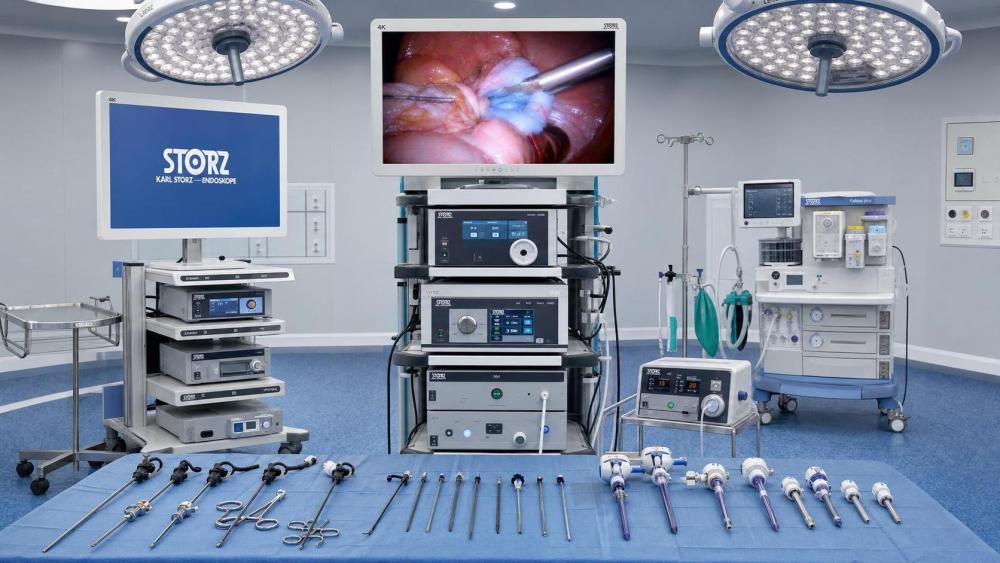
Choosing surgical equipment for laparoscopy is rarely a simple price comparison. In real procurement work, the lower quote does not always mean the better decision.
A laparoscopic setup affects surgical flow, visualization quality, instrument handling, sterilization routines, and long-term maintenance. That makes early evaluation much more important.
When reviewing surgical equipment for laparoscopy, buyers need to look at the whole system. Camera platforms, insufflators, light sources, energy devices, and hand instruments must work together reliably.
This also means procurement decisions should reflect clinical needs, technical support, training demands, and operating cost over time, not only the initial purchase value.
Start With Procedure Scope and Clinical Fit
The first check is clinical application. Surgical equipment for laparoscopy should match the actual case mix, not a generic marketing package.
A center focused on general surgery may need different instrument sets than a hospital performing gynecology, urology, colorectal, or bariatric procedures.
Port sizes, instrument lengths, articulation needs, and energy preferences can vary a lot. Even small mismatches can slow workflow in the operating room.
It helps to define procedure volume first. A low-volume facility may prioritize flexibility, while a high-volume site usually values consistency, turnaround speed, and durable reusable tools.
- Which laparoscopic procedures are performed most often
- Whether advanced energy or standard electrosurgery is enough
- How many operating rooms will share the system
- Whether pediatric or obese patient cases require special specifications
Without that baseline, even high-quality surgical equipment for laparoscopy can underperform because it was selected for the wrong use profile.
Evaluate Imaging Quality Beyond Resolution Claims
Imaging is one of the most critical parts of surgical equipment for laparoscopy. Buyers often focus on HD or 4K labels first, but that is only part of the picture.
What matters in practice is how clearly tissue planes, blood vessels, smoke, and fine structures appear during real procedures.
A system may advertise strong resolution, yet still perform poorly if color accuracy, brightness, focus stability, or white balance are inconsistent.
Recent market shifts also show greater demand for digital visualization platforms that support recording, display integration, and image optimization.
Key imaging questions
- Is the camera head easy to handle during long cases
- Does the monitor support the same image standard as the processor
- How does the system perform under smoke or low-contrast conditions
- Are there delays between camera movement and screen response
- Can the system store and export surgical images securely
A live demonstration is usually more useful than brochure comparisons. Seeing surgical equipment for laparoscopy in a realistic workflow reveals weaknesses much faster.
Check Instrument Durability, Ergonomics, and Reprocessing Burden
Hand instruments often drive recurring cost and user satisfaction. Surgical equipment for laparoscopy should feel precise, balanced, and reliable after repeated cycles.
Graspers, dissectors, scissors, needle holders, and trocars should be reviewed for jaw alignment, shaft rigidity, insulation quality, and handle comfort.
In actual business conditions, maintenance teams also care about how easily each item can be cleaned, disassembled, inspected, and tracked.
This is where reusable and single-use strategy matters. Lower-priced reusable tools can become expensive if repairs, replacement parts, and sterilization labor are heavy.
Practical checks for instruments
- Review expected lifespan and repair frequency.
- Confirm compatibility with local sterilization methods.
- Check whether spare seals, valves, and inserts are easy to source.
- Ask for documented inspection and reprocessing instructions.
- Compare replacement cost at the instrument level, not only by set price.
For surgical equipment for laparoscopy, ergonomic fatigue is another overlooked factor. A tool that feels acceptable in a short demo may perform poorly in longer operations.
Review Energy Systems, Insufflation, and Safety Controls
Not all laparoscopic systems carry the same clinical risk profile. Energy delivery, gas management, and thermal safety should be reviewed with extra care.
When selecting surgical equipment for laparoscopy, confirm whether the energy platform supports the procedures planned today and the upgrades expected later.
Electrosurgical generators, vessel sealing devices, smoke evacuation, and insufflators all affect visibility, tissue handling, and surgical efficiency.
A more obvious signal in current procurement is the rising attention to integrated safety features. These reduce manual adjustments and help standardize operating room performance.
These checks make surgical equipment for laparoscopy decisions more defensible, especially when comparing systems that look similar at first glance.
Confirm Compatibility With OR Infrastructure and Workflow
Even strong products can create problems if they do not fit the operating room environment. Surgical equipment for laparoscopy must align with space, power, displays, carts, and existing towers.
This matters even more when facilities are upgrading older rooms. Connectors, monitor mounts, medical-grade outlets, and data interfaces may require adaptation.
Workflow fit also includes setup time, cable management, staff familiarity, and turnover speed between cases. Those details directly affect room utilization.
Before purchasing surgical equipment for laparoscopy, map the installation environment carefully and confirm whether any hidden infrastructure cost is involved.
- Available floor space and tower positioning
- Display size and viewing angle requirements
- Electrical load and backup power conditions
- Integration with recording or hospital IT systems
- Transport and storage conditions between operating rooms
Look Closely at Service, Training, and Documentation
Service support often separates acceptable suppliers from dependable partners. Surgical equipment for laparoscopy requires consistent uptime, technical response, and clear maintenance pathways.
In procurement reviews, ask how quickly engineers can respond, where spare parts are stocked, and whether loan units are available during repair.
Training support matters just as much. A modern laparoscopic platform may include digital features, advanced energy modes, and reprocessing requirements that need structured onboarding.
Documentation should also be complete. Missing manuals, sterilization instructions, compliance records, and maintenance schedules can delay use or create audit issues.
Ask suppliers for these items early
- Preventive maintenance plan and service interval
- Warranty scope and exclusions
- Local regulatory and technical documents
- User training plan for surgeons, nurses, and biomedical staff
- Expected lead time for consumables and spare parts
For surgical equipment for laparoscopy, weak after-sales support can erase any early savings very quickly.
Compare Total Lifecycle Cost, Not Just Purchase Price
The final decision should bring all cost drivers together. Surgical equipment for laparoscopy creates expenses across installation, training, consumables, repairs, and downtime.
A lower upfront offer may depend on costly accessories, single-use components, proprietary replacements, or frequent servicing. That changes the real business case.
From a decision standpoint, it is better to compare three-year or five-year ownership cost against expected utilization and clinical value.
A structured review of surgical equipment for laparoscopy should include capital cost, maintenance cost, reprocessing cost, accessory use, and productivity impact.
The strongest procurement decisions usually come from cross-checking clinical fit, technical reliability, supplier support, and long-term operating economics in one framework.
Before final selection, build a comparison sheet, request live demonstrations, and verify service commitments in writing. That approach makes surgical equipment for laparoscopy choices more practical, safer, and easier to defend over time.
Have questions about the global trade trends discussed here, or planning your expansion and supply chain strategy? Leave a message below and let the trade experts at MTHH guide you.
We respect your privacy. Your information is strictly confidential.
Related News
- How to choose diagnostic imaging equipment for small clinicsNov 14, 2026Choose diagnostic imaging equipment for clinics with confidence. Compare clinical needs, costs, space, workflows, and supplier support before you buy.
- How to size medical gas pipelines for peak demandNov 09, 2026Medical gas pipeline systems design starts with peak demand. Learn how to size pipes, calculate pressure loss, and check critical paths for reliable performance.
- What Trendelenburg angle should an operating table provide?Nov 05, 2026Compare operating tables Trendelenburg angles, load limits and accessories. Discover what to check before choosing the right table for your procedures.
- How to estimate the total cost of hospital imaging equipmentNov 04, 2026Plan hospital capital equipment imaging investments with confidence. Learn to estimate installation, service and operating costs and compare bids fairly.