
Effective September 1, 2026, Brazil’s health regulator ANVISA is changing the registration path for certain dental imaging devices by separating pure imaging products from systems that include AI-based image recognition, automatic lesion marking, or diagnostic suggestions. For manufacturers, importers, distributors, compliance teams, and procurement functions involved in dental CBCT, intraoral X-ray, and panoramic equipment, this is worth close attention because the change affects what must be submitted in a registration dossier and may alter planning around evidence preparation, market entry timing, and product positioning.
What the new filing requirement says
According to the information provided, ANVISA issued Ordinance RDC No. 89/2026 on July 12, 2026. The measure takes effect on September 1, 2026.
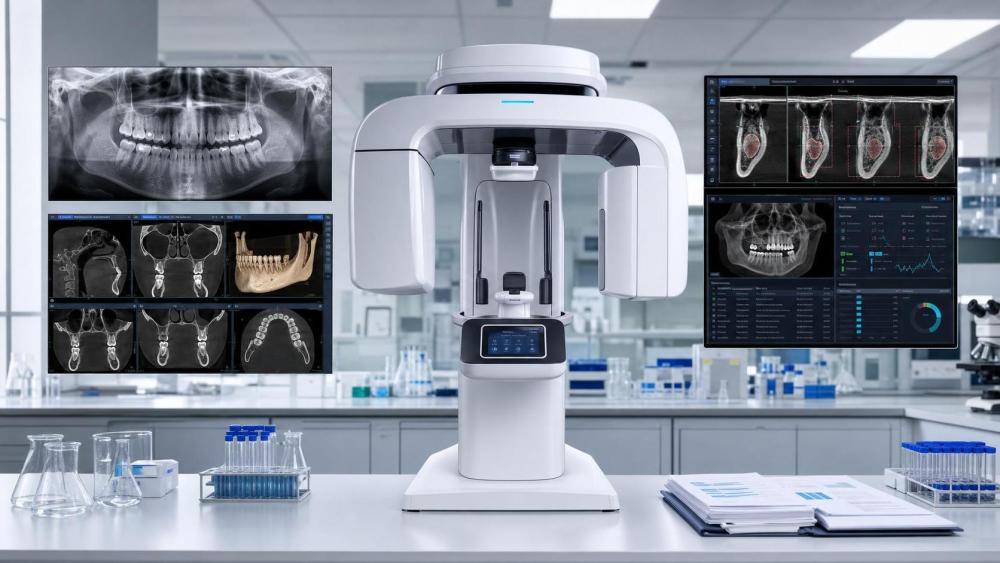
From that date, dental CBCT systems, intraoral X-ray units, and panoramic machines that include AI image recognition, automatic lesion annotation, or diagnostic recommendation functions must submit an additional clinical equivalence comparison report as part of the registration application.
The report must be issued by a clinical center located in Brazil and must cover at least 200 real-world cases. The comparison standard identified in the provided information is a gold-standard radiologist reading.
The requirement does not apply to devices that perform imaging only and do not include analytical functions.
Where the operational pressure is likely to appear
Manufacturers with AI-enabled product configurations
Analysis shows the most immediate impact is on companies whose dental imaging equipment integrates analysis features rather than image capture alone. The practical issue is not only device classification in commercial materials, but whether the registration package now needs a Brazil-based clinical equivalence report meeting the stated case threshold. What deserves closer attention is the boundary between an imaging function and an analytical function, because that distinction can affect dossier scope, submission preparation, and launch sequencing.
Importers and market-entry teams in Brazil
From an industry perspective, importers and local registration teams may face added coordination work before filing. If a product is marketed with AI-assisted reading, lesion marking, or diagnostic suggestion capabilities, the registration path described in the provided information becomes more document-intensive. In business terms, this may affect import scheduling, registration readiness reviews, and communication with overseas principals on which product version is being filed.
Distributors, procurement channels, and tender-facing functions
Observably, distributors and procurement-facing teams should pay attention to how product specifications are described in sales documents, quotations, and procurement submissions. If AI features are part of the offered configuration, buyers and channel partners may need to confirm whether the registration file reflects the additional clinical evidence requirement. This matters not because the supplied information confirms any tender rule change, but because compliance status can influence whether a product is ready for commercial supply and delivery planning.
Clinical, testing, and compliance support participants
Analysis shows that service providers involved in clinical documentation, regulatory support, and technical file preparation may also see a narrower but more demanding role. The key issue is alignment between product claims and the evidence expected in the registration application. Even without further execution details in the provided information, the requirement points to a more evidence-specific review path for AI-enabled dental imaging products than for pure imaging devices.
What companies should review now
Check whether product claims trigger the added pathway
It is more appropriate to begin with a claim-by-claim review of the product configuration intended for Brazil. If product literature, user interfaces, or technical descriptions include AI image recognition, automatic lesion marking, or diagnostic suggestion functions, companies should assess whether the filing would fall within the added report requirement described in the provided information.
Re-examine dossier structure and evidence readiness
From an industry perspective, teams should review whether existing registration documentation is sufficient for the revised path. The supplied information specifically points to a Brazil-issued clinical equivalence comparison report with at least 200 real cases and a gold-standard radiologist reading comparator. Companies should therefore focus on whether their current technical documentation and evidence plans are organized in a way that supports this requirement, rather than assuming prior data packages will be enough.
Watch timing implications for procurement and delivery
Analysis shows the timing issue deserves attention even though the provided information does not specify review duration or implementation practice. For companies planning launches, shipments, or distributor onboarding around AI-enabled models, the compliance preparation step may become a gating item. Procurement and sales teams should therefore align product availability planning with registration readiness, especially where AI functions are a selling point.
Follow ANVISA wording and market execution closely
Observably, the current information establishes the new requirement but does not provide broader execution detail in this prompt beyond the stated obligation and scope. Companies should keep watching for subsequent official wording, filing interpretation, and how the requirement is reflected in practical registration handling, product documentation expectations, and market communications.
Why this reads as an execution signal, not just a policy headline
Analysis shows this development is more than a general discussion about AI in medical devices. Based on the provided information, the rule creates a concrete additional submission requirement tied to specific dental imaging categories and to defined AI-assisted functions. That makes it more appropriate to understand the update as an execution-level compliance signal for registration work from September 1, 2026 onward.
At the same time, observably, the market still needs to watch how this is applied in practice. The information provided does not answer every operational question, such as how edge cases in product claims may be interpreted or how consistently the distinction between pure imaging and analytical functionality will be handled across product presentations. For that reason, the rule appears to be both an implemented change and a development that still requires close observation at the execution level.
How the market should read this change now
The clearest takeaway is that ANVISA has introduced an additional local clinical evidence expectation for AI-enabled dental imaging registrations, while leaving pure imaging devices outside that added requirement. For the industry, the significance lies less in broad market speculation and more in immediate registration planning, product claim review, and coordination between manufacturers, local applicants, and channel partners.
It is more appropriate to understand this update as a live compliance change with direct filing consequences, while also recognizing that the full practical impact will depend on subsequent execution, interpretation, and market response.
Basis of this article and what still needs verification
This article is based on the user-provided news title, event date, and event summary. For developments of this kind, relevant source types typically include official regulatory notices, regulator publications, trade or customs authority information, industry association updates, standards documents, and reporting by established professional media. A specific official source link was not provided in the input, so the underlying document trail should continue to be verified.
Further observation is still needed on any detailed implementation language, certification and registration interpretation, procurement document changes, market feedback, and how companies execute against the requirement in practice.