
On July 1, 2026, the EU began applying a new compliance requirement that deserves close attention from rehabilitation device manufacturers, exporters, compliance teams, and distribution partners serving the European market. According to an MDR implementation notice issued by the European Commission on June 30, 2026, remote monitoring modules used in rehabilitation devices with remote patient monitoring (RPM), wireless data transmission, or cloud connectivity can no longer rely on the certification of the main device and must obtain CE certification as standalone medical devices. For companies exporting rehabilitation equipment from China to the EU, the immediate concern is not only compliance scope, but also the likely effect on launch timing and regulatory cost.
What the EU Notice Clearly Sets Out
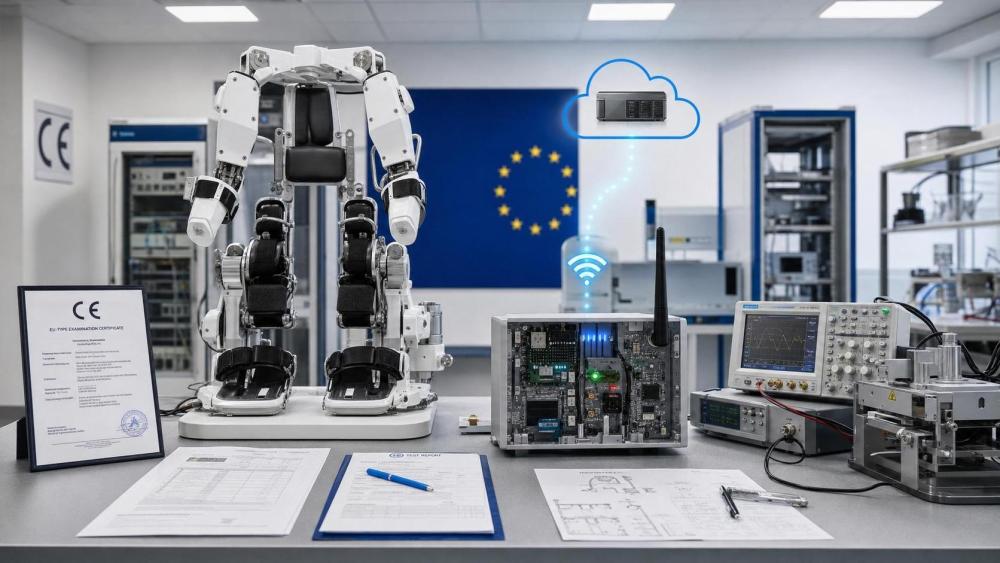
The confirmed information is limited but material. The European Commission issued an MDR implementation notice referenced as MDCG 2026-12 on June 30, 2026, and made the requirement effective from July 1, 2026. The notice states that all rehabilitation devices containing remote patient monitoring, wireless data transmission, or cloud connection functions must have their remote monitoring modules certified separately as independent medical devices for CE purposes.
The examples named in the input include smart orthoses, neurorehabilitation robots, and home rehabilitation training platforms. The notice also makes clear that the remote monitoring module may not remain covered only under the certification of the complete machine.
Where the Pressure Is Likely to Appear First
Products already built around connected functions
From an industry perspective, manufacturers of connected rehabilitation products are likely to feel the impact most directly because the requirement targets a specific functional layer rather than only the complete device. The business effect may appear in product registration sequencing, technical documentation preparation, and launch planning for devices that integrate RPM, wireless transmission, or cloud connectivity.
Export operations tied to EU market entry
For companies shipping rehabilitation equipment from China to the EU, the main pressure point is likely to be market-entry timing. The input information explicitly indicates that the change is expected to extend the time to market and increase compliance costs. That means export planning, shipment scheduling, and customer delivery commitments may all require closer review where a connected module is part of the offer.
Channel and market-facing partners
Distributors, import-side partners, and other market-facing participants may also be affected because certification boundaries now matter more in commercial execution. Where a product sale depends on connected monitoring functionality, questions around whether that module has its own CE path may affect product readiness, sales communication, and documentation checks before market placement.
Service and support functions around connected rehab systems
Suppliers and service providers involved in connected rehabilitation ecosystems should also pay attention. Observably, any role linked to documentation support, regulatory coordination, delivery scheduling, or customer onboarding may need to adjust to a framework in which the remote monitoring module is treated separately from the main rehabilitation device.
Practical Points Companies Should Track Now
Whether a product contains an in-scope remote module
What deserves closer attention is the functional boundary of the product. If a rehabilitation device includes RPM, wireless data transmission, or cloud connectivity, companies need to assess whether the remote monitoring component falls within the newly separated certification requirement described in the notice.
How certification timing affects active EU business
Analysis shows that the rule matters not only for new product development but also for active export programs. Businesses should pay close attention to how separate certification may affect launch calendars, delivery windows, and commitments already tied to the EU market, especially where connected functions are part of the expected product configuration.
Whether customer and partner communication needs revision
The notice points to a practical distinction between full-device certification and certification of the remote monitoring module itself. Companies may therefore need to review how they present compliance status to EU customers, distributors, and procurement counterparts so that commercial communication matches the new regulatory framing.
What still needs ongoing verification
Although the compliance direction in the input is explicit, businesses should continue monitoring whether further official wording, implementation detail, or interpretive clarification follows. This matters because day-one regulatory language and day-to-day market application are not always identical in practical execution.
Why This Looks Like More Than a Short-Term Adjustment
This development is already a concrete compliance change because the input states that the requirement took effect from July 1, 2026. At the same time, it is more appropriate to understand it as a broader regulatory signal about how connected functionality inside rehabilitation equipment is being treated under the EU framework. The key point is not only that a rule changed, but that the remote monitoring module is being recognized as a separately regulated unit for CE purposes.
Observably, the market still needs to watch how this distinction is applied across different product structures and sales models. That is why the update should be read as both an immediate operational issue and a continuing area for compliance observation.
How the Industry May Best Read This Update
In practical terms, this notice suggests that connected features in rehabilitation devices can no longer be treated as a secondary compliance detail when entering the EU market. The immediate implication, based on the input, is a longer listing cycle and higher compliance cost for relevant exports from China. The more balanced reading, however, is that this is neither a temporary headline nor a fully settled end state for every implementation question. It is best understood as an effective rule change with longer-term regulatory meaning that still requires close follow-up.
Basis of This Article and What to Verify Next
This article is based on the user-provided news title, event date, and event summary concerning the European Commission MDR implementation notice Ref: MDCG 2026-12 and its July 1, 2026 application date. For this type of industry update, relevant source categories would typically include official notices, company disclosures, industry association updates, authoritative media coverage, and standard-setting or regulatory documents.
A specific official source link was not provided in the input, so the exact publication record should continue to be verified. Follow-up attention should remain on any additional official wording, interpretive guidance, or implementation clarification related to separate CE certification for remote monitoring modules in rehabilitation devices.