
Why X-Ray Equipment Dose Reduction Starts With Real Use Conditions
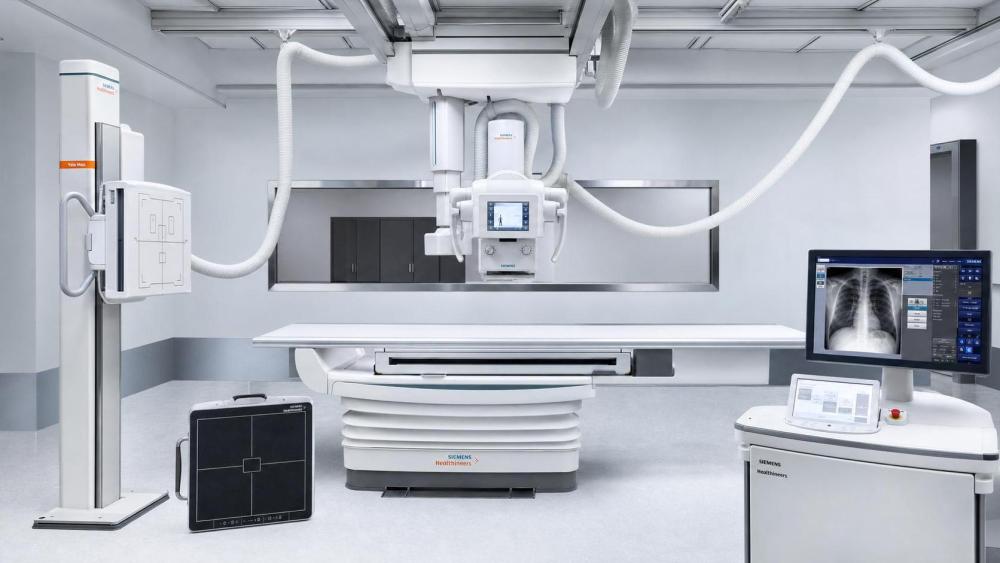
X-ray equipment dose reduction is rarely solved by one setting alone.
In daily imaging work, exposure decisions sit between diagnostic confidence, patient safety, repeat exam control, and room throughput.
That balance changes from a busy emergency room to a scheduled outpatient unit, a mobile bedside study, or a pediatric exam.
The practical question is not only how to lower dose, but where unnecessary exposure is actually being created.
In many facilities, dose creep comes from repeated positioning errors, oversized fields, outdated protocols, or detector performance drift.
That is why X-ray equipment dose reduction should be reviewed as an application issue, not just a technical feature list.
Within imaging procurement and clinical engineering discussions, this matters because room design, service quality, software tools, and staff habits all affect exposure outcomes.
On platforms such as MTHH, equipment evaluation becomes more useful when dose management is connected to workflow reality and long-term operating value.
Actual Practice Changes the Dose Reduction Priority
Different imaging environments ask for different compromises.
A trauma room often values speed and first-pass image success.
A health screening center values consistency across high volumes.
A pediatric setting gives much tighter attention to exposure margins and collimation discipline.
Mobile imaging adds another layer, because positioning challenges and variable patient condition can easily increase repeats.
In practical terms, X-ray equipment dose reduction depends on four linked checks.
- Whether the protocol matches anatomy, body habitus, and clinical purpose.
- Whether detector sensitivity and image processing support lower exposure without hiding detail.
- Whether positioning and collimation are precise enough to avoid retakes.
- Whether routine quality control catches drift before dose levels quietly rise.
When one of these pieces is weak, low-dose claims on paper may not translate into lower real-world exposure.
Where High-Frequency Imaging Usually Needs a Different Approach
Emergency and trauma rooms
Here, speed matters, but speed without positioning control often increases cumulative dose.
The better route is protocol simplification, clear anatomical presets, and fast detector response.
Automatic exposure control can help, but only if calibration matches the actual exam mix.
If trauma teams use broad default settings for every case, X-ray equipment dose reduction quickly becomes inconsistent.
Outpatient and routine radiography
This setting usually offers the best opportunity for stable dose reduction.
Patient flow is more predictable, and exam protocols can be standardized with less compromise.
Small improvements in collimation, SID control, and exposure charts produce measurable savings over thousands of studies.
More importantly, consistent setup reduces unnecessary variation between operators and shifts.
Mobile bedside imaging
Portable exams are often where hidden dose inefficiency appears.
Access constraints, difficult positioning, lines and tubes, and unstable patient posture all raise retake risk.
In this environment, X-ray equipment dose reduction depends less on aggressive parameter cutting and more on first-image accuracy.
Lightweight detectors, exposure indicators, and reliable wireless transfer often have more dose value than headline power specifications.
Pediatric and small-body imaging
This is where protocol discipline matters most.
Minor overexposure that may seem acceptable elsewhere is harder to justify here.
Detector efficiency, tight beam limitation, and short exposure time are central.
Sedation avoidance and reduced repeat imaging also influence dose strategy, because patient motion can erase gains from theoretical low-dose settings.
Different Settings Create Different Dose Reduction Priorities
The same equipment can perform well in one site and poorly in another if local conditions are ignored.
A quick comparison helps clarify where X-ray equipment dose reduction efforts should focus first.
This is also why procurement comparisons should not stop at detector size, generator output, or software brand names.
Dose reduction performance is tied to service calibration, protocol usability, and data feedback after installation.
The Most Practical Ways to Cut Exposure Without Losing Image Confidence
In actual imaging operations, the most effective changes are usually operational, not dramatic.
- Review exam protocols by body part and patient size instead of using broad department defaults.
- Use collimation as a routine control step, not an optional refinement.
- Track repeat reasons monthly, especially positioning, clipping, motion, and wrong exposure selection.
- Monitor exposure index trends to detect dose creep before image quality complaints appear.
- Confirm detector maintenance, calibration, and image processing updates stay on schedule.
- Check whether grids are being used appropriately, especially in smaller or portable studies.
- Align dose reduction training with the actual exam mix of each room.
These actions support X-ray equipment dose reduction because they reduce the common reasons exposure rises slowly over time.
They also improve consistency, which matters as much as absolute dose numbers.
What Often Gets Misjudged Before Implementation
One common mistake is assuming a newer detector automatically means lower patient exposure.
If technique charts stay outdated or staff rely on visual brightness alone, dose levels may stay unchanged.
Another mistake is focusing on purchase price while ignoring service response, software support, and training depth.
For X-ray equipment dose reduction, post-installation behavior matters more than brochure claims.
Facilities also sometimes treat similar rooms as identical.
Yet a general radiography room, a mobile unit, and a surgical C-arm environment create different exposure patterns and operational risks.
A further blind spot is documentation readiness.
Dose reports, quality control records, acceptance testing, and protocol governance are essential for long-term visibility.
This is where structured industry intelligence becomes useful, because technical selection, compliance review, and workflow fit need to be read together.
A More Reliable Way to Match Dose Reduction Efforts to Site Reality
A practical dose strategy starts by mapping where exposure is generated, repeated, or tolerated without review.
That usually means separating high-volume exams, mobile imaging, pediatric work, and time-critical studies instead of treating them as one operating profile.
From there, compare protocol design, detector condition, staff workflow, and service support against the actual exam burden.
X-ray equipment dose reduction becomes more realistic when linked to repeat analysis, maintenance planning, and room-level quality control.
The next useful step is to build a simple review sheet for each imaging setting.
- List the most frequent exams and current exposure ranges.
- Mark common retake causes and where they occur.
- Confirm protocol ownership, calibration dates, and detector performance checks.
- Review whether training and service support match the room workload.
That kind of structured review gives stronger guidance than chasing low-dose claims in isolation.
It also supports the broader MTHH approach of judging medical technology through application conditions, safety requirements, and total operating value.