
When MRI systems 3T change more than image quality
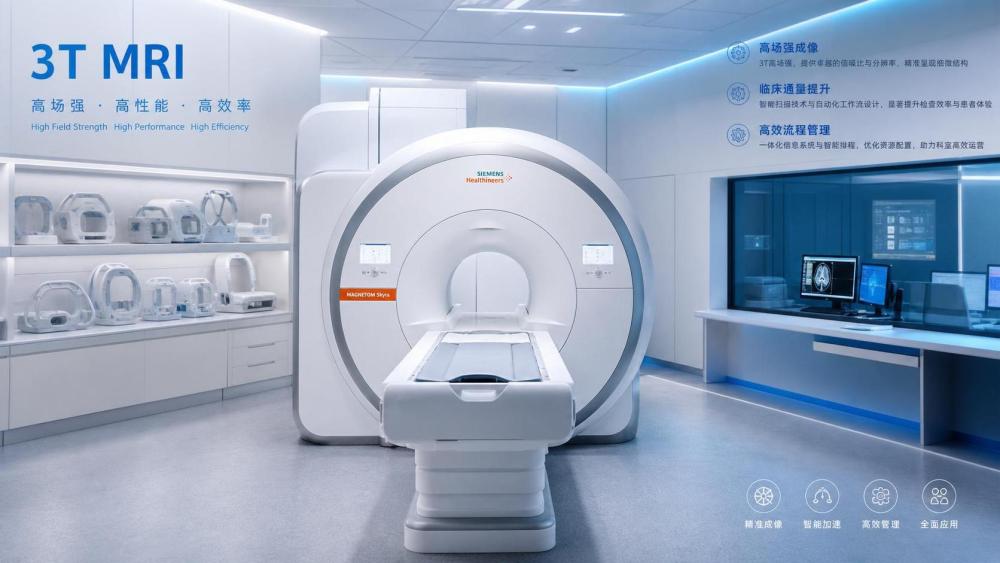
MRI systems 3T often enter planning discussions because sharper images attract attention first. In practice, the stronger case is usually operational.
A well-matched upgrade can shorten exam cycles, reduce repeat scans, and support a wider case mix without expanding room count.
That matters across the broader healthcare equipment market. Imaging decisions affect scheduling, referral patterns, engineering workload, and capital planning at the same time.
For platforms that track medical technology selection, MRI systems 3T sit at the intersection of clinical performance and procurement discipline.
The value is not identical everywhere. Throughput gains depend on patient type, protocol design, room readiness, software options, and service responsiveness.
That is why MRI systems 3T should be judged in context, not as a simple step up from 1.5T on a specification sheet.
Actual demand changes once the clinical setting changes
Different sites use MRI very differently. Some need to clear long outpatient queues. Others need complex neuro, musculoskeletal, or oncology protocols.
In one setting, MRI systems 3T improve throughput because advanced sequences finish faster. In another, the same system may add value through diagnostic confidence, not raw volume.
The more useful question is not whether 3T is better. It is where the upgrade removes a real bottleneck.
This is also where structured market information becomes practical. Imaging buyers rarely evaluate magnet strength alone.
They need to compare workflow compatibility, room constraints, documentation readiness, maintenance support, and long-term operating cost in one view.
High-volume outpatient imaging often focuses on minutes, not marketing claims
In busy outpatient centers, throughput pressure is visible every day. Delays usually come from setup time, protocol length, patient repositioning, and image repeats.
Here, MRI systems 3T can be valuable when they support faster routine neuro and spine exams while keeping image consistency high.
The best fit is rarely the most feature-heavy configuration. More often, success depends on protocol optimization, user interface efficiency, and stable coil workflow.
If the daily schedule includes a large number of standard studies, even small time savings per exam create meaningful capacity over a year.
Complex referral centers judge MRI systems 3T differently
Referral-driven imaging centers usually handle more demanding studies. Functional imaging, advanced neuro work, prostate exams, and detailed musculoskeletal studies are common examples.
In these settings, MRI systems 3T improve throughput in a less direct way. Better signal-to-noise can reduce repeats and shorten decision time for radiologists.
That means throughput is improved not only at the scanner, but across reporting and patient management workflows.
Different settings need different upgrade logic
The differences become clearer when MRI systems 3T are compared by operating conditions rather than by headline specifications alone.
This comparison matters because two sites may buy the same MRI systems 3T and still experience very different outcomes.
Throughput improves only when workflow details are aligned
The scanner alone does not create throughput. Scheduling design, patient preparation, staff familiarity, and reporting workflow all shape actual productivity.
In real deployment, MRI systems 3T perform best when protocol libraries are standardized early and adjusted for the local case mix.
A center with many anxious or elderly patients may need shorter, more forgiving workflows. A sports medicine program may prioritize high-resolution joint imaging instead.
Sites that overlook this step often assume the upgrade underperformed, when the real issue is weak process alignment.
Installation planning can decide whether the upgrade pays off
MRI systems 3T bring infrastructure questions that should be reviewed before procurement moves too far.
- Room shielding and magnetic safety zoning must fit the building layout.
- Cooling, power stability, and ventilation loads may change the renovation budget.
- Patient transfer routes and emergency access should be tested against daily operations.
- IT integration with PACS, RIS, and reporting systems should be confirmed before go-live.
These points sound technical, but they directly influence downtime risk, opening timelines, and usable capacity.
Where decisions often go wrong
A common mistake is treating MRI systems 3T as a universal answer to all imaging delays. Sometimes the bottleneck is reporting backlog, not scanning speed.
Another error is comparing purchase prices without modeling service terms, helium strategy, software licensing, and upgrade paths.
Some projects also overestimate utilization in the first year. If referral volume is still developing, a premium configuration may sit below capacity.
The opposite also happens. Sites with rising specialty demand sometimes choose a basic system that cannot support future protocol expansion efficiently.
In equipment evaluation, this is why application fit, support structure, and document completeness deserve the same attention as image performance.
A practical way to judge MRI systems 3T before commitment
A useful review framework combines technical, operational, and commercial checks. That approach is more realistic than relying on one demonstration visit.
- Map the current exam mix and identify which protocols create the longest delays.
- Check whether MRI systems 3T will reduce repeats or simply add higher specification capacity.
- Review software options, coils, and post-processing against planned service lines.
- Estimate training demand, preventive maintenance intervals, and response times for service events.
- Confirm room readiness, compliance documentation, and integration milestones before installation.
For organizations using structured healthcare market intelligence, this process also makes supplier comparison more transparent.
It becomes easier to see whether a proposal supports real clinical throughput or only presents attractive headline specifications.
The upgrade works best when the use case is defined clearly
MRI systems 3T can absolutely improve clinical throughput, but the result depends on where the pressure sits today and how the site expects demand to evolve.
In some environments, the gain comes from faster routine exams. In others, it comes from stronger advanced imaging and fewer inconclusive studies.
The strongest decisions usually begin with a simple discipline: define the real operating scenario, compare the constraints, and test the service model behind the system.
Before moving forward, review exam mix, room conditions, upgrade scope, support coverage, and long-term maintenance assumptions in one decision framework.
That approach gives MRI systems 3T a fair assessment and helps turn an imaging upgrade into a measurable operational improvement.