
PPE Medical Supplies Infection Control: What to Check Before Ordering
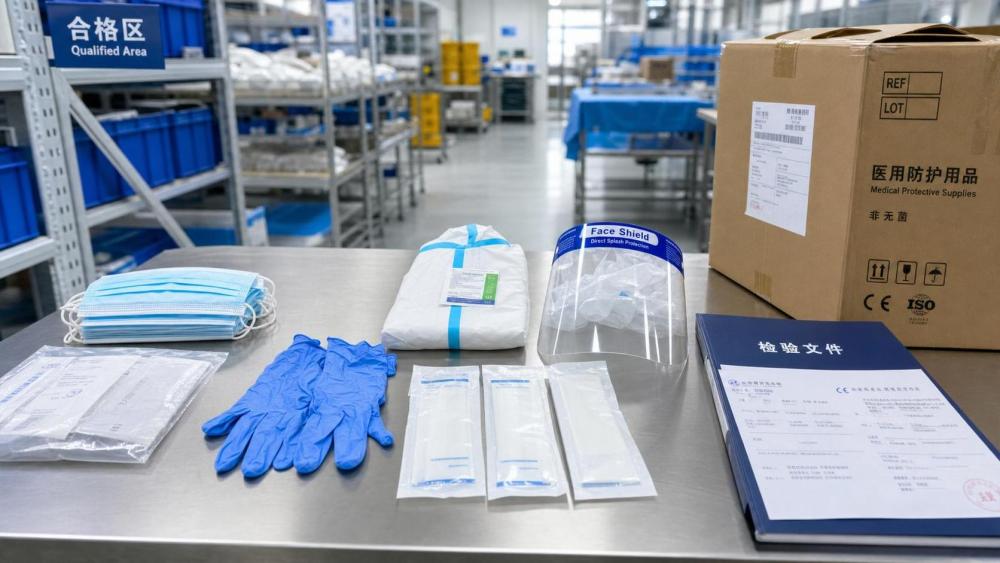
Before placing a bulk order, price should never be the first filter. PPE medical supplies infection control starts with fit-for-use verification, not a low quotation.
In healthcare procurement, small specification gaps can create large operational problems. A glove, gown, mask, or face shield may look acceptable, yet fail under real clinical conditions.
That is why procurement decisions should review certification, barrier performance, packaging integrity, supplier consistency, and documentation readiness before confirming any order.
For hospitals, distributors, and project buyers, PPE medical supplies infection control is both a safety issue and a cost issue. Ordering the wrong product often creates rework, returns, shortages, or compliance risk.
The practical question is simple: what should be checked before ordering? The answer is broader than many teams expect.
Start With Intended Use, Not Product Name
The same PPE category can serve very different settings. A mask used at reception is not the same as one used in isolation care or aerosol-risk procedures.
This matters because PPE medical supplies infection control depends on matching product design to exposure level, workflow, and duration of use.
Before comparing suppliers, define where the items will be used:
- General ward care
- Operating room procedures
- Emergency response
- Laboratory handling
- Cleaning and waste management
- Outpatient screening or triage areas
Once application is clear, the specification discussion becomes more objective. Material weight, splash resistance, breathability, cuff design, and packaging type all become easier to assess.
Verify Certifications and Regulatory Status
Certification checks are one of the most important steps in PPE medical supplies infection control. Labels alone are not enough. Buyers should request supporting documents and verify consistency.
Different markets recognize different standards. The correct requirement depends on product type and destination market.
Common items to review include:
- CE marking or local market registration status
- FDA-related listing, when applicable
- EN, ASTM, ISO, or equivalent test standards
- Declaration of conformity
- Test reports from recognized laboratories
- Lot traceability and manufacturing date records
In actual purchasing work, documentation mismatches are a common warning sign. A product label, carton, certificate, and test report should describe the same item clearly.
If model names differ across files, pause the order. That gap may later affect customs clearance, hospital acceptance, or distributor registration.
Check Material Performance Under Real Use Conditions
PPE medical supplies infection control is not achieved by paperwork alone. Material performance must hold up during wear, movement, moisture exposure, and repeated handling.
For masks, filtration claims should be reviewed together with breathability, fit, nose clip stability, and strap strength. High filtration means little if users cannot wear the product properly.
For gloves, examine tensile strength, puncture resistance, chemical compatibility, powder status, and sizing consistency. Poor fit increases waste and reduces safe handling.
For gowns and coveralls, focus on seam construction, barrier level, closure design, fabric durability, and comfort during long shifts.
A practical review list helps keep discussions grounded:
- Request samples from actual production lots.
- Check labeling against technical documents.
- Run fit or wear trials in the target department.
- Record user feedback on comfort and usability.
- Compare failure rates, not only unit price.
This is where many cost-driven decisions change. The cheaper product often becomes more expensive after breakage, complaints, or higher daily consumption.
Review Packaging, Sterility, and Storage Conditions
Packaging is not a minor detail. In PPE medical supplies infection control, poor packaging can damage products before they reach the clinical floor.
Outer cartons should resist transport stress. Inner packs should protect against moisture, dust, and handling errors. Labels should remain legible through warehousing and distribution.
Buyers should also confirm whether the product is sterile or non-sterile. Assumptions here create preventable problems, especially in procedure-related settings.
Ask suppliers to confirm:
- Packaging configuration per carton
- Shelf life and remaining validity at shipment
- Recommended storage temperature and humidity
- Transport protection for long-distance delivery
- Barcode, lot number, and traceability format
These points become more important for cross-border shipments, public tenders, and large hospital groups with central warehouses.
Assess Supplier Reliability Beyond the Quotation
A low quote does not guarantee reliable supply. PPE medical supplies infection control can fail at the sourcing stage when suppliers cannot maintain quality across batches.
Recent market changes have made this more visible. Some vendors provide compliant samples but ship inconsistent production later.
Supplier evaluation should include manufacturing capacity, quality control discipline, export experience, and response speed when problems appear.
Useful questions include:
- Can the supplier provide recent batch records?
- How are raw material changes controlled?
- What is the complaint handling timeline?
- Are replacement and recall procedures documented?
- Can the supplier support urgent replenishment?
For ongoing contracts, consistency matters more than a one-time promotional price. Stable delivery protects operations and reduces emergency buying at higher cost.
Compare Total Procurement Cost, Not Just Unit Price
Procurement decisions often focus too narrowly on price per piece. But PPE medical supplies infection control should be evaluated through total cost of use.
A lower-priced item may increase cost through waste, user rejection, breakage, excess consumption, training burden, or storage inefficiency.
A simple comparison table can improve decision quality:
This broader view supports more realistic budget control, especially when buying for multiple facilities or regional distribution channels.
Build a Pre-Order Checklist That Teams Can Reuse
The best procurement process is repeatable. PPE medical supplies infection control becomes easier to manage when buyers use the same review structure across categories.
A practical pre-order checklist should cover commercial and technical points together:
- Confirm intended clinical or operational use.
- Verify applicable certifications and registrations.
- Review test reports and specification sheets.
- Inspect production samples from current lots.
- Validate packaging, shelf life, and storage needs.
- Check supplier capacity and complaint response process.
- Compare total cost, not price alone.
- Document approval before purchase order release.
This approach helps standardize sourcing decisions across hospitals, distributors, and healthcare projects. It also improves internal alignment between procurement, quality, and end users.
In the end, PPE medical supplies infection control is about disciplined buying. Good orders are built on verified details, realistic usage review, and suppliers that can prove consistency over time.
Before the next order is placed, use this checklist to challenge assumptions, tighten documentation, and make the purchase decision easier to defend later.