
Automated Molecular Testing Systems: Key Validation Points Before Adoption
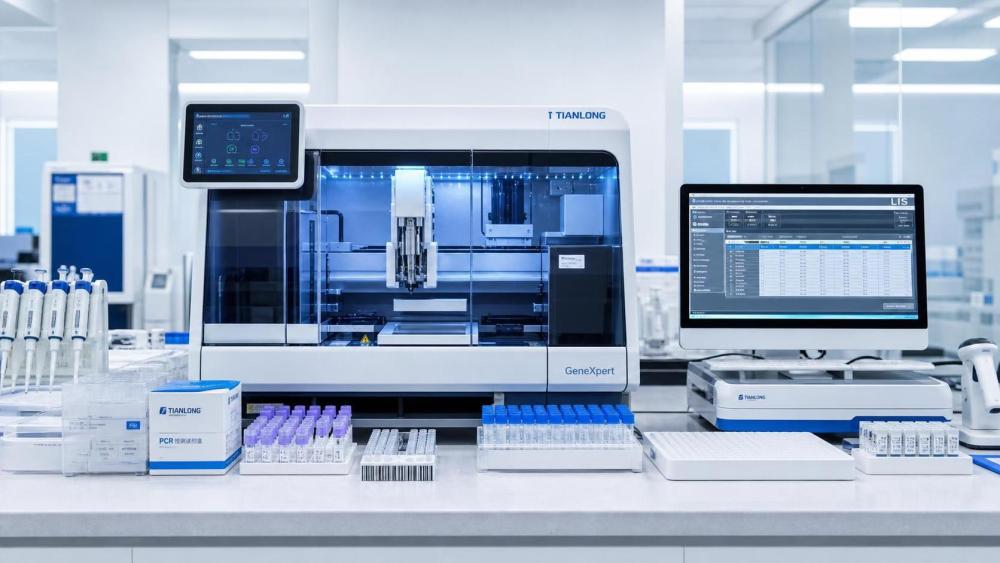
Before investing in automated molecular testing systems, decision quality depends on more than a product brochure.
The real question is whether the platform will perform reliably inside a live laboratory workflow.
That means checking validation data, integration readiness, staffing impact, and long-term operating cost together.
For many healthcare projects, automated molecular testing systems look attractive because they promise speed, consistency, and traceable results.
Still, a fast system can become a weak investment if reagent dependence, downtime risk, or software limits are missed early.
From a procurement and implementation perspective, validation should focus on practical fit, not only headline specifications.
The points below help structure that review before adoption.
Start With the Intended Clinical and Testing Scope
The first validation step is defining what the system must actually do.
Some automated molecular testing systems are optimized for respiratory panels, while others support broader infectious disease or oncology workflows.
A mismatch here creates downstream problems in menu coverage, utilization, and return on investment.
Review the expected test volume by day, shift, and season.
Check whether the system supports urgent random access testing, batch operation, or both.
This matters because throughput claims often reflect ideal loading conditions rather than mixed real-world demand.
- Define target assays and expected expansion over three to five years.
- Separate routine demand from surge testing requirements.
- Confirm sample types, turnaround expectations, and reporting deadlines.
- Check whether the instrument menu matches local clinical pathways.
If these points are unclear, it becomes difficult to validate any automated molecular testing systems in a meaningful way.
Verify Analytical Performance Beyond Brochure Metrics
Analytical validation should go deeper than sensitivity and specificity tables.
Ask for evidence on limit of detection, repeatability, reproducibility, invalid rate, contamination control, and interference handling.
Those details show how automated molecular testing systems behave under pressure, not just during controlled demonstrations.
It is also worth checking performance across low-positive samples and borderline clinical cases.
That is often where operational risk becomes visible.
Recent market changes have pushed many laboratories toward higher automation, but not every platform delivers the same stability once volumes rise.
- Request validation reports from similar laboratory settings.
- Review error flags, repeat rates, and failed run frequency.
- Confirm controls, calibration logic, and quality monitoring features.
- Ask how the system handles sample inhibition and cross-contamination events.
Strong analytical claims are useful, but validation should prove they remain consistent over time.
Assess Workflow Fit and Hands-On Labor Requirements
Automation does not always mean less work.
Some automated molecular testing systems reduce manual extraction but still require frequent operator intervention.
Others simplify loading but create new bottlenecks in result review, consumable replacement, or maintenance preparation.
This is why workflow mapping matters before adoption.
Look at sample receipt, accessioning, preparation, loading, result verification, and waste management as one chain.
A platform that saves ten minutes per run may still slow the lab if queue management is poor.
- Measure hands-on time per sample and per shift.
- Check loading flexibility for urgent and routine specimens.
- Review training depth needed for operators and supervisors.
- Validate cleaning, shutdown, restart, and waste disposal routines.
In practical terms, the best automated molecular testing systems fit the existing workflow without forcing costly process redesign.
Review Integration With LIS, Middleware, and Hospital IT
Integration is often underestimated during early evaluation.
Yet many adoption delays come from interface issues rather than instrument performance.
Automated molecular testing systems must connect cleanly with the laboratory information system, result management rules, and cybersecurity policies.
That includes bidirectional communication, audit trails, user access control, and downtime procedures.
The more visible signal in current projects is that software readiness now influences procurement decisions almost as much as assay performance.
If integration testing is postponed, automated molecular testing systems can create reporting delays and hidden labor costs.
Check Space, Utilities, and Biosafety Requirements
Physical installation conditions deserve early attention.
Some automated molecular testing systems have compact footprints but demanding airflow, temperature, or power stability requirements.
Others need dedicated pre-analytical separation, special bench layout, or reinforced waste handling procedures.
This also affects renovation planning and go-live timing.
A technically suitable platform can still fail at deployment if the room is not prepared for safe operation.
- Confirm electrical load, backup power, and grounding requirements.
- Review ventilation, ambient conditions, and heat output.
- Map operator movement, sample flow, and contamination control zones.
- Check storage needs for reagents, controls, and consumables.
These checks are especially important when automated molecular testing systems are introduced into mixed-use laboratory spaces.
Evaluate Reagent Strategy and Supply Continuity
A common purchasing mistake is focusing on instrument price while overlooking reagent dependency.
For many automated molecular testing systems, the long-term economic model is driven more by consumables than hardware.
That changes the adoption decision considerably.
Ask whether assays are open or closed, whether multiple supply routes exist, and how shelf life affects inventory planning.
More importantly, validate the supplier’s ability to maintain delivery during demand spikes or regional disruptions.
In actual operations, stable supply often matters more than a small per-test discount.
- Review minimum order quantities and lead times.
- Check lot-to-lot consistency and QC documentation.
- Confirm cold chain needs and local warehousing support.
- Assess contract terms for shortages, substitutions, and price changes.
Without this review, automated molecular testing systems can become operationally fragile even when technically advanced.
Confirm Service Model, Uptime Commitments, and Documentation
Service quality directly affects system value after installation.
When comparing automated molecular testing systems, check preventive maintenance schedules, spare parts access, remote diagnostics, and escalation paths.
A short response promise means little if local technical coverage is weak.
Documentation should also be part of validation.
That includes installation qualification support, operator manuals, service records, training files, and compliance materials required in the target market.
This is where practical procurement discipline prevents future disputes.
- Define expected uptime in contract language.
- Verify local service capacity and parts availability.
- Review onboarding, retraining, and competency support.
- Check all regulatory and quality documents before approval.
Well-supported automated molecular testing systems usually deliver stronger lifecycle value than lower-priced but poorly supported alternatives.
Make the Decision With Total Operating Reality in View
The final decision should bring all validation points into one operating picture.
That means balancing analytical confidence, workflow fit, IT readiness, facility conditions, reagent resilience, and service support.
Automated molecular testing systems should be judged by their ability to produce dependable results with manageable operational effort.
In other words, adoption is not only about buying equipment.
It is about selecting a platform that fits clinical demand, protects quality, and remains sustainable across daily use.
A useful next step is to build a validation checklist and score each shortlisted option against the same operational criteria.
That approach makes comparisons clearer and procurement decisions more defensible.
For organizations reviewing automated molecular testing systems, disciplined validation before adoption is usually the difference between smooth implementation and expensive correction later.