
Why does dental imaging systems FDA cleared status matter beyond a label?
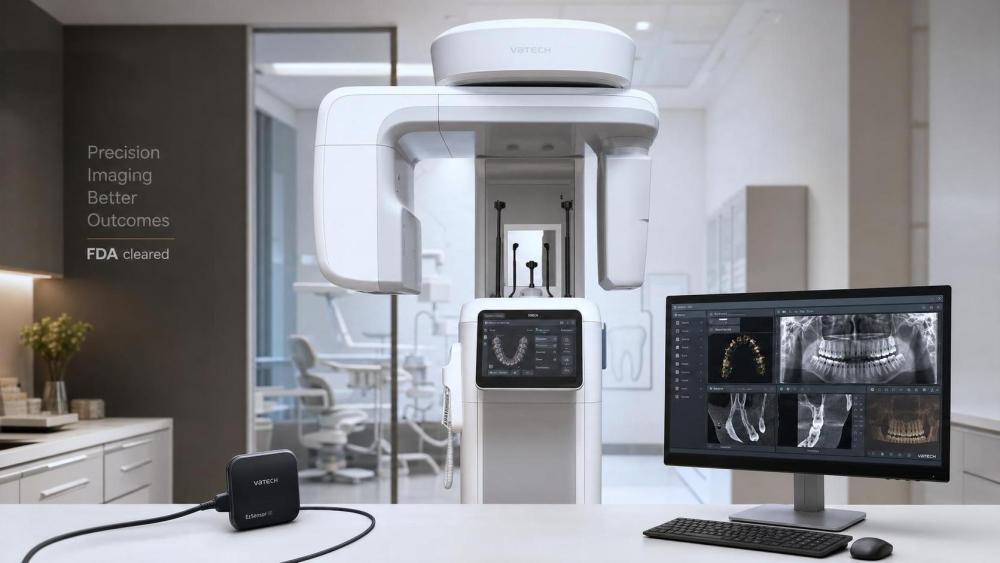
In dental imaging, regulatory language often gets reduced to a sales phrase. That misses the practical point.
When a system is described as dental imaging systems FDA cleared, it signals that the device has passed a defined review pathway for intended use.
That does not mean every model performs the same. It does mean the product entered the market with documented claims, risk controls, and labeling that can be reviewed.
For daily practice, this affects more than compliance comfort. It shapes confidence in installation planning, user training, software updates, and recordkeeping.
A panoramic unit, intraoral sensor, or CBCT platform may all be FDA cleared, yet their workflow impact can differ sharply.
The useful question is not only whether a system is cleared. The better question is what that cleared status actually covers.
This is where structured healthcare intelligence becomes valuable. Platforms such as MTHH help turn technical and commercial details into practical selection criteria.
That matters because imaging procurement is rarely about price alone. It involves clinical fit, service support, software reliability, and long-term operating value.
What does FDA cleared usually tell you about a dental imaging device?
In simple terms, FDA cleared status usually means the manufacturer submitted evidence showing the device is substantially equivalent to a legally marketed product.
For buyers comparing dental imaging systems FDA cleared options, that creates a baseline. The system should have a defined intended use, user instructions, and safety-related documentation.
It may also indicate that image acquisition, radiation-related controls, software functions, and accessory compatibility were reviewed within that submission scope.
Still, clearance is not a universal quality guarantee. It does not automatically confirm better image clarity, easier maintenance, or lower ownership cost.
A more grounded reading is this: FDA clearance reduces uncertainty around market entry, but it does not replace technical evaluation.
In actual selection work, three details deserve attention:
- The exact clinical indications named in the device documentation.
- Whether the cleared configuration matches the version being quoted.
- What software modules, detectors, or accessories are included.
These points are especially relevant when comparing imaging platforms across markets, distributors, or bundled service packages.
How does this affect routine workflow in clinics and dental centers?
The daily effect is more concrete than many expect. Imaging equipment is used repeatedly, often under time pressure, with little room for inconsistency.
When dental imaging systems FDA cleared documentation is clear and complete, teams usually face fewer questions during setup, training, and internal approval.
That can shorten the path from delivery to productive use. It also makes it easier to align device operation with safety procedures and maintenance scheduling.
In practical terms, workflow value often appears in areas like these:
This is why informed procurement often looks beyond a compliance statement and into how the system behaves over years, not weeks.
Are all dental imaging systems FDA cleared options equally suitable?
Not at all. Equal clearance status does not mean equal operational fit.
An intraoral X-ray sensor may suit high-volume restorative work. A CBCT unit may be more relevant when implant planning or complex maxillofacial assessment is routine.
The right choice depends on case mix, room conditions, imaging frequency, and the level of software integration needed.
More advanced platforms can appear attractive because of feature range. Yet underused functions often become hidden cost.
A useful comparison should include:
- Image type required: intraoral, panoramic, cephalometric, or CBCT.
- Dose management tools and positioning support.
- Integration with PACS, imaging software, or practice systems.
- Expected lifespan of sensors, detectors, and accessories.
- Availability of local service, replacement parts, and application support.
This broader view is consistent with how MTHH approaches equipment intelligence across imaging, diagnostics, and hospital technology categories.
The device itself matters, but so do maintenance conditions, documentation readiness, and ongoing usability.
Where do misunderstandings usually happen during selection?
One common mistake is assuming dental imaging systems FDA cleared status answers every regulatory and operational question. It does not.
Another is focusing only on image resolution claims without checking workflow compatibility, user training, and software support terms.
In real projects, trouble often starts in the gaps between technical promise and installation reality.
Needless delays can come from missing shielding review, power requirements, incomplete site preparation, or uncertain network integration.
There is also the documentation issue. A quoted system may be described broadly, while the delivered package has different accessories, software modules, or warranty conditions.
To reduce these risks, it helps to ask for a verification set before commitment:
- Clearance reference and intended use summary.
- Quoted configuration with model numbers.
- Installation conditions and room requirements.
- Service response time and preventive maintenance plan.
- Operator training scope and software support policy.
This is a more reliable path than comparing brochures alone.
What should be reviewed before making a final decision?
A final decision should connect compliance, clinical use, and ownership cost into one picture.
For dental imaging systems FDA cleared choices, the most useful review usually combines technical checks with business checks.
That includes image performance in the intended application, but also uptime risk, support depth, and document control.
Before approval, review these areas carefully:
- Clinical fit: Does the system match the most frequent procedures?
- Operational fit: Can the site support installation, shielding, and user flow?
- Documentation fit: Are manuals, labeling, and validation records available?
- Service fit: Is there dependable maintenance and application support?
- Financial fit: What are the true costs for software, parts, and training over time?
Where several options look similar, a structured comparison sheet often reveals the better choice.
That approach aligns with broader healthcare procurement practice, where risk control and lifecycle value usually outweigh simple upfront pricing.
So what is the practical takeaway for daily practice?
The phrase dental imaging systems FDA cleared should be treated as a starting point, not a finish line.
It helps establish compliance confidence, but the real decision still depends on clinical suitability, installation readiness, training quality, and long-term support.
In routine practice, the best-performing imaging systems are usually the ones that combine clear documentation with stable workflow and service reliability.
A careful next step is to map actual imaging demand, compare cleared configurations, and check whether service and software terms are detailed enough for long-term use.
When that review is structured well, equipment selection becomes less reactive and much easier to defend later.
That is exactly where well-organized healthcare intelligence adds value: it turns technical claims into decisions that hold up in practice.