
Why do surgical gloves need a stricter buying checklist than standard exam gloves?
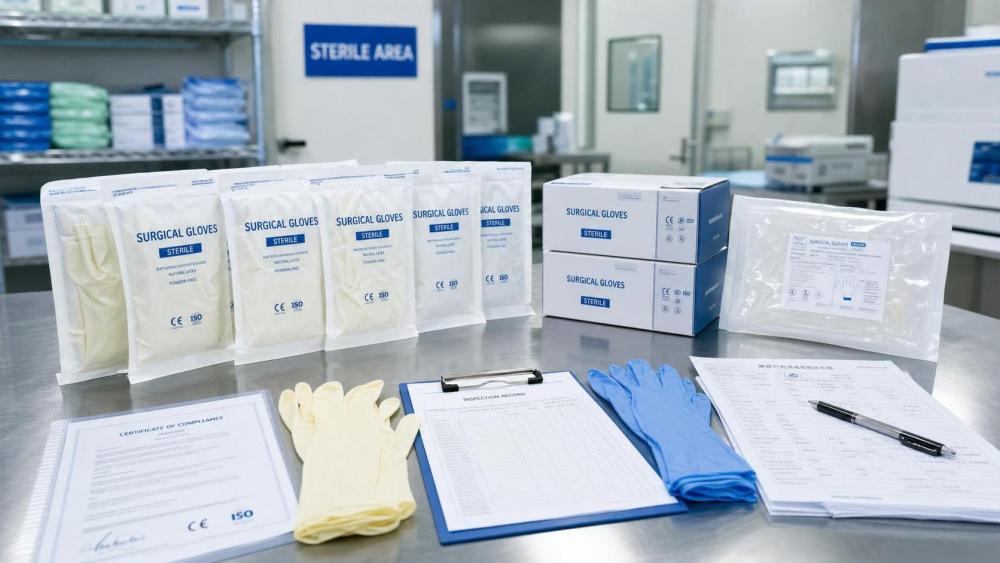
Choosing surgical gloves is rarely a simple price decision.
In actual purchasing work, sterile assurance, packaging integrity, tactile performance, and documentation quality matter just as much as unit cost.
That is why surgical gloves are reviewed differently from general examination gloves.
They are used in invasive procedures, where barrier failure can affect infection control, surgical flow, and patient safety.
A low quoted price can look attractive at first.
However, the real procurement value depends on consistent sizing, sterile pack reliability, acceptable defect rates, and traceable compliance records.
This is also where structured healthcare information becomes useful.
Platforms such as MTHH help turn scattered product claims into a practical comparison process across materials, standards, and supply conditions.
For surgical gloves, the more useful question is not “Which pair is cheapest?”
It is “Which option stays compliant, usable, and available under real operating conditions?”
When does material choice change the risk profile?
Material selection affects comfort, puncture behavior, allergy exposure, and long-case performance.
That means the best surgical gloves depend on both clinical use and institutional risk tolerance.
Latex: still preferred for feel, but not always for policy
Natural rubber latex usually offers excellent elasticity, tactile sensitivity, and fit.
For delicate surgical tasks, this can support precision and reduce hand fatigue.
The limitation is obvious.
Latex allergy concerns remain relevant, especially where repeated exposure affects staff safety policies.
Nitrile: a common answer when allergy control matters
Nitrile surgical gloves are often selected to reduce latex-related sensitization concerns.
They generally perform well in puncture resistance and chemical exposure conditions.
Some users still find them slightly less natural in touch compared with premium latex lines.
That gap has narrowed, but it should be verified by user trials, not brochure claims.
Polyisoprene and neoprene: useful, but often more expensive
These materials are usually considered when a latex-like feel is needed without natural rubber proteins.
They can be appropriate for higher-specification programs, though budget impact must be checked carefully.
A practical buying decision often balances three questions at once: tactile need, allergy policy, and total annual usage.
Which compliance checks should never be skipped before ordering surgical gloves?
This is where many purchasing errors begin.
A glove can look acceptable in a sample review but still create risk if the compliance file is incomplete.
Sterile surgical gloves should be checked as both a product and a documented quality system output.
The following table is a useful screening tool during supplier comparison.
In cross-border procurement, documentation readiness matters even more.
A supplier may offer acceptable gloves, but weak technical files can delay approval, import, or internal release.
That is why healthcare procurement often evaluates paperwork discipline alongside product quality.
How should sterile packaging, sizing, and defects be reviewed in practice?
Many buying teams focus on material first and only later notice usability issues.
In practice, operational complaints often come from packaging failure, inconsistent sizing, or elevated defect rates.
Sterile surgical gloves should be checked from carton arrival to opening at point of use.
- Review outer carton condition after transport, especially for moisture, crushing, or compression damage.
- Check individual sterile pouches for seal uniformity and clean peel behavior.
- Compare actual glove dimensions against declared size ranges across multiple lots.
- Monitor tackiness, tear tendency, cuff rolling, and donning consistency during user evaluation.
- Record defect patterns by lot, not just total complaint volume.
The lot-based review is important.
A single acceptable sample does not guarantee stable production.
More reliable decisions come from repeated checks across shipments, sizes, and storage periods.
This approach fits the broader MTHH logic used in other medical consumables and equipment categories.
Technical claims become more meaningful when matched with workflow evidence and service reliability.
What usually drives total cost beyond the box price?
The quoted price per pair is only the visible part of glove procurement cost.
The less visible costs appear later, often through waste, complaints, replacement demand, or interrupted supply.
Cost usually rises when any of these conditions appear
- High defect rates create extra consumption during setup or gloving.
- Poor fit increases double-gloving rejection and user dissatisfaction.
- Weak packaging causes sterile loss before use.
- Limited size availability leads to substitution and avoidable waste.
- Unstable supply forces emergency purchases at higher prices.
A more useful cost review compares annual usage stability, complaint frequency, and supplier recovery speed.
Lead time also deserves attention.
If surgical gloves depend on imported lots, sterilization scheduling, or narrow raw material channels, replenishment risk may be higher than expected.
When comparing suppliers, ask for safety stock policy, lot release timing, and change notification practice.
Those details often matter more than a small price difference.
Which buying mistakes appear most often, and how can they be avoided?
One common mistake is assuming all sterile surgical gloves are interchangeable.
They are not.
Differences in material formulation, coating, cuff design, packaging quality, and lot consistency can affect real use.
Another mistake is approving a supplier from a single favorable sample lot.
Short trials should be followed by documentation review and repeat lot verification.
Some teams also focus heavily on certification logos without checking whether the underlying documents are current and market-relevant.
A logo is not the same as a complete compliance file.
The safer path is to build a short approval checklist:
- Define critical use conditions before comparing glove materials.
- Request lot-specific documents, not generic brochures.
- Run small user trials across sizes and procedure types.
- Review packaging and shipping durability under local storage conditions.
- Confirm supply continuity, complaint handling, and change control procedures.
This kind of methodical review helps reduce avoidable surprises after contract award.
So what is the smartest next step before final supplier selection?
Start by narrowing the decision to the few glove types that match clinical use, allergy policy, and sterile handling requirements.
Then compare surgical gloves through a balanced lens: material performance, compliance evidence, packaging reliability, and supply resilience.
If two options seem similar, the stronger choice is usually the one with cleaner documentation and more stable delivery history.
In healthcare procurement, consistency often creates more value than an aggressive initial quote.
A practical next move is to build a short comparison sheet for latex, nitrile, or synthetic alternatives, then test those findings against real lot data.
That approach keeps the buying process aligned with safety, compliance, and long-term operating cost.
For organizations using structured healthcare market references like MTHH, this review becomes easier to standardize across consumables and other medical categories.
The goal is not only to buy surgical gloves.
It is to choose an option that remains dependable after approval, shipment, storage, and daily clinical use.