
Operating Room Equipment Modular Design: Planning for Flexibility and Future Upgrades
Why operating room equipment modular planning matters earlier than many projects expect
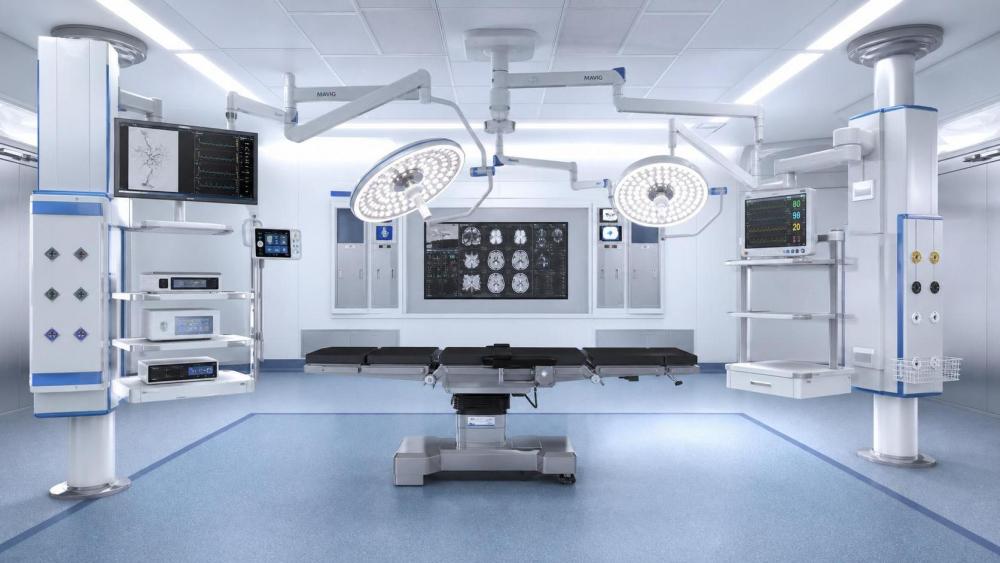
Operating room equipment modular design is no longer a niche planning idea.
It is becoming a practical response to shifting procedure types, digital workflow demands, and tighter renovation windows.
In real projects, the question is rarely whether flexibility is useful.
The harder question is where modularity creates real long-term value and where it only adds cost.
That distinction matters in surgical environments, where operating tables, lights, pendants, gas outlets, imaging support, power distribution, and digital integration affect both workflow and patient safety.
A fixed-room design may look efficient at commissioning.
Yet it often becomes restrictive when a facility adds hybrid capability, changes case mix, or replaces core equipment with larger or smarter systems.
Within healthcare infrastructure analysis, MTHH often frames equipment decisions through clinical use conditions, maintenance realities, compatibility limits, and lifecycle cost.
That perspective is especially relevant for operating room equipment modular planning, because surgical spaces connect architecture, clinical engineering, infection control, and procurement strategy in one room.
The same modular concept behaves differently across surgical settings
Modular planning is often discussed as a universal upgrade path, but actual needs vary sharply by room type.
A general surgery room, a cardiovascular suite, and a day surgery theater do not place the same demands on space, ceiling loading, data connections, or equipment repositioning.
In a standard multi-specialty operating room, modularity usually centers on reconfigurable pendants, flexible lighting positions, adaptable storage, and reserved utility capacity.
The goal is not maximum complexity.
It is smoother turnover between different procedures without repeated room compromises.
Hybrid rooms create a different planning logic.
Here, operating room equipment modular design must account for future imaging upgrades, higher heat loads, shielding conditions, larger cable management zones, and stricter system interoperability.
If those allowances are ignored early, later conversion becomes disruptive and expensive.
Ambulatory surgery settings often focus on another issue.
They need fast throughput, predictable maintenance, and cost discipline.
In that context, modular equipment should simplify service access and standardize room layouts rather than introduce excessive customization.
Different room conditions change the planning priority
This is why direct comparison of operating room equipment modular options should start with room function, not catalog features.
Where flexibility pays off most during upgrades and phased expansion
The strongest case for operating room equipment modular planning usually appears during change, not at first installation.
A facility may add video integration, upgrade anesthesia delivery, expand patient monitoring, or introduce ceiling-mounted support arms years after opening.
If the original design included modular interfaces, spare conduits, standardized mounting zones, and scalable software architecture, those changes are manageable.
Without them, the same upgrade can trigger structural work, room closure, retesting, and workflow disruption.
More projects now treat operating room equipment modular strategies as insurance against uncertain clinical growth.
That does not mean overbuilding every room.
It means preserving future pathways where change is likely.
Examples include additional medical gas positions, reserved network capacity, modular control panels, and ceiling systems designed for accessory substitution rather than full replacement.
This lifecycle view aligns with how MTHH evaluates healthcare technology decisions.
The visible purchase price matters, but long-term room usability, maintenance access, and documentation readiness often shape the real economic outcome.
What to check before choosing an operating room equipment modular layout
A useful operating room equipment modular plan begins with constraints that are easy to overlook.
Ceiling structure, cleanroom requirements, HVAC behavior, cable routing, sterility zones, and service clearance all influence what modularity can actually deliver.
In practice, the most reliable review points are usually these:
- Whether equipment modules can be repositioned without compromising airflow patterns or lighting coverage.
- Whether connectors, rails, booms, and software interfaces follow standards that remain serviceable across brands or generations.
- Whether preventive maintenance can be completed without long room shutdowns.
- Whether spare parts, consumables, and calibration support remain available through the expected service life.
- Whether technical files and installation documentation are clear enough for future modification and compliance review.
These checks matter because modularity fails when the room is physically flexible but operationally fragile.
A movable system that complicates cleaning, delays service, or requires proprietary replacements may create more risk than benefit.
Common misjudgments that weaken a modular operating room strategy
One frequent mistake is treating similar surgical rooms as identical.
Two rooms may share the same footprint but differ in case duration, imaging dependency, equipment density, or staff movement.
The right operating room equipment modular decision for one room can be excessive or insufficient in the next.
Another misjudgment is focusing only on equipment specifications.
Load ratings, arm reach, and monitor size are important, but they do not explain workflow fit, infection control impact, or future compatibility.
There is also a budgeting trap.
Some projects avoid modular features to reduce capital cost, then absorb higher retrofit expenses later.
Others install advanced modular systems everywhere, even where standardized fixed layouts would perform better.
The better judgment is selective flexibility.
Use operating room equipment modular capacity where procedure mix, technology turnover, or phased expansion is genuinely likely.
Keep simpler rooms simpler when predictability is the stronger value.
A practical way to align modular design with procurement and clinical engineering review
The most workable approach is to evaluate the room as a system rather than a list of devices.
That means comparing procedural demand, utility infrastructure, digital integration, maintenance burden, and upgrade probability together.
A structured review can include:
- Map current and expected procedures for each room over five to ten years.
- List equipment likely to change first, especially imaging support, monitors, pendants, and digital integration tools.
- Identify physical constraints that could block future replacement or expansion.
- Review vendor documentation for interoperability, service intervals, training needs, and upgrade pathways.
- Estimate lifecycle cost using downtime, retrofit work, spare part access, and software support, not purchase price alone.
This method reflects the broader value of MTHH-style industry analysis.
Healthcare equipment decisions become clearer when technical performance is read together with room conditions, compliance needs, and operational consequences.
For operating room equipment modular planning, the next useful step is straightforward.
Document actual room scenarios, compare likely upgrade paths, confirm interface limitations, and test whether the proposed flexibility will still make sense after the first major technology change.
That is usually where a modular concept proves its value, or reveals that it was only attractive on paper.
Have questions about the global trade trends discussed here, or planning your expansion and supply chain strategy? Leave a message below and let the trade experts at MTHH guide you.
We respect your privacy. Your information is strictly confidential.
Related News
- How to size medical gas pipelines for peak demandNov 09, 2026Medical gas pipeline systems design starts with peak demand. Learn how to size pipes, calculate pressure loss, and check critical paths for reliable performance.
- What Trendelenburg angle should an operating table provide?Nov 05, 2026Compare operating tables Trendelenburg angles, load limits and accessories. Discover what to check before choosing the right table for your procedures.
- How to estimate the total cost of hospital imaging equipmentNov 04, 2026Plan hospital capital equipment imaging investments with confidence. Learn to estimate installation, service and operating costs and compare bids fairly.
- How to prioritize repairs in a clinical engineering management workflowNov 02, 2026Improve your clinical engineering management workflow with practical repair triage, risk-based priorities, and smarter resource allocation. Learn how.