
Medical Imaging Equipment Selection: Key Specs, Throughput, and Integration Factors
Selecting medical imaging equipment is no longer a simple brand or budget exercise. In practical terms, the right system must match clinical demand, workflow speed, room conditions, digital infrastructure, and long-term service capacity.
That is why medical imaging decisions now sit at the intersection of clinical performance and operational planning. A scanner that looks competitive on paper may still create bottlenecks, integration gaps, or maintenance risk after installation.
Across hospitals, distribution networks, and project planning environments, the most useful evaluations connect technical specifications with real usage conditions. This is where structured industry intelligence becomes valuable, especially when procurement must balance safety, throughput, compliance, and total cost.
Why medical imaging selection deserves closer attention
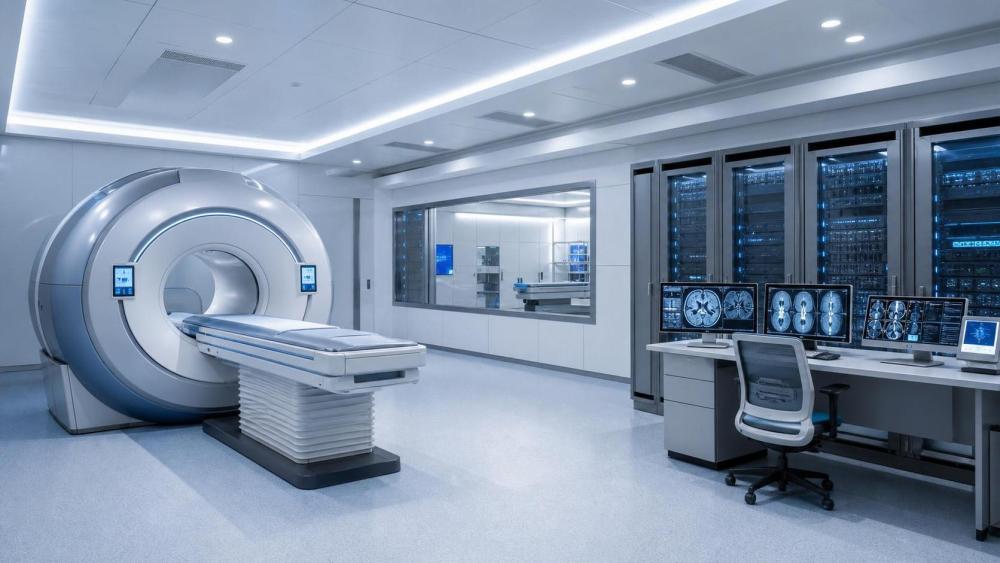
Medical imaging influences diagnosis speed, treatment planning, patient flow, and equipment utilization. In many facilities, imaging is also linked to referral growth, service expansion, and the credibility of a broader care offering.
The challenge is that imaging categories behave very differently. Ultrasound, digital radiography, CT, MRI, mammography, C-arm systems, and dental imaging each bring different demands for space, staffing, software, shielding, cooling, and uptime support.
This makes comparison more complex than a feature checklist. A meaningful decision depends on how the system performs within a real department, not only how it performs in a brochure.
Core specifications that shape equipment value
In medical imaging, specifications matter because they affect both image confidence and operational efficiency. The key is to separate high-value parameters from attractive but secondary features.
Image quality and clinical fit
Image quality should always be judged in context. Resolution, contrast performance, detector sensitivity, reconstruction capability, and artifact control matter only when they support the intended examinations.
For example, emergency CT priorities differ from breast imaging priorities. Likewise, a general ultrasound platform may not satisfy specialized cardiology, vascular, or obstetric workflows without the right probes and software packages.
Dose management and safety controls
Dose optimization remains a major concern in X-ray, CT, fluoroscopy, and mammography. Buyers should look beyond nominal dose claims and review automatic exposure tools, protocol design, detector efficiency, and reporting support.
In practice, safer medical imaging depends on stable performance and trained use. Good hardware without practical dose governance rarely delivers the expected benefit.
System architecture and upgrade path
A platform with modular software, scalable storage, and future upgrade options often provides stronger long-term value. This is especially relevant when service demand may grow or when multi-site standardization is under consideration.
Throughput is more than scan speed
Many equipment comparisons focus on scan time or frame rate. However, throughput in medical imaging is shaped by the entire workflow, from patient preparation to image transfer and reporting availability.
A system may complete a scan quickly but still delay service if positioning is cumbersome, protocols are slow to load, post-processing is manual, or images move poorly into PACS and RIS environments.
This broader view matters for both high-volume hospitals and distributors evaluating portfolio fit. Strong throughput can support referral demand, reduce backlog, and improve room utilization without automatically adding staff.
Integration often determines long-term success
Medical imaging equipment does not operate in isolation. It must connect with hospital information systems, image archives, reporting workflows, cybersecurity policies, and service documentation processes.
DICOM and HL7 compatibility remain essential, but technical compliance alone is not enough. The real question is whether worklists, image routing, user permissions, structured reporting, and storage policies function smoothly in daily use.
Integration also affects future expansion. If a facility plans to add AI applications, teleradiology, enterprise viewers, or multi-site reporting, system openness becomes a serious purchasing factor rather than a secondary preference.
- Confirm interface compatibility with existing PACS, RIS, HIS, and archive environments.
- Review cybersecurity update policy, access control, and vendor patch support.
- Check whether post-processing tools require separate licenses or dedicated workstations.
- Ask how downtime affects image access, reporting continuity, and remote support.
Installation realities and hidden operational constraints
Room readiness can change the economics of medical imaging selection. MRI requires shielding, power stability, cooling, and site planning. CT and X-ray projects may require structural review, radiation protection, and workflow redesign.
Even smaller systems can create problems if ventilation, network capacity, floor loading, or accessory storage were overlooked. Installation delays often come from infrastructure gaps rather than equipment defects.
This is one reason structured pre-purchase review matters. Platforms such as MTHH help organize technical and commercial information so that room planning, documentation readiness, and service expectations are examined earlier.
Different imaging categories, different decision logic
Not every category should be judged with the same criteria. The decision logic shifts according to clinical use, exam volume, reimbursement environment, and service strategy.
Common examples
- Ultrasound often depends on probe selection, software packages, ergonomics, and mobility.
- Digital radiography usually emphasizes detector quality, workflow speed, dose efficiency, and positioning flexibility.
- CT commonly centers on throughput, reconstruction power, dose tools, and emergency readiness.
- MRI often requires careful review of field strength, sequence performance, siting needs, and service cost.
- C-arm and interventional imaging depend heavily on maneuverability, visualization quality, and operating room integration.
A useful evaluation framework compares each category against intended use, not against the broadest possible specification set. That keeps medical imaging investment aligned with actual service delivery.
Looking beyond acquisition price
Price remains important, but it rarely captures full ownership cost. Service contracts, spare parts, software licenses, calibration, downtime exposure, staff training, and consumables can materially change the business case.
In some cases, a lower-cost medical imaging unit becomes more expensive over time because of unstable uptime or limited application support. In other cases, a higher initial investment makes sense because it improves workflow and protects capacity.
This broader commercial view is particularly relevant in cross-border distribution, public procurement, and multi-facility expansion, where documentation quality and service readiness are often as important as technical performance.
A practical path for the next decision
A stronger medical imaging decision usually starts with a structured shortlist of needs. Clinical applications, expected volume, room conditions, data integration, staffing level, and service expectations should be clarified before supplier comparison begins.
From there, it becomes easier to compare meaningful specifications, identify hidden constraints, and ask better questions about uptime, software support, training, and regulatory documentation.
MTHH supports that process by turning complex equipment information into usable evaluation points. For any upcoming project, the next step is not to chase the longest feature list, but to build a decision framework that reflects real clinical and operational conditions.
Have questions about the global trade trends discussed here, or planning your expansion and supply chain strategy? Leave a message below and let the trade experts at MTHH guide you.
We respect your privacy. Your information is strictly confidential.
Related News
- How to choose diagnostic imaging equipment for small clinicsNov 14, 2026Choose diagnostic imaging equipment for clinics with confidence. Compare clinical needs, costs, space, workflows, and supplier support before you buy.
- How to size medical gas pipelines for peak demandNov 09, 2026Medical gas pipeline systems design starts with peak demand. Learn how to size pipes, calculate pressure loss, and check critical paths for reliable performance.
- What Trendelenburg angle should an operating table provide?Nov 05, 2026Compare operating tables Trendelenburg angles, load limits and accessories. Discover what to check before choosing the right table for your procedures.
- How to estimate the total cost of hospital imaging equipmentNov 04, 2026Plan hospital capital equipment imaging investments with confidence. Learn to estimate installation, service and operating costs and compare bids fairly.