
How to Compare Surgical Lights Shadowless Performance in Real OR Use
Why Shadowless Performance Needs Real OR Comparison
Comparing surgical lights shadowless performance in real operating room use goes far beyond reading lux values on a brochure.
A light may look impressive in a catalog, yet lose visual consistency once hands, heads, instruments, and retractors enter the field.
That matters because surgical lighting is tied directly to visibility, workflow rhythm, and error prevention during demanding procedures.
In procurement and technical review, shadow control often reveals more about clinical suitability than peak brightness alone.
For platforms such as MTHH, this is exactly where structured evaluation becomes useful: translating specifications into real operating value.
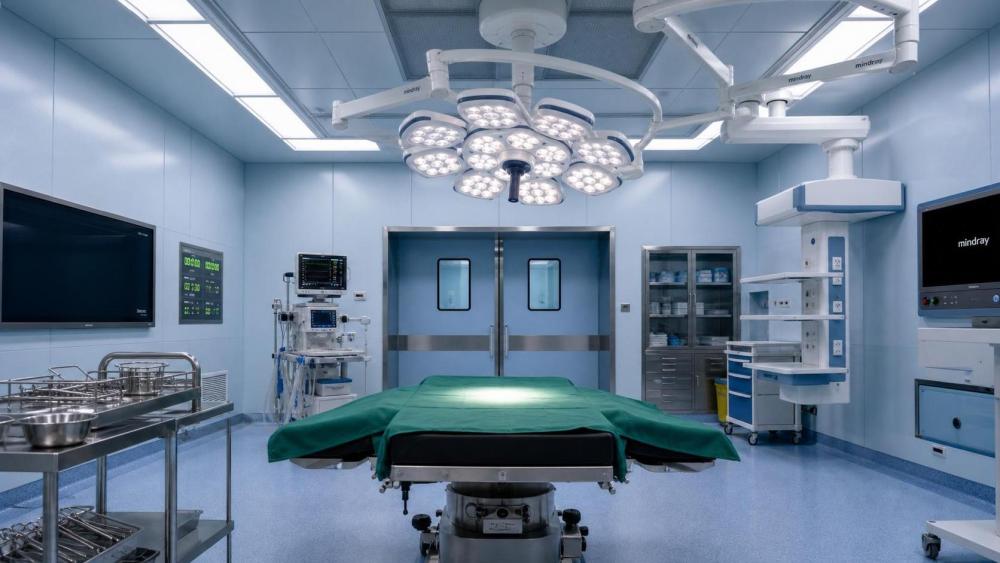
The practical question is simple: when the surgical team moves, does the illuminated area remain clear, deep, and usable without constant repositioning?
What “Shadowless” Really Means in Practice
The term surgical lights shadowless does not mean the total absence of shadows.
In real use, it means the lighting system minimizes obstructive shadows and preserves visibility at the wound site.
This is usually achieved through multi-source light design, overlapping beams, optical shaping, and controlled field depth.
A useful comparison therefore focuses on functional shadow management, not on marketing language.
Good surgical lights shadowless performance shows up when one light path is blocked but the site remains legible from other beam angles.
This becomes especially important in deep cavity work, minimally invasive support, trauma cases, and multi-person procedures.
The difference between brightness and usable visibility
High center illuminance can help, but it does not guarantee stable visibility.
If bright output creates glare, uneven contrast, or edge falloff, the field may still be difficult to read.
That is why technical assessment should treat shadow reduction, field uniformity, and color quality as a linked group.
Why the Industry Is Paying More Attention
Operating rooms are becoming more complex, not less.
Hybrid rooms, crowded ceiling infrastructure, imaging support, and mixed open or minimally invasive workflows create tougher lighting demands.
At the same time, hospitals are looking harder at equipment lifecycle value.
A surgical light that reduces manual adjustment can support turnover efficiency and reduce frustration during long procedures.
This is one reason surgical lights shadowless evaluation now sits closer to clinical engineering and procurement decision-making.
It is no longer enough to ask whether the light turns on and reaches rated output.
The better question is whether performance remains stable under realistic obstruction, positioning, and maintenance conditions.
How to Build a Meaningful Comparison Setup
A fair comparison starts with controlled but realistic test conditions.
Bench testing is useful, yet it should be supplemented by simulated OR positioning and actual user observation.
The test setup should reflect the procedures the room is expected to support.
Key elements to standardize
- Mounting height and arm position
- Working distance from light head to field
- Number of operators blocking the beam
- Use of retractors, instruments, and drapes
- Open surface versus deep cavity targets
- Ambient room lighting and monitor brightness
Without this consistency, two systems may appear different simply because they were positioned differently.
What should be observed directly
Watch how the field responds when one surgeon leans in, then when two people cross light paths.
Check whether the illuminated zone collapses into a bright center with dark edges.
Notice whether the team must keep repositioning the head to restore visibility.
These are practical signs of weak surgical lights shadowless behavior, even if official specifications seem adequate.
The Metrics That Matter Most
A useful review combines visual judgment with measurable indicators.
No single metric explains the whole picture.
For surgical lights shadowless comparison, shadow dilution and depth are often more revealing than raw brightness rankings.
Typical Scenarios Where Differences Become Obvious
Some systems perform similarly in open, shallow cases, then diverge sharply in more demanding settings.
Deep cavity procedures
Depth of illumination and beam overlap become critical.
Weak designs produce bright skin surfaces but poor detail at the bottom of the wound.
Large teams around the table
Multiple heads and arms create repeated beam interruption.
Better surgical lights shadowless systems recover visibility without major arm movement.
Cases with frequent table or light repositioning
If the light field changes too aggressively with distance, stability suffers.
That can slow workflow and increase interruptions during critical moments.
Rooms with imaging and ceiling congestion
Booms, monitors, and imaging devices limit positioning freedom.
A technically strong light head can still underperform if arm geometry is awkward in the room layout.
Beyond the Light Head: Operational Factors That Influence Results
Real OR performance depends on more than optics.
Suspension stability, ease of positioning, handle design, and control response all affect whether shadowless performance is maintained.
If the staff avoid adjusting the light because movement is stiff or imprecise, theoretical optical advantages may never be realized.
Maintenance also matters.
Lens contamination, aging LEDs, calibration drift, and limited service access can degrade surgical lights shadowless consistency over time.
This is why healthcare equipment review should include service documentation, spare parts support, and preventive maintenance expectations.
MTHH’s broader healthcare infrastructure perspective is useful here, because the light must fit both clinical demands and long-term ownership conditions.
How to Read Supplier Claims More Carefully
Supplier material often highlights intensity, lifespan, and energy efficiency.
Those points matter, but they should not overshadow clinical comparison.
A stronger review asks for test methods, not just results.
- Was shadow dilution measured under single or multiple mask conditions?
- At what distance was the field evaluated?
- How was deep cavity performance demonstrated?
- Can the supplier provide OR references with similar room layouts?
- What service commitments support optical consistency after installation?
These questions help separate polished claims from dependable operating performance.
A Practical Decision Framework
When comparing surgical lights shadowless capability, it helps to rank findings in three layers.
Clinical layer
Does the field stay clear during realistic obstruction and procedure movement?
Operational layer
Can the team position and adjust the system quickly without disrupting workflow?
Ownership layer
Will maintenance, training, room fit, and supplier support preserve that performance over time?
This framework keeps evaluation grounded in actual use rather than isolated specifications.
It also supports more balanced procurement choices across hospitals, project planners, distributors, and installation teams.
Where to Go Next
A strong comparison of surgical lights shadowless performance starts with the expected case mix, room constraints, and service model.
From there, build a repeatable test setup, verify supplier claims in realistic conditions, and document how visibility changes under obstruction.
That process usually produces clearer decisions than brightness-based shortlists.
For ongoing evaluation work, the next useful step is to create a scoring sheet that combines optical results, room fit, usability, and lifecycle support.
In surgical lighting, the best choice is rarely the highest number on paper.
It is the system that stays visually reliable when the operating room becomes busy, obstructed, and clinically demanding.
Have questions about the global trade trends discussed here, or planning your expansion and supply chain strategy? Leave a message below and let the trade experts at MTHH guide you.
We respect your privacy. Your information is strictly confidential.
Related News
- What Trendelenburg angle should an operating table provide?Nov 05, 2026Compare operating tables Trendelenburg angles, load limits and accessories. Discover what to check before choosing the right table for your procedures.
- How to estimate the total cost of hospital imaging equipmentNov 04, 2026Plan hospital capital equipment imaging investments with confidence. Learn to estimate installation, service and operating costs and compare bids fairly.
- How to prioritize repairs in a clinical engineering management workflowNov 02, 2026Improve your clinical engineering management workflow with practical repair triage, risk-based priorities, and smarter resource allocation. Learn how.
- What drives the cost of hospital communication systems?Nov 01, 2026Explore the key drivers of hospital communication cost, from installation and integration to licensing and support, and compare supplier proposals with confidence.