
How to Compare Contrast Injection Systems for MRI Safety and Workflow
How to Compare Contrast Injection Systems for MRI Safety and Workflow
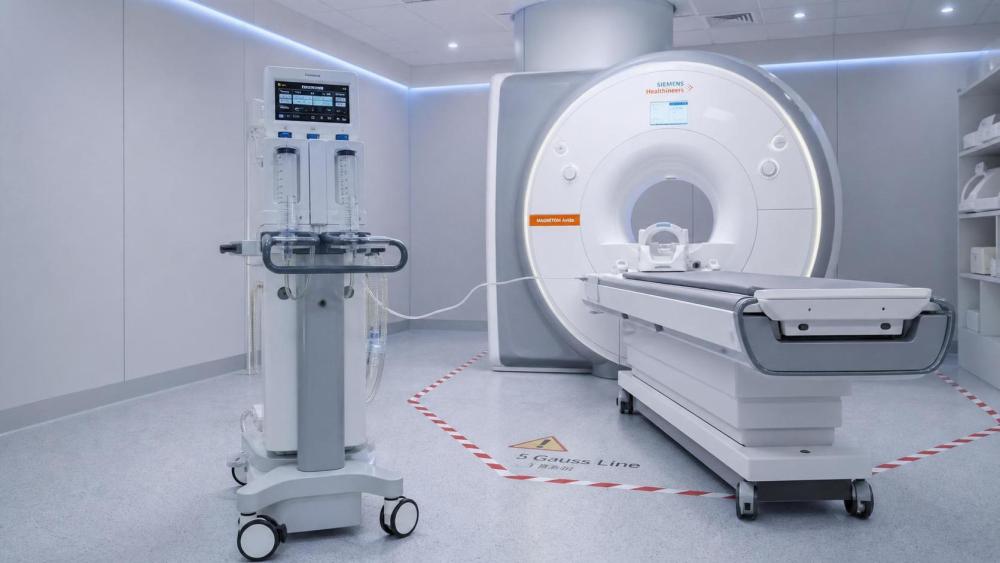
Choosing contrast injection systems MRI teams can trust starts with context, not brochures. Speed matters, but MRI safety and workflow stability matter more over time.
A strong comparison should cover magnet-room safety, injector performance, consumables, interface design, installation needs, and service response.
That wider view helps buyers avoid systems that look competitive on price yet create hidden delays, training gaps, or compliance risk later.
In practice, contrast injection systems MRI departments use every day must fit the scanner, the room layout, and the staff routine.
The most useful evaluation questions are simple. Is the system safe near the magnet, easy to operate, reliable during high-volume use, and serviceable after installation?
Start With MRI Safety Requirements
MRI safety should be the first filter. Every contrast injection system MRI buyers review must be assessed against the magnetic environment before any workflow discussion begins.
Check whether the injector is labeled MR Safe, MR Conditional, or requires specific placement limits. That single detail affects room planning and daily use.
MR Conditional systems often include distance requirements from the bore. If that distance is hard to maintain, staff may face repeated positioning problems.
Also review non-ferromagnetic construction, line routing, emergency stop access, and how the injector behaves during power interruption or alarm conditions.
A practical safety review should include these points:
- MR labeling and field-strength compatibility
- Safe operating distance from 1.5T and 3T systems
- Cable and tubing behavior in the magnet room
- Emergency procedures and lockout logic
- Cleaning, infection control, and spill management
From a procurement view, MRI safety is not a checkbox. It determines whether the system can be deployed smoothly without creating new operating restrictions.
Compare Injection Performance Beyond Maximum Flow Rate
Many product comparisons focus too heavily on top-line flow rate. That is useful, but contrast injection systems MRI sites need consistent delivery, not just headline numbers.
Look at programmable flow range, pressure limits, injection accuracy, and saline flush capability. These factors shape protocol flexibility across routine and advanced studies.
Dual-head designs may support more efficient contrast and saline sequencing. Single-head designs may reduce complexity in lower-volume environments.
Evaluate whether the system supports pediatric, cardiac, neuro, and body MRI protocols without awkward workarounds or excessive manual adjustments.
More importantly, confirm performance under real workloads. A system that performs well in demonstrations may behave differently during repeated daily cycles.
Ask suppliers for evidence on:
- Dose accuracy across flow settings
- Pressure monitoring and alert reliability
- Protocol storage capacity
- Injection consistency across repeated studies
- Data supporting specific clinical applications
This is where a technical review becomes practical. The best contrast injection systems MRI teams adopt usually support standardization, not constant operator correction.
Assess Workflow Fit Inside the MRI Suite
Workflow fit often decides whether staff accept a new injector. Even a safe and accurate system can slow operations if the interface is awkward.
Review how quickly users can load syringes, select protocols, confirm patient parameters, and start the injection process with minimal interruption.
Screen visibility matters as well. Controls should remain readable under typical MRI room lighting and from normal operator positions.
Consider the physical footprint. Large carts may interfere with patient transfer, especially in compact rooms or facilities with older MRI layouts.
In higher-volume departments, seconds matter. Shorter setup time can translate into more predictable scheduling and fewer delays between examinations.
Useful workflow comparison points include:
- Setup steps per patient
- Protocol recall speed
- Alarm clarity and error recovery
- Mobility and parking stability
- Ease of use for rotating staff
When comparing contrast injection systems MRI buyers should observe actual staff interaction, not just vendor claims. Short live trials often reveal more than technical brochures.
Review Consumables, Cost Control, and Supply Stability
Consumables can reshape the total cost picture quickly. The injector price may be reasonable, while disposable sets create long-term budget pressure.
Check syringe kits, tubing sets, spike assemblies, saline accessories, and whether the system depends on brand-specific consumables only.
That dependency matters during shortages. If one supplier controls every disposable item, procurement flexibility becomes limited during market disruption.
Also compare waste levels. Some contrast injection systems MRI departments use leave significant residual contrast after each study, especially with lower-dose protocols.
A sound cost review should include direct and indirect items:
From a decision standpoint, total operating cost is often more revealing than the initial quotation for contrast injection systems MRI facilities are considering.
Check Integration, Documentation, and Service Readiness
Technical evaluators should also examine what happens after delivery. Installation quality and support responsiveness strongly affect long-term system value.
Review available documentation carefully. User manuals, maintenance procedures, MR safety guidance, and training records should be complete and easy to audit.
If the facility expects digital traceability, ask whether the injector supports exam records, protocol export, or integration with imaging workflow systems.
Service coverage deserves equal attention. Some vendors sell widely but support narrowly, which creates expensive downtime in remote or growing markets.
A practical supplier review should include:
- Installation validation process
- Local spare parts availability
- Preventive maintenance intervals
- Remote support capabilities
- Warranty scope and response commitments
This is especially important when comparing contrast injection systems MRI hospitals plan to use across multiple sites or distributed imaging networks.
Build a Decision Framework That Reflects Real Use
A balanced procurement decision should combine safety, clinical usability, operating cost, and supplier capability. Looking at one factor alone usually leads to weak selection.
One useful approach is to score contrast injection systems MRI candidates across weighted categories. That makes internal discussion more objective and easier to document.
- Assign weight to MRI safety and room compatibility.
- Score injection performance against required protocols.
- Measure setup time and operator workflow.
- Calculate annual consumable and service cost.
- Verify training, support, and documentation readiness.
The strongest choice is usually the system that causes the fewest operational compromises while meeting safety and clinical requirements consistently.
For teams comparing contrast injection systems MRI procurement should stay grounded in real workflow evidence, not only technical claims. That approach reduces risk and supports better long-term value.
Before final selection, request a structured demo checklist, validate room-specific safety conditions, and model annual consumable demand. Those three steps usually sharpen the decision quickly.
Have questions about the global trade trends discussed here, or planning your expansion and supply chain strategy? Leave a message below and let the trade experts at MTHH guide you.
We respect your privacy. Your information is strictly confidential.
Related News
- What Trendelenburg angle should an operating table provide?Nov 05, 2026Compare operating tables Trendelenburg angles, load limits and accessories. Discover what to check before choosing the right table for your procedures.
- How to estimate the total cost of hospital imaging equipmentNov 04, 2026Plan hospital capital equipment imaging investments with confidence. Learn to estimate installation, service and operating costs and compare bids fairly.
- How to prioritize repairs in a clinical engineering management workflowNov 02, 2026Improve your clinical engineering management workflow with practical repair triage, risk-based priorities, and smarter resource allocation. Learn how.
- What drives the cost of hospital communication systems?Nov 01, 2026Explore the key drivers of hospital communication cost, from installation and integration to licensing and support, and compare supplier proposals with confidence.