
A low license fee can make an imaging platform look affordable, but it rarely reflects the full medical imaging software cost for hospital procurement teams.
Implementation, PACS and EHR integration, data migration, storage, cybersecurity, staff training, and ongoing support can significantly change the budget, sometimes outweighing the initial software purchase.
Cloud usage charges, upgrades, and contract exit costs also deserve scrutiny. There is no reliable universal percentage to add because scope and charging models vary.
This guide explains the expenses beyond licensing and the supplier questions that help buyers compare total cost of ownership before committing to a clinical platform.
What should your total medical imaging software budget include?
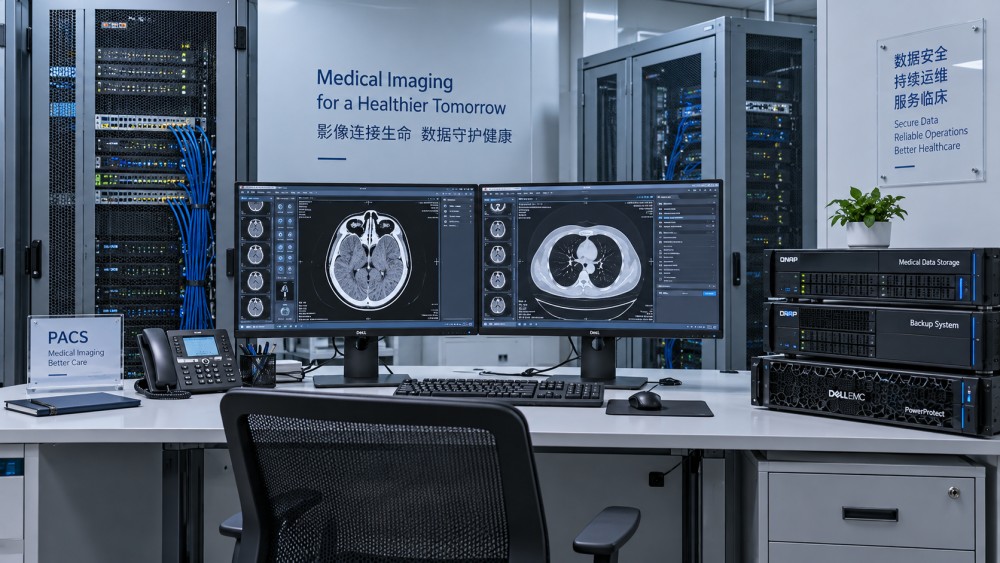
Start with a defined evaluation period, typically five years for procurement comparisons. Include every expense required to deploy, operate, maintain, and eventually replace the system.
First establish what you are buying: a diagnostic viewer, PACS, vendor neutral archive, reporting application, or AI module. Their infrastructure and integration requirements differ substantially.
A viewer connected to an existing archive may need limited storage investment. A complete PACS replacement can require migration, interfaces, resilience planning, and extensive workflow validation.
Calculate five year ownership cost as upfront deployment costs plus recurring operating costs, internal staffing, expected growth, and exit expenses. Subtract only documented discounts or credits.
Record whether each item is included, optional, volume dependent, or excluded. This prevents a low headline quote from being compared with a more complete proposal.
Assign each line to a budget owner. Radiology, IT, cybersecurity, and procurement may fund different components, but all contribute to the same hospital ownership cost.
How much can implementation and integration add?
Implementation charges cover more than installation. Suppliers may bill separately for workflow discovery, configuration, project coordination, modality onboarding, reporting templates, and testing across hospital departments.
Ask for a statement of work that identifies every facility, modality, interface, and workflow. Unspecified requirements often become chargeable changes after the contract is signed.
DICOM support alone does not establish complete interoperability. Confirm the services needed for image transfer, modality worklists, storage commitment, and retrieval in your actual environment.
EHR connectivity may involve HL7 messages, FHIR APIs, patient identity reconciliation, report delivery, and viewer launch. Interface engines or third party vendors can introduce separate fees.
Require suppliers to price interfaces individually and disclose recurring maintenance charges. An interface included at launch may still generate costs when an EHR upgrade changes requirements.
Use acceptance tests based on clinical tasks: matching patient records, delivering reports, retrieving prior studies, and managing failed transfers. Tie milestone payments to agreed results.
Will legacy image migration become a separate project?
Migration costs depend on archive size, source accessibility, metadata quality, and destination requirements. Study count alone cannot reveal how difficult or expensive the transfer will be.
Older archives may contain duplicate records, inconsistent identifiers, proprietary objects, or missing links between images and reports. Resolving these issues requires staff time and specialist support.
Request a sample migration before accepting a final estimate. It should test representative modalities, older studies, annotations, reports, and patient matching against agreed validation criteria.
Clarify whether the quote includes extraction from the incumbent platform, data cleansing, transfer, reconciliation, and exception handling. Separate charges can arise from both outgoing and incoming suppliers.
Budget for temporary parallel operation when clinically necessary. Hospitals may need overlapping subscriptions, extra storage, and staff support while confirming that historical studies remain accessible.
Decide which data must migrate immediately and which can remain in an accessible legacy archive. Include retention obligations and future retrieval costs in that decision.
Is cloud imaging actually cheaper than an on premises system?
Cloud deployment can reduce initial infrastructure spending, but it changes how expenses accumulate. Compare complete operating models using the same clinical workload and service requirements.
Cloud invoices may include storage, compute, study ingestion, retrieval, network transfer, backup copies, and premium support. Some suppliers bundle these items; others charge them separately.
Ask how a billable study is defined, including repeat examinations, imported priors, and rejected uploads. Differences in billing rules can materially affect otherwise similar proposals.
For on premises deployment, include servers, database licenses, virtualization, storage expansion, power, cooling, hardware support, and refresh cycles. Existing infrastructure still consumes capacity and staff resources.
Model image volume by modality and expected annual growth. CT and MRI examinations can create different storage demands from radiography, particularly when acquisition protocols change.
Calculate usable capacity after redundancy, backups, and disaster recovery requirements. Raw disk capacity or the size of one primary archive does not represent the complete requirement.
For cloud proposals, request a sample monthly invoice using your workload. Include normal operations, unusually heavy retrieval, disaster recovery activity, and a future bulk data export.
Which support and cybersecurity costs are easy to miss?
Support pricing should reflect clinical dependence on the platform. A system used continuously for emergency interpretation needs different coverage from an application supporting occasional retrospective analysis.
Distinguish response time from restoration time. A supplier can acknowledge an outage quickly while offering no contractual commitment for restoring image access or reporting functions.
Check whether support covers software only or also databases, integrations, operating systems, and hosted infrastructure. Gaps between vendors can prolong outages and increase hospital coordination costs.
Cybersecurity spending may include identity integration, multifactor authentication, audit logging, vulnerability management, endpoint protection, and security assessments. Responsibilities differ between hosted and locally managed deployments.
Confirm who applies patches, how updates are validated, and whether security fixes require a paid upgrade. Include internal review and testing effort in your budget.
Price backup and recovery against explicit recovery time and recovery point objectives. Request evidence from recovery tests and identify any additional charges for conducting them.
How do training, workflow changes, and upgrades affect ownership cost?
Training costs extend beyond the supplier's classroom fee. Radiologists, technologists, administrators, and IT staff need protected time, while clinical services may require temporary coverage arrangements.
Ask whether the package includes role specific instruction, superuser preparation, onboarding materials, and follow up sessions. Staff turnover creates continuing training needs after initial deployment.
Allow for temporary productivity changes during rollout. New worklists, reporting tools, and image navigation can slow users until configuration and working habits stabilize across teams.
Use a phased deployment where practical, with clear escalation routes and local support. Include supplier attendance during launch if the hospital cannot provide sufficient coverage.
Upgrade costs may include new modules, infrastructure changes, interface adjustments, validation, and retraining. “Upgrades included” should specify both software entitlement and the services needed for deployment.
For AI applications, confirm whether charges depend on examinations processed, algorithms enabled, or sites covered. Budget for workflow evaluation and monitoring appropriate to the intended use.
What does a realistic five year cost comparison look like?
Consider a hypothetical imaging platform with a $40,000 annual subscription. The following example illustrates budgeting mechanics; these figures are assumptions, rather than market price benchmarks.
In this example, costs beyond the subscription total $235,000, exceeding the license expense. The result shows why procurement needs a complete schedule of charges.
Actual proposals may bundle hosting, support, or implementation into the subscription. Remove duplicated items and add omitted requirements before using this model for supplier comparisons.
Run at least three scenarios: expected demand, higher volume, and operational disruption. Apply contractual price increases and volume tiers rather than assuming every expense remains flat.
Keep financial outlays separate from estimated opportunity costs, such as slower reporting during launch. Showing both supports decisions without presenting uncertain productivity estimates as invoices.
What should procurement require before signing?
A defensible purchasing decision needs a complete commercial schedule, measurable service commitments, and an agreed implementation scope. Ask shortlisted suppliers to answer these questions in writing.
- What exactly triggers charges for users, studies, storage, interfaces, additional sites, and optional modules?
- Which deployment tasks are excluded, and what rates apply to changes or additional professional services?
- How are annual increases calculated, and can minimum commitments or pricing tiers change during the term?
- What support coverage, restoration commitments, recovery capabilities, and remedies are included?
- Can the hospital export images, reports, annotations, and metadata in usable formats, and at what cost?
- What assistance and continued access are available when the contract ends or the supplier relationship changes?
Evaluate benefits against current operational problems: delayed access to priors, duplicate examinations, reporting bottlenecks, or excessive administration. Define baseline measures before estimating savings from new software.
The most useful medical imaging software cost comparison connects spending to dependable clinical workflows. A lower price has limited value if essential integration or support remains unfunded.
Choose the proposal with credible implementation assumptions, transparent recurring charges, and manageable growth and exit terms. These details make affordability assessable throughout the system's working life.