
Compact Mobile C-Arm Systems: How to Compare Imaging and Mobility
Compact Mobile C-Arm Systems: How to Compare Imaging and Mobility
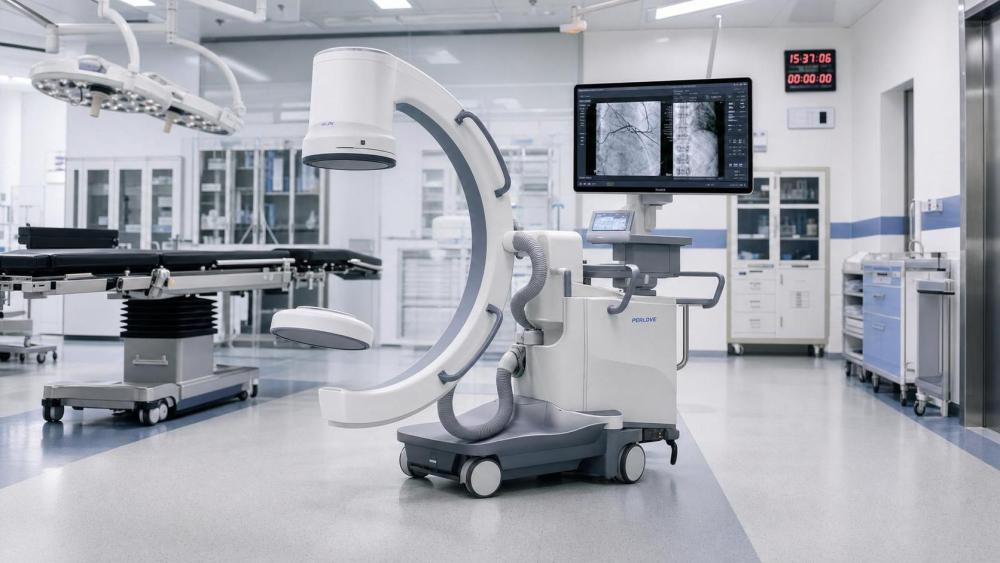
Choosing compact mobile C-arm systems takes more than comparing footprint and price.
A smaller unit may move easily, yet still slow procedures if image quality drops or positioning becomes awkward.
That is why technical evaluation should connect imaging performance with actual room movement, operator workflow, and long-term service demands.
In practical procurement, compact mobile C-arm systems are usually selected for operating rooms, pain management, orthopedics, emergency care, and outpatient intervention areas.
Each setting values mobility, but not in the same way.
A narrow surgical suite may need tight turning radius.
A pain clinic may care more about quick parking, fast startup, and stable fluoroscopy during repetitive procedures.
So the right comparison starts with use conditions, then moves into technical detail.
Start with the Clinical Use Case
Before reviewing specifications, define where the compact mobile C-arm systems will actually be used.
This sounds basic, but it often changes the ranking of options.
For orthopedic trauma, image penetration and field coverage matter more than cosmetic compactness.
For extremity work, a smaller arc and easier repositioning may create better daily efficiency.
For vascular or pain procedures, dose control and smooth fluoroscopy become critical.
Use a short requirement matrix before vendor meetings.
- Procedure types and average case duration
- Room dimensions, door width, and storage constraints
- Required image modes, including fluoroscopy and snapshot capture
- Typical patient size and anatomy range
- Frequency of movement between departments
- Power, network, and display integration needs
Once this is clear, compact mobile C-arm systems can be judged against the real workload instead of marketing language.
Compare Image Quality Beyond Basic Resolution
Image quality is still the core buying issue for compact mobile C-arm systems.
However, resolution alone does not explain whether the system will support confident positioning and procedural decisions.
A better comparison includes detector performance, contrast visibility, motion handling, and consistency across patient sizes.
Key image questions should include the following points.
- How clearly does the system show fine anatomy during low-dose fluoroscopy?
- Does image noise rise sharply in larger patients?
- How stable is brightness when angulation changes?
- Are edge enhancement and image processing adjustable by procedure type?
- How quickly does the monitor refresh during movement?
Flat panel detector models often improve dynamic range and geometric consistency.
Still, not every application needs the same detector class.
For many buyers, the practical question is whether the imaging gain justifies the higher acquisition and service cost.
The most useful test is side-by-side review using representative cases, not brochure screenshots.
Review Dose Management as a Daily Operating Factor
Dose management is now a major decision factor for compact mobile C-arm systems.
The issue is not only compliance.
It directly affects operator behavior, patient exposure, and confidence during longer procedures.
When comparing compact mobile C-arm systems, look for practical controls rather than headline claims.
- Check whether pulsed fluoroscopy settings are easy to access during a case.
- Confirm if pediatric, low-dose, or anatomy-based presets are available.
- Review displayed dose metrics and export capability for records.
- Ask how image quality changes when low-dose modes are activated.
- Verify whether last image hold supports workflow without repeated exposure.
A system with strong dose tools but complex menus may be underused in real life.
That also means usability and dose strategy should be reviewed together.
Assess Mobility with Real Room Conditions
Mobility is where many compact mobile C-arm systems either prove their value or lose it.
On paper, several units may look equally compact.
In a crowded room, the differences become obvious.
Evaluate transport and positioning separately, because they are not the same task.
Transport concerns overall movement between rooms, ramps, elevators, and storage locations.
Positioning concerns fine control around the table and under time pressure.
A short onsite demo in an actual room often reveals more than a technical brochure.
Check Positioning Freedom and Ergonomics
Compact mobile C-arm systems should not sacrifice positioning range for smaller size.
This tradeoff appears more often than many buyers expect.
Review orbital rotation, angulation range, source-to-image distance, and free space around the patient.
These elements shape whether the unit can reach the required views quickly.
Ergonomics also deserves close attention.
Control handles, brake response, monitor articulation, and touch interface layout all influence case flow.
More importantly, poor ergonomics usually increase repeat positioning and unnecessary exposure.
During evaluation, ask operators to perform common positioning steps in sequence.
- Approach the table
- Center the anatomy
- Switch between AP and oblique views
- Lock the arm securely
- Review images without breaking sterile workflow
The smoother these steps feel, the stronger the fit usually is.
Look at Workflow, Connectivity, and Service Support
Compact mobile C-arm systems should be judged as working assets, not only imaging devices.
That means workflow integration and service support are part of the technical decision.
From a procurement perspective, several questions matter immediately.
- How fast is system boot time between cases?
- Can images export easily to PACS or hospital networks?
- Is DICOM workflow mature and configurable?
- What preventive maintenance schedule is required?
- Are spare parts stocked regionally?
- How much application training is included?
A technically strong system can still create problems if downtime support is weak or software updates are slow.
In actual business use, lifecycle cost often separates premium value from low-entry-price risk.
This is especially true for facilities with limited backup imaging capacity.
Build a Practical Comparison Framework
The best way to compare compact mobile C-arm systems is to score them through a weighted evaluation model.
This keeps decisions grounded when several models appear similar.
A simple framework can include five decision blocks.
- Imaging performance under representative clinical conditions
- Dose control usability and exposure management tools
- Mobility, positioning freedom, and ergonomic handling
- Connectivity, data workflow, and training readiness
- Service response, uptime risk, and total cost of ownership
Assign weights based on procedure volume and operational pressure.
High-volume surgical use may favor uptime and maneuverability.
Specialized intervention may place more weight on fluoroscopy stability and dose visibility.
Compact mobile C-arm systems should then be compared with documented demo findings, not memory alone.
A disciplined review usually leads to more defensible purchasing decisions and better long-term operating value.
In the end, the right choice is the system that balances image confidence, movement efficiency, and service reliability in the environment where it will work every day.
Have questions about the global trade trends discussed here, or planning your expansion and supply chain strategy? Leave a message below and let the trade experts at MTHH guide you.
We respect your privacy. Your information is strictly confidential.
Related News
- What Trendelenburg angle should an operating table provide?Nov 05, 2026Compare operating tables Trendelenburg angles, load limits and accessories. Discover what to check before choosing the right table for your procedures.
- How to estimate the total cost of hospital imaging equipmentNov 04, 2026Plan hospital capital equipment imaging investments with confidence. Learn to estimate installation, service and operating costs and compare bids fairly.
- How to prioritize repairs in a clinical engineering management workflowNov 02, 2026Improve your clinical engineering management workflow with practical repair triage, risk-based priorities, and smarter resource allocation. Learn how.
- What drives the cost of hospital communication systems?Nov 01, 2026Explore the key drivers of hospital communication cost, from installation and integration to licensing and support, and compare supplier proposals with confidence.