
Choosing Medical Imaging Equipment for Outpatient Clinics on a Real Budget
Choosing medical imaging equipment for outpatient clinics usually looks like a clinical upgrade on paper. In practice, it is a budget decision that affects utilization, staffing, service contracts, downtime risk, and long-term operating cost.
That is why medical imaging equipment for outpatient clinics should be reviewed as a full ownership decision, not a price comparison. A lower quote can still create higher cost if workflow slows down, maintenance is weak, or compliance preparation is incomplete.
A more reliable approach is to connect clinical demand, room conditions, reimbursement reality, and support capacity before approval. This is also how structured industry platforms such as MTHH help organize technical and commercial questions into a practical review path.
What does a “real budget” actually mean for outpatient imaging?
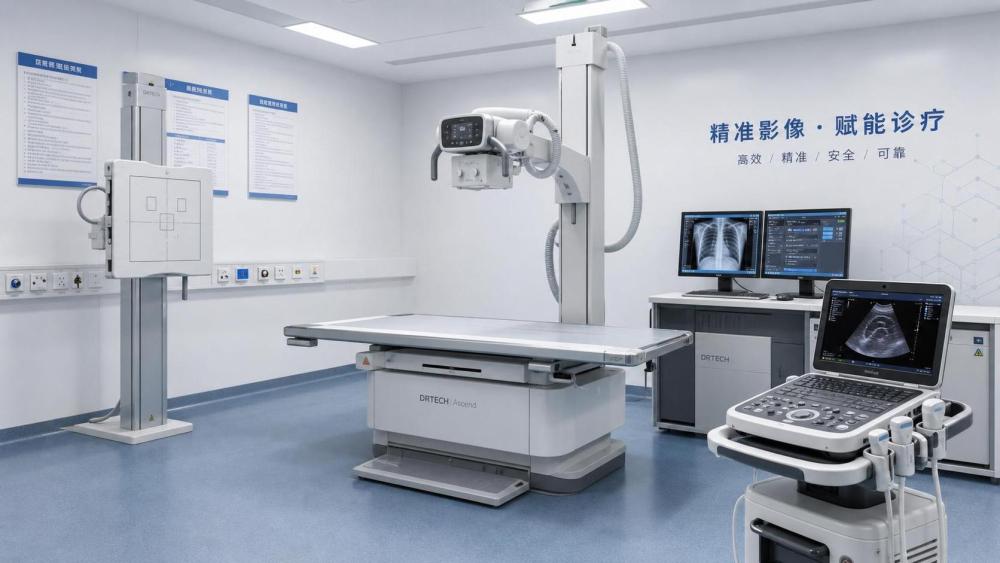
A real budget is not only the amount available for purchase. It includes installation, power requirements, shielding, IT connection, training, consumables, software licenses, preventive maintenance, and expected service response.
For medical imaging equipment for outpatient clinics, cost pressure usually appears after installation. Throughput may be lower than planned, referral patterns may shift, or detector replacement may arrive sooner than expected.
Simple capital approval questions tend to miss these points. A better starting question is this: how many studies per day are realistic, and what level of uptime is required to protect revenue and patient flow?
In smaller outpatient settings, underused capacity can be as damaging as underperformance. Buying a feature-heavy system without enough patient volume often delays payback and reduces operating flexibility.
A quick budgeting frame
This kind of table is often more useful than a brochure. It turns the imaging purchase into a measurable business case instead of a technical wish list.
Which imaging modality usually makes financial sense first?
The answer depends on referral mix, exam frequency, and space. For many outpatient models, ultrasound and digital X-ray are the most common first steps because they require lower capital and simpler installation than CT or MRI.
Ultrasound often works well when the clinic handles musculoskeletal, abdominal, vascular, obstetric, or general point-of-care demand. It offers flexible scheduling and typically lower room preparation cost.
Digital X-ray makes sense when orthopedic, chest, trauma, or routine diagnostic studies are frequent. It becomes more attractive when exam standardization and rapid patient turnover are priorities.
CT and MRI can deliver strong value, but they usually require a more mature referral base, stronger service planning, and clearer assumptions around utilization. If projected volume is uncertain, these systems can strain capital faster than expected.
MTHH often highlights this broader view across diagnostic categories: the right equipment is the one that fits application conditions, workflow demands, and total operating value, not simply the highest specification.
A practical comparison before approval
- Ultrasound: lower entry cost, portable options, operator skill matters heavily.
- Digital X-ray: predictable workflow, room setup needed, detector durability is critical.
- CT: higher throughput potential, stronger power and shielding requirements, service costs rise.
- MRI: premium imaging value, major site and uptime demands, long payback if referrals are weak.
A common mistake is choosing modality by prestige. In outpatient economics, stable volume usually matters more than brand image.
How should medical imaging equipment for outpatient clinics be compared beyond the quote?
A useful comparison starts with workflow. Ask how long a routine exam takes, how many steps require manual adjustment, and how many repeat scans occur under normal use.
Then review image quality in relation to the actual service line. A clinic that performs routine chest and extremity exams does not need the same configuration as a center focused on advanced cross-sectional imaging.
The next checkpoint is integration. Medical imaging equipment for outpatient clinics should connect cleanly with PACS, RIS, EMR, reporting workflows, and local cybersecurity rules. Missing interfaces often become hidden project costs.
Service coverage also deserves a hard review. Response time, remote diagnostics, local engineer availability, parts stock, software updates, and detector replacement policy should all be documented before approval.
More experienced reviewers also compare documentation quality. If manuals, regulatory records, testing documents, or installation requirements are vague, later delays become more likely.
Questions that usually reveal the real difference
- What configuration is included today, and what is sold as an upgrade later?
- How often does preventive maintenance occur, and what is excluded?
- What is the documented average response time for critical downtime?
- Which consumables or proprietary accessories create recurring dependency?
- What training is included for new operators after initial installation?
Where do outpatient imaging projects usually run over budget?
Overruns often start before the equipment arrives. Shielding design, electrical upgrades, floor reinforcement, cooling, and IT networking may be underestimated during early budgeting.
Another pressure point is software. Advanced imaging functions, workstation licenses, dose monitoring tools, and reporting packages are sometimes quoted separately, even when they are essential for routine workflow.
Service surprises are equally common. A low initial warranty may look acceptable until a detector failure, probe replacement, or software issue interrupts clinic scheduling for several days.
There is also a less visible risk: poor fit between equipment complexity and staffing reality. If operators need repeated retraining, exam times rise and patient throughput falls.
This is why medical imaging equipment for outpatient clinics should be reviewed with both technical and commercial discipline. MTHH’s value in this context is the structured framing of maintenance, documentation, compliance, and lifecycle questions that brochures usually skip.
Warning signs worth slowing down for
- The quote looks low because key software modules are missing.
- The vendor has no clear local service path or spare parts timeline.
- Site preparation has not been validated by engineering review.
- Projected volume depends on referrals that are not yet secured.
- Documentation for compliance and installation is still incomplete.
Should a lower-priced system ever win the approval?
Yes, but only when the lower-priced option still protects image quality, uptime, safety, and workflow. A leaner configuration can be the better decision when the clinical scope is clear and patient volume is realistic.
The strongest case for a lower-priced system usually appears in focused outpatient use. Examples include routine ultrasound, standard radiography, or a specialty clinic with stable and predictable imaging demand.
Even then, the cheaper system should not create downstream compromise. If service support is weak, if integration is incomplete, or if consumable dependency is high, the savings may disappear within the first contract cycle.
A sound decision is not about choosing the cheapest unit. It is about choosing the medical imaging equipment for outpatient clinics that meets required performance without importing unnecessary complexity.
A simple approval test
If a system supports the expected study mix, fits the room, integrates with existing systems, and has documented support economics, then lower capital cost can be a valid advantage. If any of those conditions are weak, the price advantage is probably misleading.
What should happen before the final decision is signed?
The final review should combine utilization assumptions, site readiness, service terms, and documentation completeness into one approval file. That prevents isolated decisions based on quote value alone.
It helps to build a short decision sheet covering expected exams per day, target payback period, room modifications, training scope, warranty limits, and downtime contingency. This makes competing offers easier to compare fairly.
For organizations comparing several vendors, structured healthcare information sources can reduce blind spots. MTHH is useful in that stage because it organizes imaging performance, service, compliance, and procurement factors in business language rather than pure technical jargon.
The most durable decisions are usually the least dramatic ones. They match modality to demand, protect operations after installation, and leave enough budget capacity for service continuity.
Before moving ahead, review the actual study mix, confirm room and utility requirements, compare full lifecycle cost, and test service commitments against downtime risk. That is the clearest way to choose medical imaging equipment for outpatient clinics on a real budget.
Have questions about the global trade trends discussed here, or planning your expansion and supply chain strategy? Leave a message below and let the trade experts at MTHH guide you.
We respect your privacy. Your information is strictly confidential.
Related News
- How to choose diagnostic imaging equipment for small clinicsNov 14, 2026Choose diagnostic imaging equipment for clinics with confidence. Compare clinical needs, costs, space, workflows, and supplier support before you buy.
- How to size medical gas pipelines for peak demandNov 09, 2026Medical gas pipeline systems design starts with peak demand. Learn how to size pipes, calculate pressure loss, and check critical paths for reliable performance.
- What Trendelenburg angle should an operating table provide?Nov 05, 2026Compare operating tables Trendelenburg angles, load limits and accessories. Discover what to check before choosing the right table for your procedures.
- How to estimate the total cost of hospital imaging equipmentNov 04, 2026Plan hospital capital equipment imaging investments with confidence. Learn to estimate installation, service and operating costs and compare bids fairly.