
CT Scanners in 2026: Price Trends, Upgrade Cycles, and Market Signals
CT scanners are entering 2026 under tighter financial review than in many previous budget cycles. Pricing is no longer judged only by the quoted system cost. Replacement timing, software lifespan, service exposure, room adaptation, and workflow impact are now central to the discussion.
That shift matters across the broader healthcare equipment market. Imaging demand remains high, yet capital planning is more cautious. For many organizations, the question is not simply whether to buy new CT scanners, but when to upgrade, what level of system is justified, and which market signals deserve attention before committing funds.
Why 2026 looks different for CT scanner buying
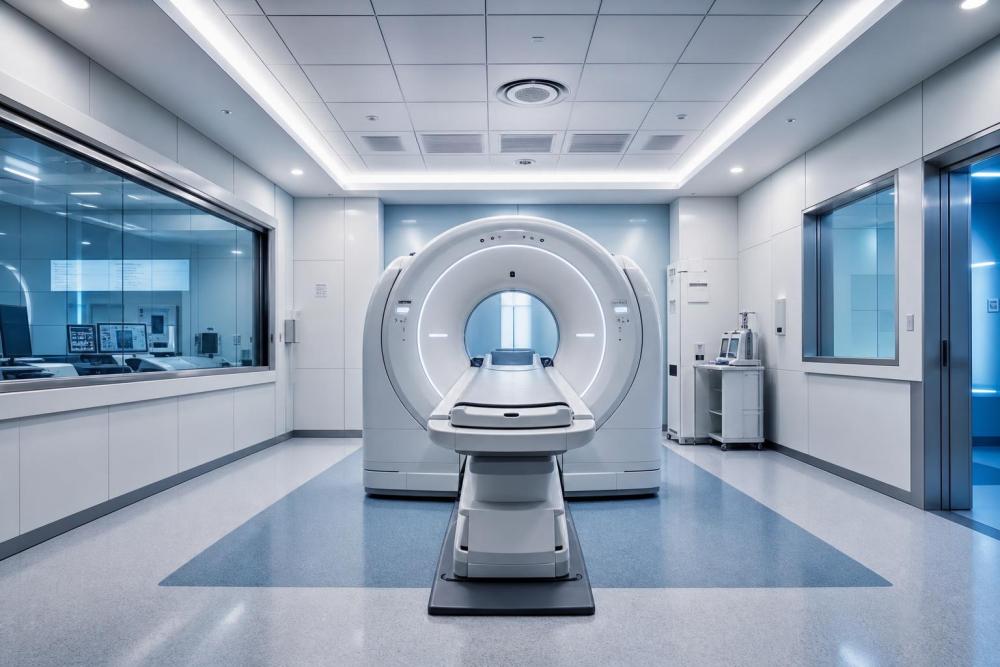
The CT segment sits at the intersection of clinical demand and infrastructure pressure. Emergency imaging, oncology follow-up, trauma care, cardiac assessment, and outpatient diagnostics all continue to depend on dependable CT capacity.
At the same time, older installed systems are aging into a more expensive support phase. Tube replacements, detector issues, discontinued components, and software limitations can turn a seemingly economical asset into a costly operational constraint.
2026 also follows several years of uneven capital spending. Some facilities delayed upgrades during inflation, supply disruptions, or post-pandemic budget recovery. Those delays now compress demand, especially where equipment is clinically usable but commercially inefficient.
This is why CT scanners are being evaluated as long-term operating platforms, not just imaging devices. That perspective aligns with how MTHH approaches medical technology analysis: technical performance must be read together with procurement structure, safety requirements, and lifecycle value.
Price trends are moving beyond the base system
Headline prices for CT scanners may look more stable than buyers expect, especially in mid-tier configurations. Yet the total project cost is becoming less predictable because more value is shifting into software, service, and integration layers.
A scanner that appears competitively priced can still become expensive once dose reduction packages, advanced reconstruction, cardiac applications, AI-enabled workflow tools, cybersecurity updates, and training are included.
Refurbished and factory-reconditioned CT scanners will likely remain active in cost-sensitive markets. They can reduce entry cost, but their economics depend heavily on upgradeability, documentation quality, spare parts access, and service response reliability.
In practical terms, the price trend for 2026 is not a simple rise or fall. It is a widening gap between nominal purchase price and real ownership cost.
Where cost pressure is showing up
Upgrade cycles are becoming more strategic
Many CT scanners remain clinically functional after the point where they stop being strategically efficient. That distinction matters in 2026. A scanner may still produce acceptable images, but slower throughput, older dose management, or limited software support can undermine its business case.
Upgrade cycles are therefore shifting from fixed age-based replacement toward performance-based replacement. Facilities are asking whether the current system still matches patient volume, case mix, reporting speed, and maintenance burden.
This is especially relevant for CT scanners installed during earlier expansion phases. Some were sized for lower workload environments. Others now face increased demand from emergency departments, cancer pathways, or private imaging networks.
Typical triggers for replacement or major upgrade
- Service events are becoming more frequent or harder to predict.
- Tube and detector costs are high relative to residual equipment value.
- Current CT scanners cannot support desired cardiac, trauma, or low-dose protocols.
- Scan time and patient throughput no longer fit the care model.
- Software version limits affect cybersecurity, PACS integration, or post-processing.
- Recruitment and training are easier on newer user interfaces and workflow tools.
In other words, the upgrade cycle is now tied to operational fit. That is a more useful benchmark than age alone.
Technology expectations are influencing price tolerance
The market no longer evaluates CT scanners only by slice count or gantry speed. Buyers increasingly compare image reconstruction quality, dose optimization, workflow automation, motion control, metal artifact reduction, and remote service capability.
That does not mean every site needs a premium scanner. It means technology expectations are more specific. If an imaging center depends on cardiac studies, emergency turnover, or oncology planning, the required configuration may justify a higher budget.
On the other hand, routine outpatient imaging may benefit more from reliability and service predictability than from top-tier specifications. A mismatch between actual case mix and system capability remains one of the most common sources of weak return on investment.
This is where structured market reading becomes useful. MTHH’s focus on diagnostic imaging selection reflects a simple reality: technical features only create value when they fit workflow, staffing, and infrastructure conditions.
Market signals worth watching in 2026
Several signals may shape how CT scanners are priced, positioned, and adopted during 2026. None should be read in isolation, but together they offer a more realistic view of demand.
Competitive pressure in the mid-market
Competition is strongest where hospitals want capable CT scanners without premium platform costs. That can improve negotiating leverage, especially for standard radiology and general hospital use.
Growth in service-led procurement decisions
Procurement reviews are placing more weight on uptime, spare parts planning, remote diagnostics, and engineer availability. Service quality is becoming a differentiator, not a post-sale detail.
Longer scrutiny of refurbishment claims
Refurbished CT scanners may attract demand, but only where records, compliance support, and lifecycle transparency are credible. The market is less tolerant of vague refurbishment standards.
Higher interest in workflow efficiency
Labor constraints continue to affect imaging operations. CT scanners that reduce repeat scans, simplify protocols, or shorten exam turnover may gain commercial advantage even when priced above budget alternatives.
How to evaluate CT scanners in business terms
A sound evaluation framework should connect clinical need with commercial discipline. The most useful comparison is rarely the cheapest quote against the most advanced quote. It is the best-fit option against the cost of underperformance over time.
That means reviewing CT scanners through several linked questions.
- What case mix must the scanner handle over the next five to seven years?
- Which software functions are essential at launch, and which can remain optional?
- How much downtime can the site absorb without revenue loss or patient delay?
- What room, power, cooling, and shielding changes are required?
- How strong is the supplier’s local documentation, training, and service structure?
- Will the selected CT scanners still be supportable when reimbursement or volume patterns change?
This kind of review is particularly important in healthcare procurement because equipment value depends on stability, operator readiness, and long-term support. That is why platforms such as MTHH emphasize organized technical and commercial information rather than price comparison alone.
What to do before a 2026 commitment
Before moving into final negotiations, it helps to separate market noise from operational need. A practical next step is to map existing CT scanners against actual scan volume, protocol range, service history, and room constraints.
After that, compare at least three cost layers: acquisition, installation, and ownership over the expected lifecycle. Include software licensing, training, consumables, maintenance exposure, and support response terms.
For organizations considering either new or refurbished CT scanners, documentation quality should be reviewed early, not late. Technical files, service records, compliance status, and upgrade eligibility often determine whether a lower price is truly usable.
The 2026 market will likely reward disciplined buyers more than aggressive buyers. Clear demand forecasting, realistic workflow assumptions, and structured supplier evaluation provide a stronger basis for decision-making than chasing the lowest visible number.
For the next stage, the most productive move is to build a shortlist around fit, supportability, and operating economics. That creates a more reliable way to judge where CT scanners offer durable value as budgets tighten and expectations rise.
Have questions about the global trade trends discussed here, or planning your expansion and supply chain strategy? Leave a message below and let the trade experts at MTHH guide you.
We respect your privacy. Your information is strictly confidential.
Related News
- How to choose diagnostic imaging equipment for small clinicsNov 14, 2026Choose diagnostic imaging equipment for clinics with confidence. Compare clinical needs, costs, space, workflows, and supplier support before you buy.
- How to size medical gas pipelines for peak demandNov 09, 2026Medical gas pipeline systems design starts with peak demand. Learn how to size pipes, calculate pressure loss, and check critical paths for reliable performance.
- What Trendelenburg angle should an operating table provide?Nov 05, 2026Compare operating tables Trendelenburg angles, load limits and accessories. Discover what to check before choosing the right table for your procedures.
- How to estimate the total cost of hospital imaging equipmentNov 04, 2026Plan hospital capital equipment imaging investments with confidence. Learn to estimate installation, service and operating costs and compare bids fairly.