
How to Choose Ostomy Supplies for Daily Comfort and Skin Protection
Choosing ostomy supplies is not only about convenience. It directly shapes skin condition, pouch security, confidence in movement, and how predictable daily routines feel.
A well-matched system can reduce leaks, extend wear time, and protect fragile peristomal skin. A poor match may lead to itching, lifting edges, pressure marks, or repeated appliance changes.
That is why ostomy supplies deserve the same careful evaluation used for other medical consumables. Across healthcare information platforms such as MTHH, product choice is increasingly viewed through performance, safety, and long-term usability rather than price alone.
What ostomy supplies actually include
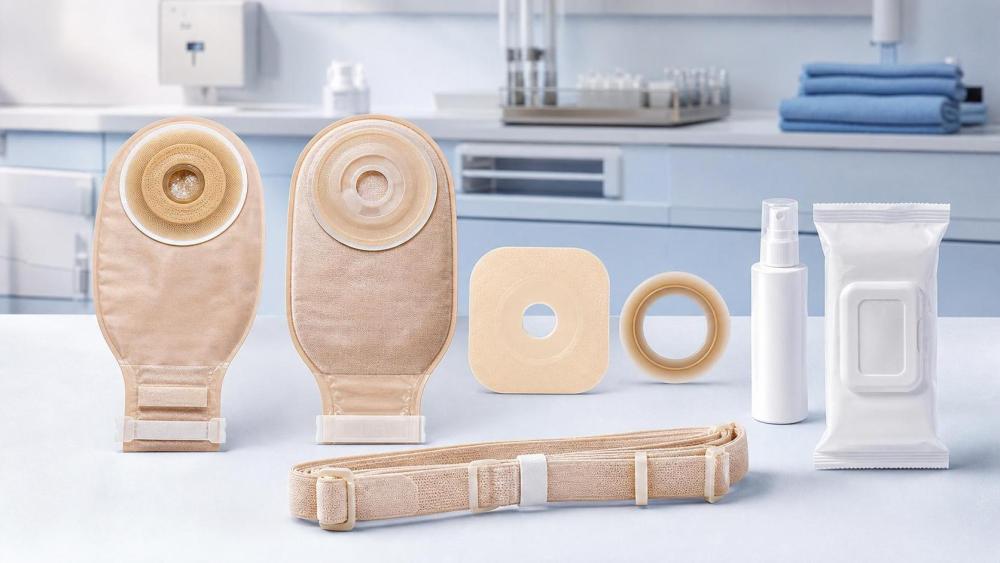
The term covers more than the pouch itself. Most routines depend on a connected set of components that must work together on real skin, under real movement, and across different body shapes.
Core ostomy supplies usually include pouches, skin barriers, adhesive wafers, rings, pastes, belts, deodorizing products, adhesive removers, and cleansing or protective wipes.
Some people need a one-piece system for simplicity. Others prefer a two-piece setup because it allows pouch changes without removing the entire barrier from the skin.
The best combination depends on stoma type, output consistency, abdominal contours, hand strength, wear schedule, and sensitivity to adhesives or moisture.
Why selection matters more than many people expect
Ostomy supplies sit in a category where product performance affects both comfort and health. This is one reason medical consumables are receiving closer attention across healthcare procurement and product evaluation.
In practical terms, small differences matter. Adhesive flexibility, filter behavior, outlet design, and barrier thickness can change how a system performs during walking, sleeping, exercise, or hot weather.
Skin damage often starts gradually. A little redness may become soreness, then breakdown, then shorter wear time. Once that cycle starts, even good ostomy supplies can perform poorly because irritated skin no longer seals well.
From an industry perspective, this fits a broader trend. MTHH often highlights that the value of medical products depends on workflow compatibility, safety conditions, and ongoing support, not only the initial item cost.
Fit comes before brand preference
When comparing ostomy supplies, fit should come first. Even a respected brand may fail if the opening size, barrier shape, or adhesive profile does not match the body.
Stoma size and shape
A barrier opening that is too large exposes skin to output. One that is too tight can rub the stoma and create pressure. Measuring regularly is important, especially after surgery or weight change.
Flat, soft convex, or firm convex barriers
Convexity can help when the stoma is flush, retracted, or placed in a crease. Flat barriers may work well when the stoma protrudes enough and the surrounding area is smooth.
Body contours and movement
Sitting, bending, and twisting change the seal area. Ostomy supplies that look secure while standing may lift at the edges after several hours of movement.
Skin protection is the real performance test
A pouching system may seem acceptable until the skin says otherwise. Healthy peristomal skin should look similar to nearby skin, without persistent redness, broken areas, moisture damage, or burning.
Barrier materials matter here. Some ostomy supplies are designed for standard wear, while others are made for extended wear or higher liquid output.
If skin is easily irritated, fewer accessories may work better than more. Layering paste, powder, barrier film, and rings without a clear reason can create sealing problems.
Adhesive removers also deserve attention. Removing a wafer too quickly can strip the skin, especially when changes are frequent. Gentle removal supports the next seal just as much as the new barrier does.
Common warning signs
- Redness that remains after the pouch change
- Itching under the adhesive
- Frequent leaks near the same edge
- Skin that looks wet, broken, or shiny
- Pain during barrier removal
Different routines need different ostomy supplies
Daily comfort is not a single standard. The right ostomy supplies for office work may not suit sports, travel, high humidity, or irregular meal schedules.
For active days
Low-profile pouches, flexible barriers, and supportive accessories may help reduce drag and movement. Extra adhesion support can matter during sweating or exercise.
For nighttime confidence
Filter performance, pouch capacity, and secure closure design become more important. Some people also prefer softer pouch materials to reduce friction while sleeping.
For travel and public routines
Drainable systems, odor control products, compact disposal supplies, and predictable wear time usually matter more than cosmetic details.
This is where product evaluation becomes practical rather than theoretical. The best ostomy supplies are the ones that remain dependable across normal interruptions, not only under ideal conditions.
How to compare options without getting overwhelmed
Too many choices can make selection harder. A simple comparison method usually works better than chasing every new feature or accessory.
Track one system at a time for several changes. Note wear hours, comfort during movement, skin appearance at removal, ease of emptying, and whether leaks happen in a repeated location.
It also helps to separate product issues from technique issues. Poor drying before application, uneven cutting, or rushed barrier placement can make effective ostomy supplies look unreliable.
MTHH often frames healthcare decisions around documentation and operational value. On a smaller personal scale, the same principle applies: record what works, why it works, and under which conditions it fails.
- Measure the stoma again if leakage patterns change
- Check whether output consistency affects seal breakdown
- Compare one-piece and two-piece systems by routine, not trend
- Review accessory use and remove anything unnecessary
- Document skin condition after each change for one week
What quality signals are worth paying attention to
Not every product claim has equal value. More useful signals include material consistency, clear instructions, lot traceability, reliable packaging, and easy access to technical support or clinical guidance.
For medical consumables, dependable supply matters too. A perfect barrier is less useful if the same specification becomes hard to reorder or frequently changes without clear labeling.
This supply perspective is common in broader healthcare markets. MTHH regularly emphasizes that continuity, documentation, and after-sales support influence product value over time.
In other words, choosing ostomy supplies should include product quality, but also consistency of access and clarity of product information.
A practical way to move forward
A better routine usually starts with a few clear questions. Is the current issue fit, skin tolerance, wear duration, pouch handling, or supply consistency?
Once that is clear, compare ostomy supplies by performance in daily life rather than by packaging promises. Short trials, careful skin checks, and consistent notes often reveal the right direction quickly.
The goal is not to find the most advanced system on paper. It is to build a stable combination that protects skin, fits routine demands, and remains reliable day after day.
That kind of evaluation creates a stronger basis for the next decision, whether the need is a different barrier profile, fewer accessories, longer wear time, or a more dependable source for ostomy supplies.
Have questions about the global trade trends discussed here, or planning your expansion and supply chain strategy? Leave a message below and let the trade experts at MTHH guide you.
We respect your privacy. Your information is strictly confidential.
Related News
- How does order volume affect disposable medical supplies cost?Nov 07, 2026Discover how order volume affects disposable medical supplies cost and learn to balance bulk discounts, storage, expiry risk, and reliable supply.
- How to choose suction consumables in South Africa that fit your pumpOct 29, 2026Buying suction consumables South Africa suppliers offer? Learn how to verify pump compatibility, compare system costs and choose the right fit before ordering.
- How to assess a bandage manufacturer's batch-to-batch consistencyOct 25, 2026Choosing a bandages manufacturer? Learn how to compare production lots, verify test data, and check traceability to reduce sourcing risks and buy with confidence.
- How to verify a surgical gown manufacturer’s barrier level claimsOct 24, 2026Evaluating a surgical gowns manufacturer? Learn how to verify barrier level claims, review test reports, and confirm critical-zone protection before approving your next supplier.