
Laboratory Diagnostic Systems for Hospitals: Common Selection Mistakes to Avoid
Choosing laboratory diagnostic systems for hospitals looks straightforward until the review reaches clinical workflow, reagent dependency, software integration, and maintenance reality. At that point, many early assumptions start to fail.
The most expensive mistake is rarely choosing a poor-looking instrument. It is choosing a system that appears competitive on paper, yet creates hidden cost, downtime, or reporting delays after installation.
That is why laboratory diagnostic systems for hospitals should be evaluated as operational systems, not isolated devices. Accuracy matters, but so do uptime, consumables, training, data flow, and service response.
Why do hospital laboratory projects go off track so early?
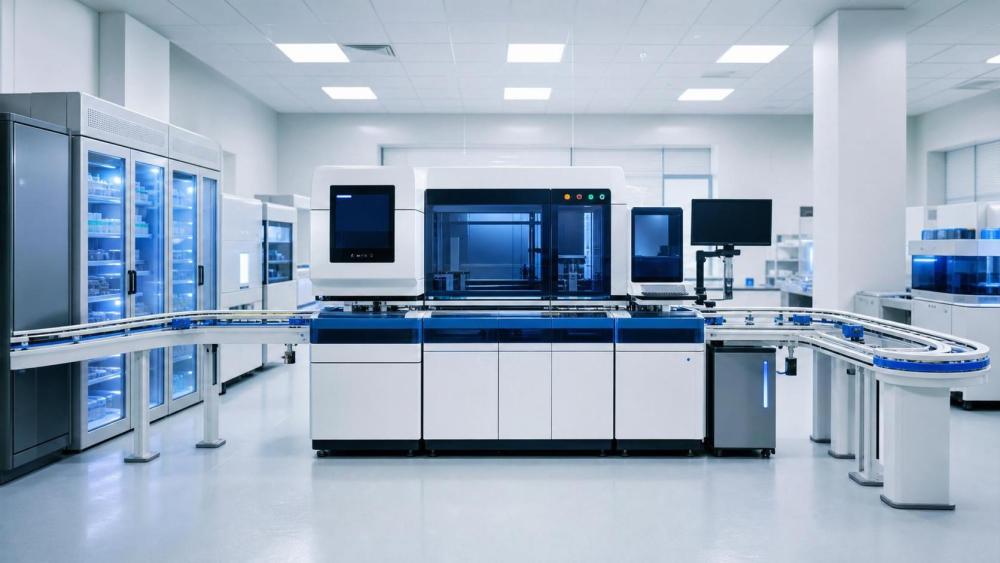
A common problem starts with a narrow specification list. Teams may compare throughput, menu, and purchase price, then assume the best-ranked system will also fit the site.
In practice, laboratory diagnostic systems for hospitals affect pre-analytical handling, sample routing, LIS connectivity, operator workload, reagent storage, and quality control routines. These details reshape total performance.
Another early mistake is treating procurement like general industrial buying. Hospital environments are different. Clinical risk, result reliability, calibration discipline, software support, and documentation readiness must be checked together.
Structured healthcare information platforms such as MTHH are useful here because they help organize both technical and commercial review points before vendor discussions become too advanced.
A better starting question is not, “Which analyzer is cheaper?” It is, “Which system will remain stable under our daily workload, staffing pattern, and service conditions?”
Is higher throughput always the right selection criterion?
Not necessarily. High throughput sounds attractive, especially in expansion projects or new hospital builds, but raw speed can distract from actual utilization patterns.
Some laboratory diagnostic systems for hospitals are oversized for the real test mix. When that happens, reagent waste, underused modules, and higher maintenance obligations can offset any theoretical productivity benefit.
More useful questions include peak-hour load, urgent sample ratio, specialty test demand, and expected growth over three to five years. These reveal whether the system is balanced or simply oversized.
It also helps to distinguish between analyzer speed and workflow speed. A fast instrument can still produce slow reporting if sample preparation, barcode handling, middleware, or result validation remain inefficient.
When comparing options, use a practical filter:
- daily and peak-hour sample volume
- test menu overlap with existing systems
- STAT handling and turnaround targets
- reagent pack size versus actual consumption
- staffing level per shift
- future automation compatibility
In short, the right system is the one that matches workload shape, not just workload volume.
What gets missed when buyers focus too much on instrument price?
Price-led selection remains one of the most frequent mistakes in laboratory projects. The instrument may be competitively priced, but the operating model may be expensive.
Laboratory diagnostic systems for hospitals should be judged by total operating cost. That includes reagents, calibrators, controls, preventive maintenance, spare parts, software licensing, training refresh, and downtime impact.
A lower upfront price can become less attractive if the system uses proprietary consumables, requires frequent service visits, or depends on imported parts with long delivery times.
The table below helps translate common purchasing assumptions into more reliable review criteria.
This is where many hospital reviews improve. Once cost is expanded beyond acquisition, the ranking of candidate systems often changes.
How important are workflow fit and software integration?
They are often more important than brochures suggest. Laboratory diagnostic systems for hospitals sit inside a chain that includes sample collection, accessioning, analysis, validation, and reporting.
If one link is weak, the instrument’s technical strength cannot fully translate into operational value. This is especially true in multisystem laboratories and network hospitals.
A common oversight is assuming that interface availability means seamless integration. In reality, teams need to confirm result routing, error handling, reflex testing logic, barcode rules, and downtime procedures.
The same applies to middleware, auto-verification, and audit trails. These functions influence staffing needs, turnaround consistency, and traceability during inspections.
MTHH’s style of structured equipment review is valuable because it frames laboratory systems within wider hospital infrastructure, not as stand-alone boxes. That viewpoint reduces implementation surprises.
Before approval, it is sensible to request a workflow map covering:
- sample entry to final report
- manual touchpoints per test batch
- interface responsibility between vendor and IT team
- fallback process during analyzer or network failure
What service and compliance questions should never be left until late?
Late-stage projects often discover that technical acceptance is easier than operational readiness. Service planning and compliance review should begin during evaluation, not after award.
For laboratory diagnostic systems for hospitals, support quality depends on more than warranty duration. Response time, remote diagnostics, local stock of spare parts, and engineer certification matter more in daily use.
Documentation should also be reviewed early. That includes installation requirements, operator manuals, preventive maintenance schedules, validation support, and regulatory status for the target market.
It is equally important to confirm reagent continuity. A system that performs well in demonstration can become risky if supply stability is weak or import procedures are unpredictable.
Useful checks include:
- documented preventive maintenance intervals
- average service response and repair closure time
- local training plan for operators and biomedical staff
- reagent shelf life and storage conditions
- validation, calibration, and QC support during go-live
These are not administrative extras. They directly affect uptime, result confidence, and long-term risk exposure.
So how should a safer selection process be structured?
A stronger process usually begins with operational clarity. Define test volumes, turnaround expectations, expansion plans, staffing limits, and interface requirements before requesting final proposals.
Then compare laboratory diagnostic systems for hospitals using a weighted matrix, not a single headline metric. Performance, cost, integration, service, compliance, and site readiness should each receive clear scoring logic.
Vendor demonstrations are useful, but site-specific questions matter more than polished presentations. Ask how the system behaves under interrupted workflow, urgent sample surges, calibration failure, or delayed reagent delivery.
Reference checks also help. Look for installations with similar workload, staffing conditions, and infrastructure constraints. A successful flagship site does not always predict success in a different environment.
The most reliable procurement decisions tend to come from organized review, not faster review. That is the main lesson behind many avoidable mistakes.
When the next evaluation begins, start by mapping clinical demand, total cost, service reality, and data integration together. That approach creates a more defensible shortlist and a smoother implementation path.
Have questions about the global trade trends discussed here, or planning your expansion and supply chain strategy? Leave a message below and let the trade experts at MTHH guide you.
We respect your privacy. Your information is strictly confidential.
Related News
- Abbott Launches Next-Generation Whole-Genome Sequencing Oncodetect MRD TestOct 27, 2026Explore Abbott’s Oncodetect MRD test, using whole-genome sequencing to track up to 5,000 ctDNA variants. Discover key clinical evidence and procurement considerations.
- SCIEX Starts Beijing Plant Project, Danaher's Tenth Manufacturing Site in ChinaOct 24, 2026SCIEX's Beijing plant project marks Danaher's tenth manufacturing site in China. Explore how its RMB 100 million-plus investment could strengthen local mass spectrometer supply.
- How laboratory workflow solutions reduce sample processing delaysOct 23, 2026Discover how laboratory workflow solutions reduce sample processing delays, improve tracking, and streamline reporting. Explore practical steps to cut waiting times without compromising quality.
- How to evaluate a web-based LIMS for lab instrument integrationOct 22, 2026Evaluate a web based LIMS for reliable lab instrument integration. Learn how to verify connectors, test failure recovery, and compare costs before choosing your system.