
Medical Gas Pipeline Systems Cost: Budget Drivers and Hidden Fees
Medical gas pipeline systems cost is rarely defined by pipe and outlet prices alone.
The real budget includes design, compliance, installation access, alarms, source equipment, testing, and service obligations.
That is why early numbers often look manageable, then expand during procurement and construction.
In hospital projects, cost pressure usually comes from scope details, not just material volume.
A practical review of medical gas pipeline systems cost should therefore focus on whole-life value, risk exposure, and hidden fees.
Why Medical Gas Pipeline Systems Cost Varies So Much
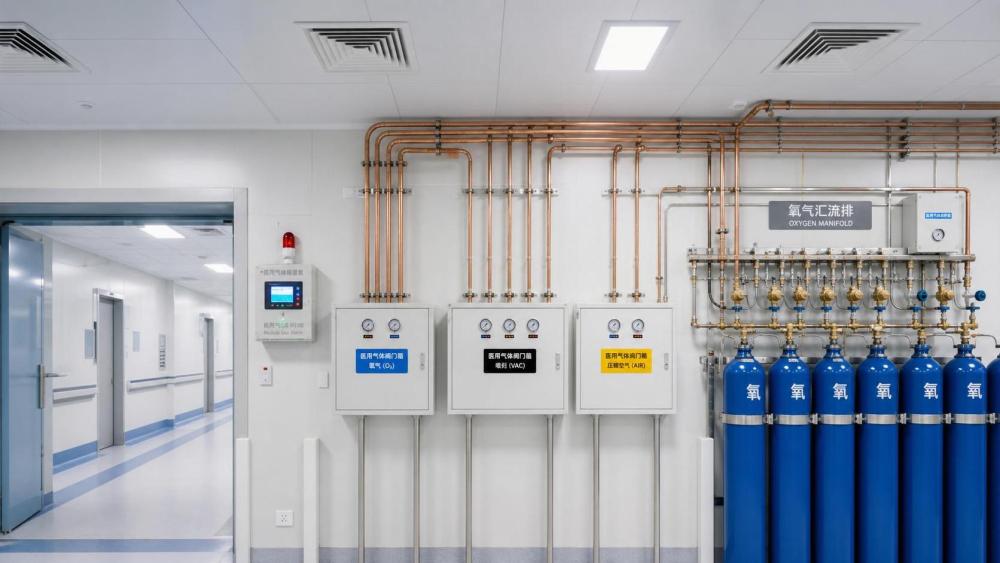
Two hospitals can request similar systems and still receive very different quotations.
The reason is simple.
Medical gas pipeline systems cost depends on layout complexity, clinical areas served, code requirements, and source configuration.
A basic ward extension is very different from a new ICU, operating theater block, or multi-floor surgical building.
More outlets do increase cost.
But route difficulty, shutdown planning, and documentation often affect the final number even more.
From a budgeting view, the key question is not only “How much pipe is needed?”
It is also “What conditions are needed to install, validate, and maintain the system safely?”
- System size affects material, labor, and balancing requirements.
- Department type changes redundancy, alarm, and flow expectations.
- Building age may increase demolition, rerouting, and infection control costs.
- National and hospital standards can require extra testing and reporting.
The Main Budget Drivers Behind Medical Gas Pipeline Systems Cost
Most quotations break the project into several visible categories.
Understanding each one helps prevent under-approval and change-order stress later.
1. Design and engineering
Engineering is often underestimated in medical gas pipeline systems cost.
Yet design quality determines pipe routing, pressure performance, future expansion, and compliance readiness.
If the design package is weak, field revisions can become expensive very quickly.
2. Source equipment and manifolds
Central oxygen, medical air, vacuum, AGSS, and manifold equipment can dominate capital spending.
The system may also require duplex or triplex arrangements for resilience.
This raises purchase cost, but it usually supports safety and continuity goals.
3. Pipework, valves, and outlets
These are the most visible line items.
However, medical gas pipeline systems cost is influenced by copper grade, brazing standards, valve zoning, and outlet specification.
Specialty areas often need more outlets per bed and stricter control arrangements.
4. Alarm and monitoring systems
Master alarms, area alarms, and integration features are easy to overlook during early budgeting.
Still, they are essential to a compliant and clinically useful installation.
When digital monitoring is included, networking and interface costs may also appear.
Hidden Fees That Distort the Initial Budget
This is where many approvals go wrong.
A supplier may present a competitive number, but several necessary costs sit outside the headline figure.
Those hidden items can materially change medical gas pipeline systems cost.
Site preparation and access constraints
Ceiling removal, wall opening, trenching, and reinstatement may be excluded.
So may after-hours labor in active clinical environments.
If infection control barriers are needed, costs rise again.
Testing, certification, and validation
A compliant system needs pressure testing, cross-connection checks, gas identity verification, and final certification.
Independent verification may be billed separately.
This is a common reason the approved budget no longer matches the delivered scope.
Training and handover documentation
Operator guidance, maintenance manuals, as-built drawings, and shutdown procedures all matter.
But they are not always bundled into the base quote.
Warranty limits and service exclusions
Some offers include only limited warranty coverage.
Preventive maintenance visits, spare parts, and emergency response can be extra.
For long-life infrastructure, these exclusions affect total ownership cost more than many buyers expect.
A Simple Cost Review Framework for Better Approval Decisions
A strong approval process does not need to be complicated.
It needs the right questions before procurement is locked.
This framework makes medical gas pipeline systems cost easier to evaluate across suppliers.
More importantly, it helps separate low entry pricing from realistic project value.
How to Compare Quotes Without Missing Total Cost
A lower quotation does not always mean lower medical gas pipeline systems cost.
In practical procurement, quote comparison should focus on scope clarity and downstream financial exposure.
- Ask for a line-by-line inclusion and exclusion schedule.
- Confirm which standards and inspection protocols apply.
- Check whether alarms, controls, and accessories are fully priced.
- Review whether civil restoration and infection control are included.
- Request lifecycle service pricing, not only capital cost.
- Evaluate shutdown risk and continuity planning in live hospitals.
This also supports stronger internal approval notes.
When decision records explain total cost logic, procurement moves faster and disputes are easier to manage.
Long-Term Value Matters More Than the Lowest Entry Price
Medical gas infrastructure is not a short-term purchase.
It supports clinical operations for years, sometimes decades.
That changes how medical gas pipeline systems cost should be judged.
A cheaper system with weak documentation, limited service, or poor expansion planning may cost more over time.
A stronger solution may carry a higher initial figure, yet reduce downtime, compliance risk, and future retrofit expense.
This is especially relevant in ICU upgrades, operating suites, and phased hospital expansions.
In these settings, cost mistakes are difficult to reverse.
The better signal is not the lowest bid.
It is the bid that stays reliable after design review, installation, validation, and early operation.
Final Takeaway for Cost Approval
Medical gas pipeline systems cost should be reviewed as a full infrastructure package, not a materials quote.
The most common budget gaps come from hidden installation conditions, compliance work, commissioning, and service exclusions.
A disciplined quote review can reduce these surprises before approval is finalized.
In actual procurement, the best decision usually balances capital cost, operational safety, and long-term support.
If a proposal makes medical gas pipeline systems cost look unusually low, that is a reason to investigate deeper, not faster.
Use scope clarity, testing requirements, and lifecycle service terms as the final checkpoint before sign-off.