
Medical Device Quality Management Services: What to Check Before Approval
Before approval, a medical device is judged on far more than claimed performance. Medical device quality management services bring structure to that review by checking process control, technical files, risk evidence, supplier oversight, and regulatory readiness.
That matters across the healthcare business chain. A delay in approval can affect launch timing, distributor planning, hospital evaluations, working capital, and long-term market credibility.
For platforms such as MTHH, which organize information on equipment, procurement, infrastructure, and compliance, this topic sits at the center of practical decision-making. Approval preparation shapes not only market entry, but also service quality after installation.
What medical device quality management services actually cover
In simple terms, medical device quality management services help verify whether a product and its supporting system are ready for external review. They connect quality operations with approval expectations.
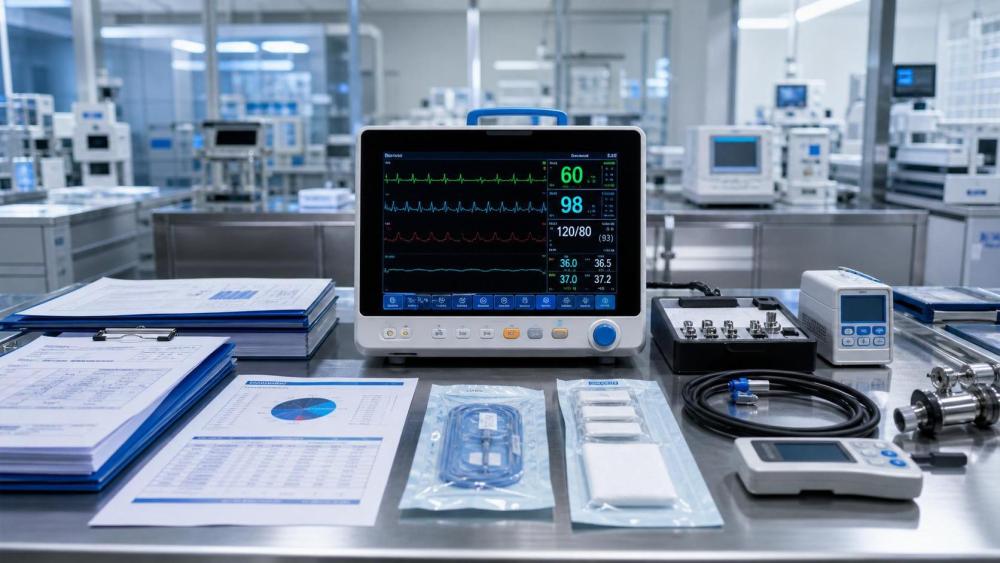
The scope usually includes document control, design history, process validation, complaint handling, CAPA, supplier qualification, training records, labeling review, and post-market planning.
This is relevant for imaging systems, IVD instruments, patient monitors, sterilization equipment, infusion devices, hospital infrastructure products, and software-linked clinical technologies.
The real value is not paperwork for its own sake. It is the ability to show that the device can be built consistently, used safely, and supported responsibly in the target market.
Why approval preparation has become a business issue
Regulatory review has become more detailed, while devices themselves are more connected, software-dependent, and clinically specialized. That combination raises the bar for quality evidence.
A product may still look commercially promising. Yet weak documentation, inconsistent manufacturing controls, or unclear intended use can slow approval even when engineering looks strong.
From a business perspective, the cost of late correction is high. Teams may need repeat testing, revised labeling, supplier changes, or updated clinical support, all under time pressure.
This is why medical device quality management services are no longer a narrow compliance function. They are part of launch planning, market access strategy, and operational risk control.
What to check before approval submission
The most useful reviews focus on evidence quality, not document volume. A large file set does not help if the content is incomplete, inconsistent, or disconnected from actual production.
Intended use and product claims
Approval problems often begin with unclear positioning. Intended use, indications, user environment, and performance claims must align across labeling, technical files, software descriptions, and sales materials.
If a monitor is promoted for high-acuity use, alarm logic, accessory compatibility, and service response expectations must support that claim. The same principle applies to IVD throughput or imaging workflow promises.
Quality management system maturity
Medical device quality management services should examine whether the quality system functions in daily operations, not just during audits. Procedures must be implemented, traceable, and current.
Areas worth checking include change control, deviation handling, training effectiveness, complaint trending, internal audits, CAPA closure discipline, and management review follow-up.
Risk management and usability evidence
Risk files should reflect real use conditions. That means foreseeable misuse, maintenance limitations, cleaning routines, software failure modes, and user interface confusion need practical treatment.
For hospital-facing devices, usability matters because workflow errors can become safety events. Approval reviewers increasingly expect risk controls that match actual clinical environments.
Manufacturing consistency and supplier control
A strong design can still fail approval if production controls are weak. Process validation, calibration status, incoming inspection, traceability, and outsourced component oversight need clear evidence.
This becomes critical for products dependent on sensors, sterile packaging, reagents, batteries, software modules, detectors, and precision assemblies sourced from multiple vendors.
Technical documentation readiness
Technical files should tell one coherent story. Specifications, verification results, clinical rationale, biocompatibility records, EMC data, cybersecurity notes, and labeling drafts must support the same product definition.
When medical device quality management services find contradictions early, teams can correct them before submission instead of during a costly review cycle.
How review priorities change by device category
Not every device faces the same approval pressure points. MTHH’s broad coverage across diagnostics, clinical devices, and hospital systems shows why category context matters.
This category view helps explain why medical device quality management services should be tailored. A generic checklist rarely catches category-specific approval risks.
Signals that a submission may not be ready
In practice, readiness gaps often show up before formal review. These warning signs deserve attention because they usually indicate deeper control problems.
- Different departments use different versions of the product description.
- Test reports do not clearly trace to final design outputs.
- Supplier changes happened without full impact assessment.
- Risk controls exist on paper but not in work instructions.
- Labeling, IFU, and promotional wording make broader claims than the file supports.
- Post-market processes are drafted, but complaint escalation paths remain vague.
When these issues appear together, medical device quality management services should shift from document cleanup to system-level correction.
How structured review supports commercial decisions
Approval readiness is not only relevant to manufacturers. It also affects distribution agreements, procurement confidence, installation timelines, and long-term support obligations.
For example, a distributor evaluating an analyzer range needs more than brochure claims. Documentation status, reagent continuity, training materials, spare part planning, and technical support depth all influence portfolio decisions.
A healthcare institution assessing monitors, sterilizers, or imaging systems also benefits from early quality visibility. Reliable approval preparation often signals stronger service discipline after deployment.
That is where MTHH’s information model is useful. It frames medical technology through performance, safety, workflow, maintenance, and procurement logic rather than price alone.
A practical way to move forward
A sensible next step is to build an approval-readiness map before submission deadlines tighten. That map should connect product claims, regulatory route, quality records, supplier controls, and post-market responsibilities.
Medical device quality management services are most effective when they are used early, especially for devices with software, consumables, clinical workflow impact, or multi-country launch plans.
It is worth reviewing not only whether the device can pass approval, but whether the surrounding system can support hospitals, distributors, and service teams once the product is in use.
That broader view usually leads to better submissions, fewer avoidable delays, and stronger commercial decisions across the healthcare equipment lifecycle.
Have questions about the global trade trends discussed here, or planning your expansion and supply chain strategy? Leave a message below and let the trade experts at MTHH guide you.
We respect your privacy. Your information is strictly confidential.
Related News
- Hong Kong Outlines Medical Device Legislation and Plans for Statutory RegulatorNov 14, 2026Hong Kong medical device legislation could reshape regulatory oversight. Explore the proposed regulator and what businesses should monitor.
- AAMI Issues TIR115 Guidance on Public Cloud Use in Medical DevicesNov 13, 2026AAMI TIR115:2026 guides public cloud use in medical devices. Explore its focus on risk management, supplier assessment and device boundaries.
- How are critical care devices regulated in the United States?Nov 12, 2026Critical care devices face FDA requirements based on intended use and risk. Explore classifications, marketing pathways, and practical compliance checks.
- Hong Kong Drafts Medical Device Bill to Establish Statutory OversightNov 12, 2026Hong Kong's Medical Devices Bill could introduce risk-based statutory oversight. Discover what the proposed framework may mean for suppliers.