
How to Vet a Medical Device Performance Evaluation Supplier for Compliance and Data Reliability
Why Supplier Vetting Matters More Than a Price Comparison
Choosing a medical device performance evaluation supplier is not a routine sourcing task. It affects regulatory confidence, audit readiness, and the credibility of every downstream business decision.
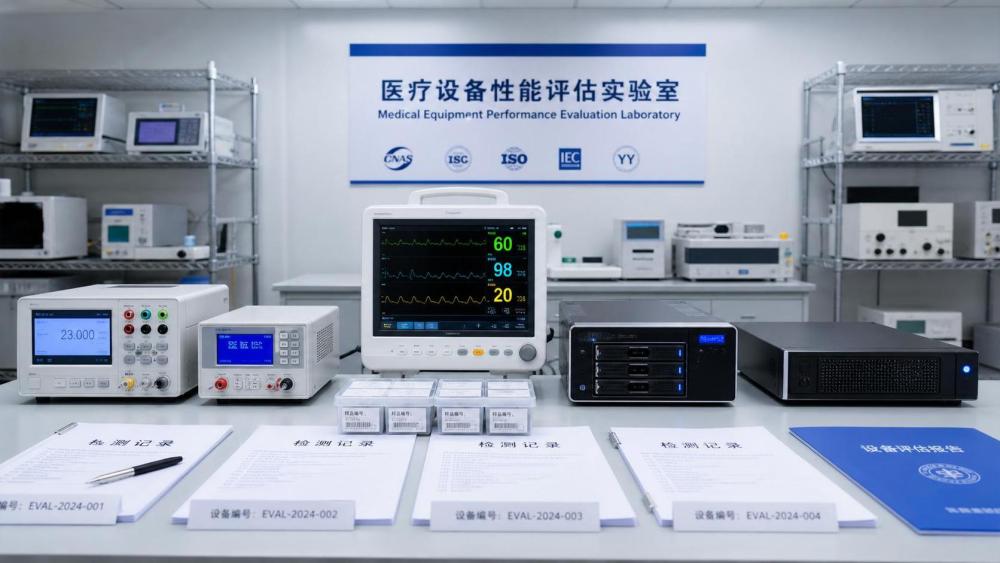
A low-cost proposal can look attractive at first. The real question is whether the supplier can produce evidence that stands up during registration, partner review, tender submission, or post-market scrutiny.
That pressure is growing across imaging, IVD, patient monitoring, infection control, digital hospital systems, and other medical technology categories. Performance claims now need cleaner traceability, stronger controls, and clearer justification.
For organizations comparing products, distributors, or market entry options, supplier quality shapes more than a test report. It influences commercial risk, technical positioning, and long-term trust in the data itself.
This is why the selection of a medical device performance evaluation supplier should be treated as part of quality strategy, not just vendor administration.
What a Qualified Evaluation Supplier Actually Provides
A capable supplier does more than run tests and issue tables. It creates a controlled evaluation process that links methods, acceptance criteria, raw records, deviations, and final conclusions.
In practical terms, a medical device performance evaluation supplier may support bench testing, verification planning, protocol design, analytical studies, electrical or mechanical assessments, software-related evidence, and report compilation.
The exact scope depends on the device. Ultrasound systems, hematology analyzers, infusion pumps, sterilizers, and hospital IT-connected devices all require different methods and different performance indicators.
What matters is consistency between the intended use, the test design, and the final claim. If those three elements do not align, the data may be technically complete but commercially weak.
This is where structured industry platforms such as MTHH are useful. They help decision-makers interpret performance language, compare technical contexts, and understand what evidence should exist before a partnership moves forward.
The Compliance Signals Worth Checking Early
Early screening should focus on whether the supplier works inside a real quality framework. Marketing claims are secondary. Documented controls are the main signal.
A reliable medical device performance evaluation supplier should show relevant quality system discipline, controlled document practices, trained personnel records, and a defined path for handling nonconformities.
- Clear scope of accreditation, certification, or recognized operating standards
- Version-controlled protocols, forms, and reporting templates
- Traceable calibration and maintenance records for test equipment
- Defined sample handling, storage, and chain-of-custody procedures
- Deviation management and corrective action documentation
- Data retention rules that match likely regulatory review periods
None of these items guarantee perfect performance. Together, they indicate whether the supplier understands how evidence is judged in real regulatory and commercial environments.
Data Reliability Is a Process, Not a Claim
Many supplier profiles say their data is accurate and dependable. Those words matter less than the path from sample intake to final report approval.
Data reliability depends on method validation, operator competence, environmental controls, equipment suitability, statistical handling, and disciplined review before release.
For example, an IVD study may fail because reagent lots were poorly controlled. An imaging assessment may become questionable if phantom setup or dose parameters were inconsistent.
A patient monitoring test may look acceptable on summary charts, yet still contain weak alarm-condition documentation. In each case, the weakness is not only technical. It becomes a business risk.
Ask how the medical device performance evaluation supplier protects raw data integrity. That includes audit trails, review checkpoints, change control, backup practices, and restricted access to editable records.
Context Matters Across Device Categories
Not every medical device performance evaluation supplier is suitable for every product line. Capability must match the device category, its use environment, and the target market expectation.
In diagnostic imaging, evaluation credibility often depends on image quality metrics, dose management logic, throughput assumptions, and room-level operating conditions.
In laboratory diagnostics, the focus shifts toward analytical accuracy, reagent dependency, calibration stability, interference handling, and workflow reproducibility.
For bedside equipment and hospital infrastructure, the review may involve alarm performance, environmental durability, electrical safety interfaces, cleaning compatibility, and service-related reliability.
That difference is why generic vendor screening often fails. A supplier may be compliant in one category yet operationally weak in another.
MTHH’s category-based industry coverage is helpful here because it frames evaluation work around real device applications, not abstract supplier claims.
Questions That Expose Real Capability
Good due diligence depends on the quality of the questions. General requests for brochures or sample reports rarely reveal operational discipline.
Method and scope
- Which standards, guidance documents, or internal methods are used?
- How is method suitability confirmed for this device type?
- What acceptance criteria are fixed before testing begins?
Data governance
- How are raw files stored, backed up, and protected from unauthorized edits?
- Who reviews anomalies, and how are changes documented?
- Can source data be retrieved quickly during an audit?
Operational fit
- What is the turnaround time for protocol approval and final reporting?
- How are urgent deviations handled without compromising control?
- Can the supplier support future updates, repeat studies, or post-market reviews?
The answers should be specific. Vague confidence statements usually indicate weak process maturity.
Commercial Value Beyond the Report
A credible medical device performance evaluation supplier supports more than compliance. It also improves internal alignment between technical, regulatory, procurement, and market development teams.
Reliable evaluation data can sharpen product positioning, reduce disputes during distribution review, and strengthen confidence during cross-border registration planning.
It also helps compare true operating value. That is especially relevant when equipment selection involves maintenance burden, consumables, software support, uptime expectations, and service response assumptions.
In other words, the right supplier contributes to better commercial judgment. The wrong one can leave a business with data that is expensive, slow, and difficult to defend.
A Practical Next Step for Supplier Selection
Start with a short evaluation matrix. Include device category fit, compliance controls, data governance, reporting clarity, turnaround reliability, and support for future reviews.
Then compare each medical device performance evaluation supplier against the same evidence requirements. This reduces the risk of choosing based on presentation quality alone.
Where technical context is complex, structured reference sources such as MTHH can help clarify which performance indicators and documentation points deserve the closest attention.
The strongest decision usually comes from combining category knowledge with disciplined supplier vetting. That approach makes compliance more manageable and makes the data far more useful after the report is issued.
Have questions about the global trade trends discussed here, or planning your expansion and supply chain strategy? Leave a message below and let the trade experts at MTHH guide you.
We respect your privacy. Your information is strictly confidential.
Related News
- Hong Kong Outlines Medical Device Legislation and Plans for Statutory RegulatorNov 14, 2026Hong Kong medical device legislation could reshape regulatory oversight. Explore the proposed regulator and what businesses should monitor.
- AAMI Issues TIR115 Guidance on Public Cloud Use in Medical DevicesNov 13, 2026AAMI TIR115:2026 guides public cloud use in medical devices. Explore its focus on risk management, supplier assessment and device boundaries.
- How are critical care devices regulated in the United States?Nov 12, 2026Critical care devices face FDA requirements based on intended use and risk. Explore classifications, marketing pathways, and practical compliance checks.
- Hong Kong Drafts Medical Device Bill to Establish Statutory OversightNov 12, 2026Hong Kong's Medical Devices Bill could introduce risk-based statutory oversight. Discover what the proposed framework may mean for suppliers.