
Hong Kong to Launch Device Regulator in 2026
On June 11, 2026, Hong Kong announced that it will formally establish a dedicated drugs and medical devices regulatory center in 2026, introducing an approval path based on local clinical trial data rather than relying on a secondary review tied to prior FDA or EMA clearance. For medical device exporters, certification teams, market access planners, distributors, and procurement-related functions, this is worth watching because it points to a rule change in how compliance recognition may be built and used in cross-border market entry.
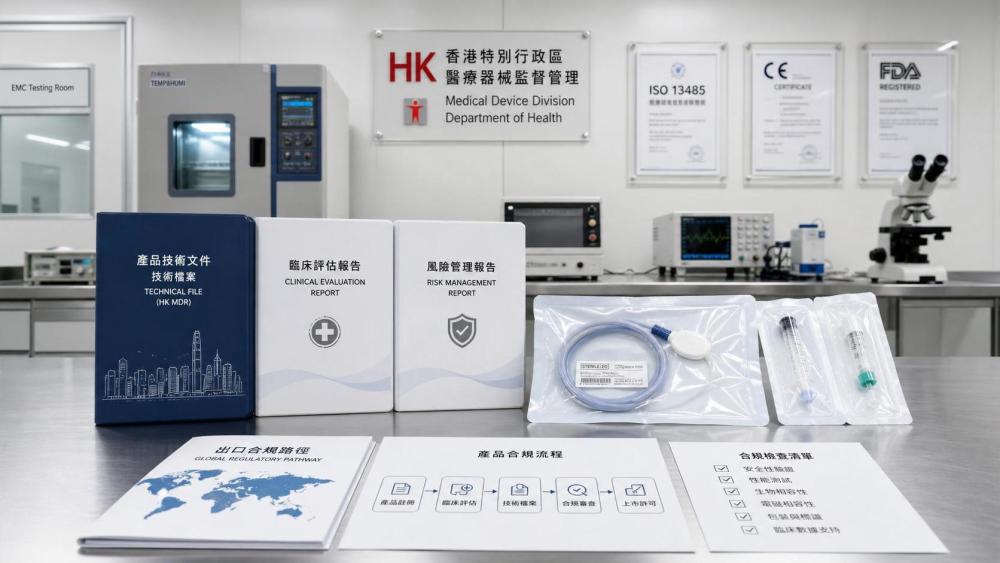
A Shift Away From Secondary Overseas Dependence
The confirmed information is limited but clear on the core change. The Hong Kong Special Administrative Region government said it will set up the “Centre for Drug and Medical Device Regulation” in 2026. According to the event summary, the new arrangement will allow independent approval based on local clinical trial data, replacing the long-standing pattern in which approval depended on prior authorization from overseas regulators such as the FDA or EMA.
The same summary states that this change is expected to provide Chinese medical device companies with a more efficient compliant export route. It also indicates that a Hong Kong registration certificate may serve as internationally recognized support for market entry, helping accelerate access to more than 30 markets in Southeast Asia, the Middle East, and other regions, while working in coordination with Greater Bay Area policies to shorten overseas access timelines.
Where the Pressure Points May Shift in Market Access
For exporters mapping overseas registrations
Analysis shows this development matters most for companies that sequence approvals across multiple markets. If a Hong Kong registration certificate is increasingly treated as a useful compliance reference, exporters may need to reassess the order in which they prepare submissions, clinical evidence, and product files. The practical impact would be concentrated in registration planning, dossier preparation, and the timing of launch decisions for external markets.
For manufacturers and compliance documentation teams
From an industry perspective, the main implication is not only faster filing potential but also a possible change in document readiness. Teams responsible for technical files, test reports, clinical materials, and traceable product records may need to pay closer attention to whether documentation prepared for Hong Kong can also support tenders, distributor onboarding, or regulator-facing reviews in other markets. At this stage, the detailed execution standard is not provided, so this remains an area to monitor rather than a settled requirement.
For distributors, channel partners, and procurement-facing roles
Observably, distributors and procurement-linked participants may also be affected if buyers begin to treat Hong Kong approval status as an additional compliance signal. This could influence supplier qualification reviews, document requests, and delivery scheduling discussions. What deserves closer attention is whether future bidding documents, partner due diligence checklists, or importer compliance requests begin to reflect this regulatory change in practical terms.
For testing, certification, and service support functions
Testing service providers, certification-related firms, and after-sales support teams may see changes in workflow if manufacturers adjust their export pathway around Hong Kong registration. The likely impact area would be the coordination of evidence packages, post-registration service records, and quality traceability materials used in external market access and follow-up compliance reviews. Analysis shows this is a process implication, not yet a confirmed market-wide operating standard.
What Companies Should Track Before Treating It as a New Entry Route
Watch the official execution language
It is more appropriate to understand this announcement as a strong regulatory signal, while still watching for the formal wording that will define scope, procedures, and recognition practice. Companies should focus on how the future official language describes approval conditions, acceptable clinical support, and the status of certificates in outward-facing trade and registration use.
Review whether existing technical files are fit for reuse
Analysis shows companies with active export plans should compare current technical documents, testing materials, and clinical evidence against the likely needs of a Hong Kong-based review route. The issue is not simply whether documents exist, but whether they are organized in a form that supports both local approval and subsequent cross-market submission use.
Reassess market sequencing and delivery planning
If Hong Kong becomes a practical compliance bridge for entry into Southeast Asia, the Middle East, and other markets noted in the summary, exporters may need to revisit launch sequencing, distributor commitments, and delivery schedules. At present, this should be handled as a planning review, because the summary does not provide detailed execution timetables or destination-market acceptance rules.
Keep after-sales and traceability capabilities aligned
Where certification status is used as part of market access support, post-sale service records and product traceability may gain more operational importance. From an industry perspective, companies should pay attention to whether future buyers, regulators, or channel partners request a more complete compliance chain tied to registration, delivery, and quality follow-up.
Why This Looks Like a Practical Signal, Not Yet the Final Rulebook
Analysis shows the most important meaning of this development is institutional rather than promotional. The creation of an independent regulatory center and the move toward local clinical-data-based approval indicate that Hong Kong is setting up a more self-contained device review mechanism. For Chinese medical device companies, that may create a new compliance reference point in export strategy.
At the same time, it is more appropriate to understand this as a rule-direction signal with implementation value, rather than as a fully completed market outcome. Industry participants still need to observe how certification recognition is applied in practice, how external markets respond, and whether procurement, tender, or distributor requirements begin to change accordingly.
How the Market Should Read This Stage
A cautious reading is the most useful one. The confirmed change is the planned establishment of Hong Kong’s independent regulatory center in 2026 and the policy direction toward approval based on local clinical trial data. The broader commercial value described in the summary suggests a shorter and more usable compliance path for Chinese device exporters, but the exact pace of rule landing, certificate usage, and market acceptance still requires follow-up observation.
For that reason, this development is best understood as a meaningful execution signal for market access planning, document preparation, and export pathway design, while not yet serving as a complete substitute for destination-market compliance review.
Basis of This Article
This article is generated from the user-provided news title, event date, and event summary. The analysis is limited to the confirmed facts supplied in the input and does not add unverified policy numbers, company cases, market data, or external institutional details.
For events of this kind, commonly relevant source categories may include official government announcements, regulatory authority releases, customs or trade administration updates, industry association notices, standards organization documents, and reporting from established media outlets. A specific official source link was not provided in the input, so it still needs to be verified on an ongoing basis.
What deserves closer attention next includes future policy details, approval implementation language, certificate recognition practice, tender document changes, market feedback, and how companies actually adjust their registration and export execution.
Have questions about the global trade trends discussed here, or planning your expansion and supply chain strategy? Leave a message below and let the trade experts at MTHH guide you.
We respect your privacy. Your information is strictly confidential.
Related News
- Hong Kong Outlines Medical Device Legislation and Plans for Statutory RegulatorNov 14, 2026Hong Kong medical device legislation could reshape regulatory oversight. Explore the proposed regulator and what businesses should monitor.
- AAMI Issues TIR115 Guidance on Public Cloud Use in Medical DevicesNov 13, 2026AAMI TIR115:2026 guides public cloud use in medical devices. Explore its focus on risk management, supplier assessment and device boundaries.
- How are critical care devices regulated in the United States?Nov 12, 2026Critical care devices face FDA requirements based on intended use and risk. Explore classifications, marketing pathways, and practical compliance checks.
- Hong Kong Drafts Medical Device Bill to Establish Statutory OversightNov 12, 2026Hong Kong's Medical Devices Bill could introduce risk-based statutory oversight. Discover what the proposed framework may mean for suppliers.