
Digital Health Infrastructure Clinics Need for Scalable Daily Operations
Why digital health infrastructure clinics depend on changes with daily workload
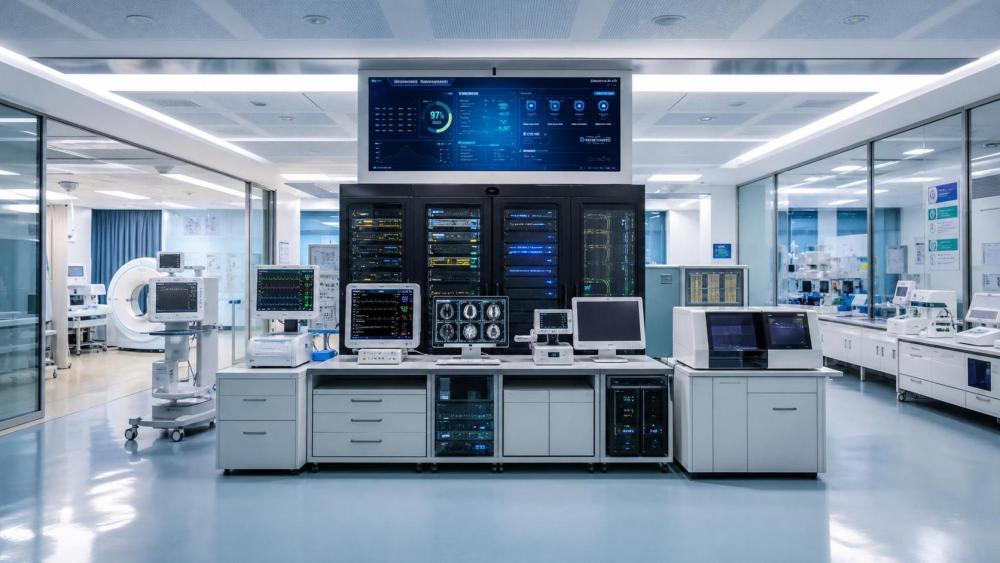
Digital health infrastructure clinics use is no longer a back-office topic. It shapes patient flow, device uptime, data access, and the pace of routine care.
When a clinic adds imaging, point-of-care testing, remote follow-up, or multi-site scheduling, the infrastructure burden changes immediately. The same network design rarely fits every setting.
In practice, scalable daily operations depend on more than software selection. Reliable digital health infrastructure clinics need must connect equipment, support documentation, and reduce workflow friction.
That is why healthcare infrastructure decisions are increasingly reviewed alongside clinical engineering, procurement planning, service support, and long-term maintenance risk.
Across medical technology markets, MTHH highlights this broader view. Equipment value is judged by fit, reliability, serviceability, and operational context, not by isolated specifications.
The real difference appears when clinics do not all work the same way
A primary care clinic, a diagnostic center, and an outpatient surgical facility may all discuss digital transformation, but they carry very different operational pressures.
Some locations need fast registration and clean handoff between consultation rooms. Others depend on image transfer, analyzer connectivity, alarm routing, or stable reporting turnaround.
This is where digital health infrastructure clinics require should be judged by workflow intensity. The main question is not which platform looks modern, but what daily bottleneck it must remove.
A site with frequent walk-ins usually values queue visibility and record retrieval speed. A specialty clinic may care more about device interoperability and documentation traceability.
Facilities handling regulated diagnostic data often need stronger audit trails, middleware compatibility, and backup routines. These details influence procurement choices earlier than many teams expect.
Different operating models shift the infrastructure baseline
Digital health infrastructure clinics rely on must reflect service mix, room layout, staffing pattern, and equipment density. A small footprint does not always mean simple infrastructure.
Compact clinics often have limited room for cable routing, server placement, sterilization workflows, or future expansion. That makes early infrastructure mapping more important, not less.
Where consultation-heavy clinics usually place the priority
In consultation-focused environments, the most visible failure is delay. Slow check-in, fragmented notes, and poor coordination between front desk and clinical rooms reduce daily capacity quickly.
Here, digital health infrastructure clinics need should support scheduling, patient identification, document access, and basic device data capture without forcing repeated manual entry.
The better judgment point is workflow continuity. Can data move from appointment booking to consultation, e-prescription, billing, and follow-up without creating duplicate tasks?
In these settings, flashy analytics matter less than stable daily responsiveness. Downtime during busy hours often costs more than a missing advanced feature.
- Fast user login and role-based access for rotating staff
- Reliable local network coverage across reception and exam rooms
- Structured templates that reduce repetitive documentation
- Simple integration with printers, label systems, and billing tools
A common misjudgment is assuming consultation clinics can tolerate lightweight infrastructure. Once patient volumes rise, even small delays multiply across the day.
Imaging and diagnostics create a different pressure on digital health infrastructure clinics use
When clinics add ultrasound, digital X-ray, laboratory analyzers, or image workstations, infrastructure decisions become more technical and less forgiving.
Digital health infrastructure clinics require in these cases must support data volume, device compatibility, reporting workflow, and service response when systems fail.
It is not enough to confirm that an analyzer or imaging unit works alone. The daily question is whether results move cleanly into records, review queues, and archived storage.
MTHH often frames medical technology decisions through operational value. That approach fits diagnostics well because throughput, calibration needs, maintenance demands, and room conditions all affect infrastructure sizing.
A frequent oversight is buying for peak performance but not for service continuity. Diagnostics need spare parts access, calibration planning, and clear documentation control.
Connected monitoring and ambulatory care raise reliability expectations
Clinics managing infusion, recovery observation, sleep studies, cardiology follow-up, or chronic disease programs often rely on connected monitoring tools throughout the day.
In these workflows, digital health infrastructure clinics need is closely tied to alarm routing, data continuity, battery management, and software support across multiple devices.
The infrastructure question becomes practical very quickly. If bedside monitors, wearable devices, and central dashboards do not stay synchronized, staff must compensate manually.
That compensation increases risk. It also weakens the value of connected care programs that depend on timely escalation and clean clinical records.
More advanced clinics also need to think about software version control, cybersecurity patching, and replacement cycles for devices that remain in use beyond the first procurement plan.
What usually separates scalable systems from fragile ones
- Clear device inventory linked to software and service status
- Battery, charging, and downtime procedures that fit real use
- Escalation rules when data stops syncing or alarms fail
- Vendor support terms that match operating hours and care intensity
Before expansion, compare conditions instead of copying another site
One of the most expensive mistakes in digital health infrastructure clinics planning is copying a hospital model into a smaller outpatient environment without adjustment.
Another mistake is the opposite. Some clinics underbuild because current patient volume looks manageable, even though service lines are about to expand.
A more useful approach is to compare actual operating conditions before finalizing architecture, suppliers, and implementation sequence.
- Map which devices must exchange data in real time
- Confirm room conditions, power quality, and cable or wireless limitations
- Estimate future service additions, not only current demand
- Review documentation, warranty, training, and response-time obligations
- Calculate total operating cost, including consumables and support contracts
This is where structured healthcare information becomes useful. MTHH reflects a practical market reality: procurement quality improves when technical, operational, and service factors are reviewed together.
The overlooked issues usually appear after installation
Digital health infrastructure clinics rely on can look adequate during commissioning and still fail under normal routine. The stress test is daily use, not the handover checklist.
Common weak points include user training gaps, inconsistent data naming, poor spare unit planning, and unclear responsibility for software updates.
There is also a procurement trap in separating IT cost from clinical equipment cost. In reality, the infrastructure and the device ecosystem function as one operating system.
That is especially true for clinics using imaging, monitoring, laboratory analyzers, sterilization tracking, or facility systems with compliance implications.
The better post-installation metric is whether the clinic can maintain stable workflow, support traceable documentation, and recover quickly from faults without disrupting care.
A practical next step for stronger digital health infrastructure clinics planning
Start by separating clinics by operating pattern, not by size alone. Consultation flow, diagnostics, monitoring intensity, and multi-site coordination each change infrastructure priorities.
Then define the non-negotiables: data path, uptime target, service response, interoperability, room constraints, and maintenance responsibility across the equipment lifecycle.
When digital health infrastructure clinics need is reviewed this way, expansion decisions become more grounded. The result is not just a connected facility, but a clinic that can scale daily operations without losing control of safety, cost, or workflow consistency.
A useful next move is to document current bottlenecks, compare future care scenarios, and build a simple fit standard before the next procurement or upgrade cycle begins.
Have questions about the global trade trends discussed here, or planning your expansion and supply chain strategy? Leave a message below and let the trade experts at MTHH guide you.
We respect your privacy. Your information is strictly confidential.
Related News
- Hong Kong Outlines Medical Device Legislation and Plans for Statutory RegulatorNov 14, 2026Hong Kong medical device legislation could reshape regulatory oversight. Explore the proposed regulator and what businesses should monitor.
- AAMI Issues TIR115 Guidance on Public Cloud Use in Medical DevicesNov 13, 2026AAMI TIR115:2026 guides public cloud use in medical devices. Explore its focus on risk management, supplier assessment and device boundaries.
- How are critical care devices regulated in the United States?Nov 12, 2026Critical care devices face FDA requirements based on intended use and risk. Explore classifications, marketing pathways, and practical compliance checks.
- Hong Kong Drafts Medical Device Bill to Establish Statutory OversightNov 12, 2026Hong Kong's Medical Devices Bill could introduce risk-based statutory oversight. Discover what the proposed framework may mean for suppliers.